
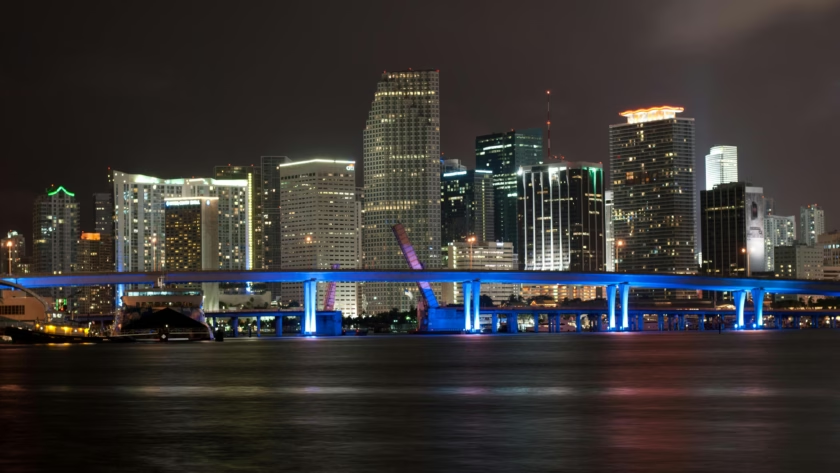
Miami. The name alone evokes sunshine, pristine beaches, vibrant nightlife, and a cosmopolitan energy that attracts over 24 million visitors annually. But alongside those Instagram-worthy moments comes an important practical question: Is Miami expensive?
The straightforward answer is: yes, Miami is expensive. But with strategic planning and insider knowledge, you can experience all that Miami offers without depleting your savings account. In 2026, Miami’s costs have risen moderately from 2025, reflecting national inflation trends and continued demand from domestic and international travelers.
This comprehensive guide breaks down exactly where your money goes, from hotel rates in different neighborhoods to dining costs across various price points, and provides realistic daily budget examples for different traveler types. Whether you’re planning a luxury getaway or a budget beach vacation, this guide will help you understand Miami’s true cost structure and plan accordingly.
- Quick Budget Overview: Daily Costs at a Glance
- Cost of Living Comparison: 2026 US City Rankings
- Hotel & Accommodation Costs: Where the Big Expenses Begin
- Is Miami Expensive for Food and Drinks?
- Transportation: Getting Around Miami on Budget
- Attractions & Activities: What to Do and What It Costs
- 3-Day Miami Trip: Realistic Budget Breakdowns
- 1-Week Miami Vacation: Budget Breakdowns
- Why Is Miami Expensive? Key Factors Driving Costs
- Frequently Asked Questions About Miami Costs
- Money-Saving Strategies: Budgeting Smart in Miami
- Seasonal Cost Variations: When to Visit Miami
- Final Verdict: Is Miami Expensive? And Is It Worth It?
- Recent Articles:
Quick Budget Overview: Daily Costs at a Glance
Before diving into specifics, let’s answer the question right away: is Miami expensive?
The short answer is—it depends. While certain aspects of Miami life can be pricey (especially in high-demand areas like Brickell and South Beach), other factors such as affordable dining options and budget-friendly neighborhoods provide flexibility for both residents and visitors.
In this post, we’ll address a wide range of queries including:
- Is Miami expensive to live?
- Is it expensive to live in Miami Florida?
- How expensive is Miami for tourists?
- Is Miami expensive to vacation?
- Is Miami expensive to eat and drink?
- Is it possible to visit Miami on a budget?
Each section is designed to address these concerns, leveraging current data, comparative analysis, and expert insights.
Before diving into detailed breakdowns, here’s what you can expect to spend per day in Miami in 2026:
- Budget Traveler: $75–120 per day (staying outside South Beach, eating casual, using public transport)
- Mid-Range Traveler: $200–350 per day (comfortable hotel, mix of casual and good dining, some attractions)

Cost of Living Comparison: 2026 US City Rankings
Is Miami more expensive than New York or Los Angeles? To answer this question, we have compared the cost of living in Miami to other US cities:
| City | Cost of Living Index (U.S. Average = 100) |
| New York (Manhattan) | 224.5 |
| San Francisco | 172.8 |
| Los Angeles | 151.2 |
| Boston | 149.6 |
| Miami | 126.4 |
| Chicago | 118.2 |
| Philadelphia | 104.5 |
While Miami is significantly less expensive than New York (roughly 44% cheaper in 2026), it remains a premium destination compared to the national average. Despite the recent cooling of the South Florida housing market, Miami’s higher costs are still heavily felt in luxury housing, private transportation, and high-end dining.
This “lifestyle tax” is most aggressive in tourist-heavy hubs like South Beach, the Design District, and Brickell, where prices for services and entertainment often rival those found in Los Angeles. For travelers and new residents alike, Miami represents a middle ground: more affordable than the “big three” (NYC, SF, LA), but notably pricier than other major regional hubs like Chicago or Philadelphia.
Hotel & Accommodation Costs: Where the Big Expenses Begin
Accommodation represents the largest single expense for most Miami visitors, often consuming 40–55% of total vacation budgets. Hotel prices vary dramatically by neighborhood, season, and property type.
Hotel Prices by Area
| Neighborhood | Budget Hotel | Mid-Range Hotel | Luxury Hotel |
| South Beach | $165–220 | $280–400 | $500–1,200+ |
| Downtown/Brickell | $145–190 | $220–320 | $400–900 |
| Coral Gables | $135–180 | $200–280 | $340–700 |
| Wynwood/Design District | $130–175 | $210–300 | $380–800 |
| Little Havana/Buena Vista | $100–140 | $160–220 | $280–500 |
| Miami International Airport Area | $100–145 | $155–220 | $280–450 |
Key Hotel Cost Insights: South Beach is 40–50% more expensive than inland neighborhoods; the premium pays for beach access and iconic atmosphere. Downtown/Brickell offers better value with urban nightlife and dining. Coral Gables provides upscale, quieter accommodations at lower prices. Little Havana delivers the lowest rates while maintaining authentic Miami culture. Peak season (December–April) adds 35–50% to all hotel rates; shoulder season (May–June, September–November) offers 20–30% savings.
Alternatives to Hotels
For budget-conscious travelers or extended stays, consider:
- Vacation Rentals: Average $130-280/night for apartments
- Hostels: $30-50/night for dorm beds or $90-130 for private rooms
- Home Sharing: $90-160/night for private rooms, $160-320+ for entire homes
While staying in South Beach puts you closest to the iconic beaches, areas like Little Havana, Coconut Grove, and parts of Downtown offer significantly better value without compromising much on convenience.
Is Miami Expensive for Food and Drinks?
Food costs in Miami vary wildly depending on neighborhood and restaurant type. South Beach dining carries significant premiums; eating in Little Havana, Wynwood, or Design District offers better value for equal quality.
| Food Category | Budget Option | Mid-Range | Upscale/Fine Dining |
| Breakfast | $8–13 | $15–25 | $30–50+ |
| Lunch | $10–16 | $18–30 | $40–75+ |
| Casual Dinner | $12–20 | $25–45 | $60–120+ |
| Fine Dining Dinner | N/A | $50–85 | $120–300+ |
| Coffee/Beverage | $3–6 | $5–8 | $8–15 |
| Beer (Bar) | $4–7 | $7–11 | $12–20+ |
| Cocktail | N/A | $12–18 | $18–30+ |
Dining Cost Strategies: Happy hours (typically 4–7 PM) offer 30–50% discounts on drinks and appetizers. Food trucks and street vendors ($8–15 meals) deliver authentic Miami flavors affordably. Little Havana restaurants offer genuine Cuban and Latin cuisine at budget prices ($12–25 for full meals). Lunch is 30–40% cheaper than dinner at the same restaurant. Wynwood and Design District have trendy restaurants with better value than South Beach.
Transportation: Getting Around Miami on Budget
Miami’s car-centric culture means transportation costs can surprise visitors. However, free trolleys, affordable rideshare, and public transit options provide budget alternatives.
| Transportation Option | Cost | Best For |
| Miami Trolley | Free | Downtown & Brickell exploration |
| Metrorail (Single) | $2.50 | Point-to-point transfers |
| Metrobus (Single) | $2.25 | Neighborhood exploration |
| 7-Day Bus/Rail Pass | $35 | Multiple days of exploration |
| Uber/Lyft (Typical 3-Mile) | $12–20 | Late night, longer distances |
| Car Rental (Daily) | $45–90+ | Multi-day excursions (Keys, Everglades) |
| Hotel Parking (Daily) | $25–45 | When renting a vehicle |
Transportation Strategy: Most visitors benefit from a 7-day bus/rail pass ($35) combined with strategic Uber rides for longer distances. Avoid car rentals unless planning Everglades or Keys visits. The free Miami Trolley handles downtown exploration.
For budget travelers, the free Miami Trolley (miamigov.com/trolley) connects many tourist areas, and the Metrorail (miamidade.gov/transit) can be useful for specific destinations.
Attractions & Activities: What to Do and What It Costs
Miami offers both free and paid attractions. The city’s beaches are completely free, but specific experiences carry significant price tags.
| Attraction | Cost | Duration |
| Wynwood Walls (Street Art) | Free (Guided tours: $20–30) | 1–2 hours |
| Little Havana Cultural Tour | Free (Guided tours: $25–45) | 2–3 hours |
| Vizcaya Museum & Gardens | $28 | 2–3 hours |
| Pérez Art Museum Miami | $18 (Free 6–9 PM on Saturdays) | 2–3 hours |
| Miami Seaquarium | $58 | 3–4 hours |
| Everglades Air Boat Tour | $65–95 | 2–3 hours |
| Beach Chair & Umbrella Rental | $20–40/day | All day |
Many museums offer free admission days (typically first Thursdays or Saturdays of the month). The Miami Attractions Month (typically September-October) offers significant discounts on major attractions.
For beach activities, chair and umbrella rentals range from $30-50/day, while water sports like jet skiing ($85-130/hour) and parasailing ($95-160/person) come at premium prices.
3-Day Miami Trip: Realistic Budget Breakdowns
Understanding abstract costs is helpful, but realistic daily spending examples matter most. Here’s what three different Miami trip types actually cost:
BUDGET TRAVELER 3-DAY SCENARIO
Profile: Backpackers, solo travelers, students prioritizing free/low-cost experiences
| Expense Category | Per Day | 3-Day Total |
| Hostel Dorm Room | $35 | $105 |
| Breakfast (Bakery/Café) | $8 | $24 |
| Lunch (Food Truck/Casual) | $12 | $36 |
| Dinner (Casual Restaurant) | $15 | $45 |
| Snacks/Coffee | $5 | $15 |
| Transportation (Metrorail/Bus Passes) | $6 | $18 |
| Attractions (Free + 1 Museum) | $6 | $18 |
| Miscellaneous/Tips | $3 | $9 |
| TOTAL 3-DAY BUDGET | $90 | $270 |
MID-RANGE TRAVELER 3-DAY SCENARIO
Profile: Couples, small families, comfort-seekers enjoying mix of dining and experiences
| Expense Category | Per Day | 3-Day Total |
| Mid-Range Hotel (Wynwood/Brickell) | $145 | $435 |
| Breakfast (Café) | $15 | $45 |
| Lunch (Mid-Range Restaurant) | $25 | $75 |
| Dinner (Nice Restaurant) | $50 | $150 |
| Cocktails/Drinks | $20 | $60 |
| Transportation (Uber + Bus Pass) | $18 | $54 |
| Attractions (2–3 Museums/Activities) | $30 | $90 |
| Miscellaneous/Tips | $12 | $36 |
| TOTAL 3-DAY BUDGET | $315 | $945 |
LUXURY TRAVELER 3-DAY SCENARIO
Profile: Premium accommodations, fine dining, VIP experiences, limited budget constraints
| Expense Category | Per Day | 3-Day Total |
| Luxury Hotel (South Beach 4-5 Star) | $400 | $1,200 |
| Breakfast (Hotel or Upscale Café) | $35 | $105 |
| Lunch (Fine Dining) | $80 | $240 |
| Dinner (Premium Restaurant/Chef’s Table) | $180 | $540 |
| Premium Drinks/Wine | $60 | $180 |
| Taxis/Premium Transportation | $40 | $120 |
| VIP Experiences/Events | $150 | $450 |
| Premium Tips/Miscellaneous | $50 | $150 |
| TOTAL 3-DAY BUDGET | $995 | $2,985 |
1-Week Miami Vacation: Budget Breakdowns
Planning a full week? Seven-day trips often benefit from hotel/accommodation discounts and a more relaxed pace allowing budget optimization.
BUDGET TRAVELER 1-WEEK SCENARIO
| Expense Category | Weekly Total | Per Day Average |
| Hostel Accommodation (7 nights) | $245 | $35 |
| Meals (Breakfast, Lunch, Dinner) | $280 | $40 |
| Snacks/Coffee | $35 | $5 |
| Transportation (7-Day Pass + Casual Uber) | $50 | $7 |
| Attractions (Free + 2–3 Museums) | $70 | $10 |
| Miscellaneous/Tips | $30 | $4 |
| TOTAL 1-WEEK BUDGET | $710 | $101 /day |
MID-RANGE TRAVELER 1-WEEK SCENARIO
| Expense Category | Weekly Total | Per Day Average |
| Mid-Range Hotel (7 nights, off-peak rate) | $980 | $140 |
| Meals (Breakfast, Lunch, Dinner) | $630 | $90 |
| Cocktails/Drinks (Happy Hours + Nightlife) | $140 | $20 |
| Transportation (7-Day Pass + Regular Uber) | $100 | $14 |
| Attractions (3–5 Museums + Activities) | $220 | $31 |
| Miscellaneous/Tips | $90 | $13 |
| TOTAL 1-WEEK BUDGET | $2,160 | $308/day |
LUXURY TRAVELER 1-WEEK SCENARIO
| Expense Category | Weekly Total | Per Day Average |
| Luxury Hotel (7 nights, South Beach 5-Star) | $2,800 | $400 |
| Fine Dining Meals (Breakfast, Lunch, Dinner) | $1,470 | $210 |
| Premium Beverages/Wine Service | $420 | $60 |
| Luxury Transportation (Private Car Service) | $280 | $40 |
| VIP Experiences (Nightclubs, Yachts, Spas) | $1,050 | $150 |
| Premium Tips/Concierge Services | $350 | $50 |
| TOTAL 1-WEEK BUDGET | $6,370 | $910/day |
Why Is Miami Expensive? Key Factors Driving Costs
Miami’s high costs stem from multiple converging factors:
1. Limited Waterfront Supply: Miami is constrained by water (Atlantic Ocean, Biscayne Bay) and protected land (Everglades). This geographic limitation drives premium pricing for beachfront and waterfront properties.
2. International Gateway: Miami serves as North America’s primary gateway to Latin America and the Caribbean, attracting wealthy international investors and business travelers willing to pay premium rates.
3. Weather Year-Round: Consistent warm weather year-round eliminates seasonal variability in demand, unlike northern cities. Prices remain elevated because tourism doesn’t fluctuate dramatically with seasons.
4. Luxury Market Concentration: Miami has become a magnet for ultra-high-net-worth individuals, particularly from Latin America and Europe. This influx drives luxury real estate and hospitality pricing upward.
5. Peak Season Demand: December–April winter months see massive influxes of tourists escaping northern cold. Hotels can 4x their rates during this period without losing occupancy.
6. Limited Public Transportation: Miami’s car-centric infrastructure means visitors often rent vehicles or use expensive rideshare, adding to vacation costs compared to transit-rich cities.
Frequently Asked Questions About Miami Costs
Miami is relatively expensive, with housing costs 44% above the national average and rents typically ranging from $1,800 to $2,500.
Miami’s high costs are driven by limited land, luxury status, and strong global demand, further intensified by recent migration and tourism-based pricing.
No, New York remains approximately 44% more expensive than Miami overall, with Manhattan housing costs nearly double those in Miami’s upscale areas. While Miami’s beachfront luxury market can rival New York prices, the general cost of living in NYC is significantly higher across all major sectors.
Dining and drinks are priciest in South Beach, with $30 cocktails and $150 dinners. For better value, try Little Havana for $12–$25 meals or 4–7 PM happy hours for 50% off.
Miami is the 12th most expensive U.S. city, with costs 23% above the national average. While tourist hubs like South Beach are pricey, you can save by using public transit and enjoying free beaches.
Miami is roughly 17% cheaper than Los Angeles, with housing and rentals costing about 25% less. However, Miami’s hotel and dining prices can rival or exceed LA’s during the peak December–April tourist season.
Miami is about 23% costlier than the U.S. average, with housing 44% higher than national norms. While cheaper than NYC, it’s a top 15 expensive city, with prices doubling during the peak winter season.
Miami is expensive, with median homes at $599,000 and car insurance nearly double the U.S. average. While housing often consumes 30% of income, the lack of state income tax helps offset high costs.
Mid-range travelers should budget $215–$355 daily during the peak winter season when hotel rates range from $300 to $700+. Visiting during the summer “low season” can offer 40–60% savings on accommodations.
South Beach is Miami’s priciest hub, with peak hotels at $400–$800+ and parking up to $45/day. Save by staying in Mid-Beach or North Beach, where rates and dining are significantly cheaper.
Money-Saving Strategies: Budgeting Smart in Miami
Accommodation Hacks
Stay in Wynwood, Design District, or Brickell instead of South Beach—save 30–40% while staying close to attractions. Visit May–June or September–November for 25–35% accommodation discounts. Book 8–12 weeks ahead for peak season rates (15–30% savings). Consider Airbnb for 4+ night stays (15–20% weekly discounts). Some luxury hotels offer 40–50% discounts during summer months (June–August) when tourism drops.
Food & Dining Strategy
Eat lunch as your main meal (30–40% cheaper than dinner at same restaurant). Happy hours (typically 4–7 PM) offer 30–50% discounts. Food trucks and street vendors ($8–15 meals) deliver authentic cuisine cheaply. Shop at Whole Foods Market and public markets for ready-to-eat options ($12–20 meals) versus restaurants ($25–50). Little Havana restaurants serve authentic Cuban food at budget prices ($12–25). Avoid Nyhavn-adjacent Ocean Drive (40–60% markup for location).
Transportation Savings
Use the 7-day transit pass ($35) instead of daily fares. Skip car rentals; use Uber/Lyft strategically instead of taxis. Walk neighborhoods (Wynwood, Design District, Little Havana) to avoid transport costs. Use free Miami Trolley for downtown/Brickell exploration.
Seasonal Cost Variations: When to Visit Miami
- Peak Season (December–April): Hotel rates 3–5x off-season rates; expect $300–600+/night in South Beach. All attractions crowded; dining reservations difficult. Best weather but highest costs.
- Shoulder Season (May–June, September–November): Hotel rates 20–30% below peak; decent weather (warm, occasional rain). Fewer crowds. Best value/experience balance.
- Summer (July–August): Lowest hotel rates ($100–200/night mid-range); extremely hot/humid; frequent afternoon thunderstorms. Less appealing but cheapest.
Final Verdict: Is Miami Expensive? And Is It Worth It?
Yes, Miami is expensive by American standards. Budget travelers should plan $75–120/day, mid-range $200–350/day, and luxury $500+/day. However, Miami’s unique position, tropical weather, international culture, diverse neighborhoods, and access to natural wonders like the Everglades justify its costs for many travelers.
Miami isn’t the most expensive U.S. city (New York, San Francisco cost more), but it’s not budget-friendly either. Strategic planning, visiting during the shoulder season, and staying outside South Beach make Miami accessible to budget travelers.
The key is deciding which Miami experience matters most to you and allocating your budget accordingly. Whether you’re seeking nightlife, beaches, culture, or luxury, Miami can deliver across all price points.
