
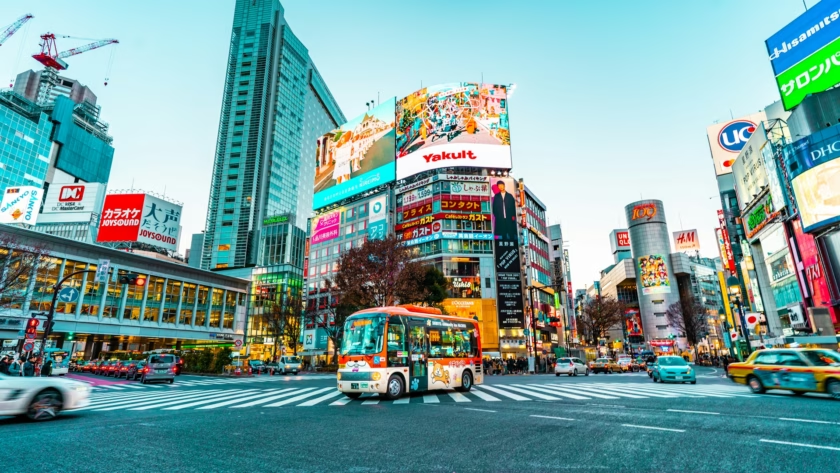
Planning a trip to Japan’s dynamic capital and wondering is Tokyo expensive in 2026? The straightforward answer is: Yes, Tokyo remains expensive compared to most Asian cities, but it offers surprising value in certain categories and is often more affordable than major Western hubs like New York, London, or Paris. As of April 2026, a typical tourist can expect to spend between ¥12,000–¥35,000 (US$75–$220) per day depending on travel style. Budget travelers can manage on roughly ¥12,000 (US$75), mid-range travelers typically spend around ¥22,000 (US$140), and luxury travelers can easily exceed ¥40,000 (US$250) daily.
Tokyo’s reputation as a high-cost destination primarily stems from its premium accommodation and luxury retail sectors. However, for the savvy traveler, Tokyo offers remarkable value in food, public transportation, and cultural attractions. With the Japanese Yen trading at approximately 158–160 JPY to 1 USD in early 2026, international visitors continue to find their purchasing power is stronger than in previous decades. By following the strategic insights in this guide, you can experience Tokyo’s unique blend of futuristic innovation and deep-rooted tradition without overspending.
Tokyo Cost Overview: How Expensive Is Tokyo in 2026?
When asking “how expensive is Tokyo,” it is essential to recognize that costs are highly dependent on your personal travel style. While Tokyo consistently ranks among the world’s most expensive cities for residents due to taxes and long-term costs, tourists can navigate the city quite affordably by choosing local-style dining and efficient transit.
Let’s break down the typical costs you will encounter in Tokyo in 2026:
Accommodation Costs in Tokyo
Is Tokyo expensive to live or stay as a tourist? Accommodation remains one of the largest line items in any Tokyo travel budget. In 2026, hotel rates have stabilized after the post-pandemic surge but remain elevated due to high demand and new luxury hotel taxes in certain wards.
| Accommodation Type | Price Range (per night) | USD Equivalent (Approx.) |
| Capsule hotel | ¥3,500–¥6,500 | $22–$41 |
| Hostel dorm bed | ¥4,000–¥7,000 | $25–$44 |
| Business hotel (e.g., APA, Toyoko Inn) | ¥10,000–¥18,000 | $63–$113 |
| Mid-range hotel | ¥20,000–¥35,000 | $125–$220 |
| Luxury hotel | ¥50,000–¥150,000+ | $315–$940+ |
| Airbnb (entire place) | ¥12,000–¥30,000 | $75–$190 |
Hotel prices in Tokyo have seen a modest increase of about 5-10% compared to 2025, largely driven by inflation in utility costs and labor. The average mid-range hotel price in Tokyo is now approximately ¥25,000 (US$158) per night.
The most expensive districts remain Ginza, Shinjuku, and Marunouchi (near Tokyo Station). For better value, look toward Asakusa, Ueno, or Ikebukuro, where you can find high-quality business hotels at more competitive rates. Capsule hotels continue to be a uniquely Japanese way to save money while staying in central locations.
Food and Drink Costs in Tokyo
Is food expensive in Tokyo? Surprisingly, food is where Tokyo offers some of its best value. The city’s culinary scene is vast, ranging from “one-coin” meals to world-class fine dining.
| Food & Drink | Price Range | USD Equivalent (Approx.) |
| Convenience store meal (Konbini) | ¥500–¥1,000 | $3–$6 |
| Ramen/noodle shop meal | ¥900–¥1,500 | $6–$9 |
| Conveyor belt sushi (Kura/Sushiro) | ¥1,500–¥3,000 | $9–$19 |
| Mid-range restaurant dinner | ¥3,000–¥6,000 | $19–$38 |
| High-end Omakase/Kaiseki | ¥15,000–¥40,000+ | $95–$250+ |
| Vending machine drink | ¥140–¥180 | $1 |
| Coffee at a specialty café | ¥500–¥800 | $3–$5 |
| Local beer at an Izakaya | ¥600–¥900 | $4–$6 |
| Cocktail at a high-end bar | ¥1,500–¥2,500 | $9–$16 |
Budget travelers can eat exceptionally well for ¥1,200–¥1,800 (US$8–$11) per meal at ramen shops, gyudon (beef bowl) chains like Yoshinoya, and standing sushi bars. Many restaurants offer “Teishoku” (set lunches) for ¥1,000–¥1,500, which are significantly cheaper than their dinner counterparts.
Even mid-range dining in Tokyo often provides a level of quality and service that would command double the price in New York or London. The only truly expensive category is high-end dining, particularly exclusive sushi dens and traditional kaiseki restaurants in Ginza or Roppongi.
Public Transportation Costs in Tokyo
Is Tokyo an expensive city to visit for getting around? Public transportation is world-class, punctual, and reasonably priced if you use passes strategically.
| Transportation | Price (2026) | USD Equivalent (Approx.) |
| Metro/subway single journey | ¥180–¥340 | $1.15–$2.15 |
| JR Yamanote Line journey | ¥150–¥220 | $0.95–$1.40 |
| 24-hour Tokyo Subway Ticket | ¥1,000 | $6.30 |
| 72-hour Tokyo Subway Ticket | ¥1,800 | $11.40 |
| Taxi flag fall (first 1.096km) | ¥500 | $3.15 |
| Narita Express (Airport to Tokyo) | ¥3,250 | $20.50 |
| Keisei Skyliner (Narita to Ueno) | ¥2,580 | $16.30 |
| Suica/Pasmo card deposit | ¥500 | $3.15 |
Tokyo’s transit system is highly efficient. For most tourists, the 72-hour Subway Ticket (¥1,800) offers incredible value, allowing unlimited rides on all Tokyo Metro and Toei Subway lines.
Is Uber expensive in Tokyo? Yes, Uber in Tokyo primarily functions as a premium taxi service and is generally more expensive than hailing a standard taxi. Taxis are clean and safe, but a 15-minute ride can easily cost ¥2,500–¥3,500 (US$16–$22). For the best value, stick to the trains and subways, which run until approximately midnight.
Attraction and Entertainment Costs in Tokyo
Is Tokyo expensive for sightseeing? Most cultural attractions are moderately priced, and many of the best experiences are free.
| Attractions & Activities | Price (2026) | USD Equivalent (Approx.) |
| Tokyo Skytree (Combo Ticket) | ¥3,100–¥4,000 | $20–$25 |
| Tokyo Tower (Main Deck) | ¥1,200 | $7.60 |
| Senso-ji Temple | Free | $0 |
| Meiji Shrine | Free | $0 |
| Tokyo National Museum | ¥1,000 | $6.30 |
| Ghibli Museum (Requires booking) | ¥1,000 | $6.30 |
| teamLab Borderless/Planets | ¥3,800–¥4,200 | $24–$27 |
| Tokyo Disneyland/DisneySea | ¥8,400–¥10,900 | $53–$69 |
| Shibuya Sky (Online booking) | ¥2,200–¥2,500 | $14–$16 |
Tokyo offers a fantastic mix of free and paid sights. You can spend days exploring historic temples, lush gardens like Yoyogi Park, and vibrant neighborhoods like Harajuku or Akihabara without spending a yen on admission. Major museums and galleries are very affordable compared to their European or American counterparts.
Theme parks and immersive digital art installations like teamLab are the most expensive category, but they offer world-unique experiences that most travelers find well worth the cost.
Is Tokyo Expensive Compared to Other Global Cities?
To put Tokyo’s 2026 costs in perspective and to answer ‘is Tokyo expensive’, let’s compare the average daily mid-range budget with other major global destinations:
| City | Average Daily Cost (Mid-range 2026) |
| Tokyo | US$140–$220 |
| New York | US$280–$400 |
| London | US$250–$350 |
| Paris | US$230–$320 |
| Singapore | US$200–$280 |
| Seoul | US$140–$200 |
| Taipei | US$110–$160 |
| Bangkok | US$90–$140 |
In 2026, Tokyo remains a “sweet spot” for many travelers. It provides the infrastructure and safety of a top-tier global city but at a daily cost that is often 30-40% lower than New York or London, thanks largely to the favorable exchange rate and the lack of a tipping culture in Japan.
Is Japan Expensive to Visit? Tokyo vs. Other Japanese Cities
When considering “is Japan expensive to visit,” Tokyo is undoubtedly the peak of the pricing pyramid. However, the price gap between Tokyo and other cities has narrowed as tourism spreads across the country.
| City | Accommodation | Food | Transportation | Overall Cost |
| Tokyo | ★★★★★ | ★★★☆☆ | ★★★☆☆ | ★★★★☆ |
| Kyoto | ★★★★☆ | ★★★★☆ | ★★★☆☆ | ★★★★☆ |
| Osaka | ★★★☆☆ | ★★★☆☆ | ★★★☆☆ | ★★★☆☆ |
| Fukuoka | ★★★☆☆ | ★★☆☆☆ | ★★☆☆☆ | ★★★☆☆ |
| Rural Japan | ★★☆☆☆ | ★★☆☆☆ | ★★★★☆ | ★★☆☆☆ |
(★ = Cost level, with more stars indicating higher costs)
While Tokyo has the highest hotel prices, Kyoto can sometimes be more expensive for dining and local transport during peak seasons like Cherry Blossom (Sakura) or Autumn Leaves. Osaka remains the “Kitchen of Japan,” offering incredible food at slightly lower prices than Tokyo.
Trip to Japan Cost: Budgeting for Your 2026 Visit
Planning a trip to Japan and wondering about the total cost? Here’s a breakdown of what you might spend for a one-week visit to Tokyo and the surrounding areas in 2026:
| Expense Category | Budget (7 days) | Mid-range (7 days) | Luxury (7 days) |
| Flights (from US/EU) | $900–$1,400 | $1,400–$2,200 | $4,000–$12,000+ |
| Accommodation | $200–$350 | $900–$1,600 | $2,500–$7,000+ |
| Food & Drink | $200–$300 | $450–$700 | $1,000–$2,500+ |
| Transportation | $80–$120 | $180–$300 | $400–$900 |
| Attractions | $80–$150 | $250–$450 | $500–$1,000 |
| Shopping/Misc | $150–$250 | $400–$800 | $1,000–$3,000+ |
| Total (excl. flights) | $710–$1,170 | $2,180–$3,850 | $5,400–$14,400+ |
These figures show that a one-week trip to Japan can cost approximately $1,600-2,400 for budget travelers (including flights), $3,500-6,000 for mid-range travelers, and $9,500+ for luxury travelers.
The average cost of food in Japan for tourists ranges from $30-40 per day for budget travelers to $65-80 per day for mid-range travelers and $120-300+ per day for luxury travelers.
How Much Does It Cost to Go to Japan for a Week?
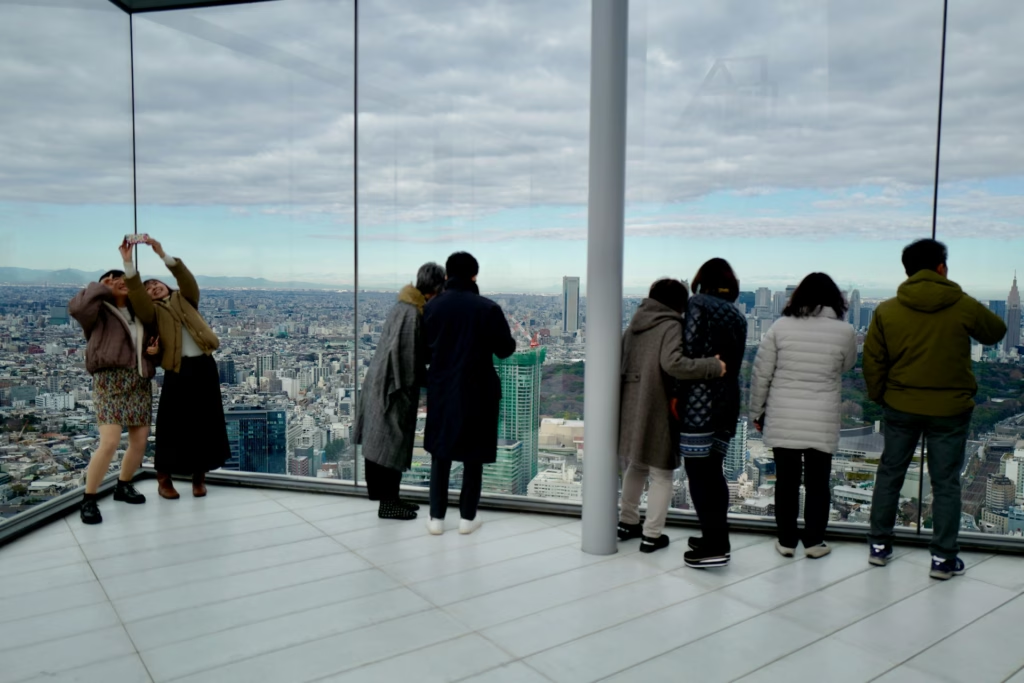
For those specifically wondering “how much does it cost to go to Japan for a week,” here is a closer look at the three main travel tiers in 2026:
Budget Traveler ($1,600–$2,500 total including flights)
- Flights: $900–$1,400 (Economy, booked 4-6 months in advance).
- Accommodation: $30–$50/night (Hostels or capsule hotels).
- Food: $30–$40/day (Konbini meals, beef bowls, and supermarket discounts after 8 PM).
- Transport: $12/day (Using the 72-hour subway pass and walking).
- Activities: $15/day (Mostly free shrines, parks, and one major paid landmark).
Mid-Range Traveler ($3,500–$6,000 total including flights)
- Flights: $1,400–$2,200 (Economy or Premium Economy).
- Accommodation: $130–$230/night (Business hotels or 3-star boutique hotels).
- Food: $65–$100/day (Mix of casual eateries, one nice dinner, and café stops).
- Transport: $25–$40/day (Subways plus occasional day trips to Kamakura or Hakone).
- Activities: $40–$65/day (teamLab, Disney, and several museum entries).
Luxury Traveler ($10,000+ total including flights)
- Flights: $4,000–$12,000 (Business or First Class).
- Accommodation: $400–$1,000+/night (5-star hotels like the Aman, Park Hyatt, or Ritz-Carlton).
- Food: $150–$350+/day (Michelin-starred sushi, kaiseki, and high-end hotel bars).
- Transport: $60–$130/day (Private transfers, Green Car Shinkansen, and taxis).
- Activities: $100+/day (Private guided tours and exclusive cultural experiences).
Japan Vacation Cost: Saving Money in Tokyo
Concerned about your Japan vacation cost? Here are the best strategies to make your 2026 Tokyo trip more affordable:
Accommodation Savings
- Business Hotels: Chains like Dormy Inn, Super Hotel, and Richmond Hotel offer incredible value, often including free breakfast or even a public bath (onsen) for under $100.
- Location Strategy: Stay along the Yamanote Line but slightly outside the main hubs. Areas like Nishi-Nippori or Otsuka are much cheaper than Shinjuku but only 10-15 minutes away by train.
- Off-Season Travel: Visit in January, February, or June. You will avoid the massive price spikes of the Cherry Blossom (late March) and Autumn Foliage (November) seasons.
Food and Drink Savings
- The “Konbini” Lifestyle: Japanese convenience stores (7-Eleven, Lawson, FamilyMart) offer high-quality meals like onigiri, bento boxes, and fried chicken for a fraction of restaurant prices.
- Lunch Specials: Eat your biggest meal at midday. Many high-end restaurants offer lunch sets for 30-50% less than their dinner menu.
- Department Store Basements (Depachika): Visit the food halls of stores like Isetan or Mitsukoshi an hour before closing for deep discounts on premium bento boxes and sushi.
Transportation Savings
- IC Cards: Use a Welcome Suica or Pasmo Passport (digital versions available on iPhone/Android) to avoid the hassle of buying individual tickets and to get small fare discounts.
- Subway Passes: If you plan to visit 3 or more spots in a day, the Tokyo Subway Ticket (24/48/72 hours) is almost always cheaper than paying per ride.
- Avoid Taxis: Tokyo has one of the best night bus and train networks in the world. Taxis should be a last resort or for short distances with a group of four.
PRO TIP: Book luggage storage in Tokyo with Radical Storage to explore the city hands-free. Don’t let heavy bags slow you down or force you into expensive taxis, drop them at a local “Angel” and enjoy your final day in Tokyo for just a few dollars.
Cost of Trip to Japan: Seasonal Variations in 2026
The timing of your visit is the single biggest factor in the cost of trip to Japan:
| Season | Price Level | Notes |
| Cherry Blossom (Late Mar–Early Apr) | Highest | Peak global demand; hotels must be booked 6+ months in advance. |
| Golden Week (Late Apr–Early May) | Very High | Domestic travel peak; trains and hotels are packed and expensive. |
| Summer (July–August) | High | School holidays and festivals; very hot and humid. |
| Autumn Foliage (November) | High | Extremely popular for scenic beauty; high hotel rates. |
| Winter (Jan–Feb, excl. New Year) | Lowest | Best deals on flights and hotels; great for skiing or onsens. |
| New Year (Dec 28–Jan 4) | Very High | Many businesses close; shrines are crowded; travel costs spike. |
For the best combination of reasonable prices and decent weather, visit during late May-June or October. The absolute cheapest time is January-February (excluding New Year), but expect colder temperatures.
Is Tokyo Expensive to Live? Cost of Living Context
While this guide focuses on travelers, the cost of living in Tokyo for residents provides useful context. In 2026, a single person living in central Tokyo typically needs around ¥165,000 (US$1,050) per month excluding rent to maintain a comfortable lifestyle. Rent for a modest one-bedroom apartment in a central ward like Minato or Shibuya ranges from ¥100,000–¥180,000 (US$630–$1,140).
These figures highlight why Tokyo is perceived as expensive; however, for a visitor, the lack of hidden costs (like tipping or high sales tax) and the efficiency of public services make the “sticker price” much more transparent and manageable than in many other global cities.
Conclusion: Is Tokyo Expensive? The 2026 Verdict
So, is Tokyo expensive in 2026? The verdict is that while Tokyo is a premium destination, it is no longer the prohibitively expensive “black hole” for budgets that it was in the 1990s. It offers a spectrum of pricing that allows it to be whatever you need it to be: a budget-friendly backpacker’s haven, a mid-range cultural playground, or a world-class luxury escape.
The city’s true value lies in its consistency. Whether you are spending $5 on a bowl of ramen or $500 on a multi-course feast, the quality, cleanliness, and service are likely to exceed your expectations. By choosing your “splurges” wisely, perhaps a night in a high-end ryokan or a ticket to a major theme park, and saving on the basics like transport and casual meals, you can enjoy one of the world’s most fascinating cities on a very reasonable budget.
Tokyo in 2026 remains a must-visit destination that proves you don’t need a fortune to experience the future of travel. Plan ahead, use the right passes, and get ready to discover that Tokyo is as affordable as it is unforgettable.
