
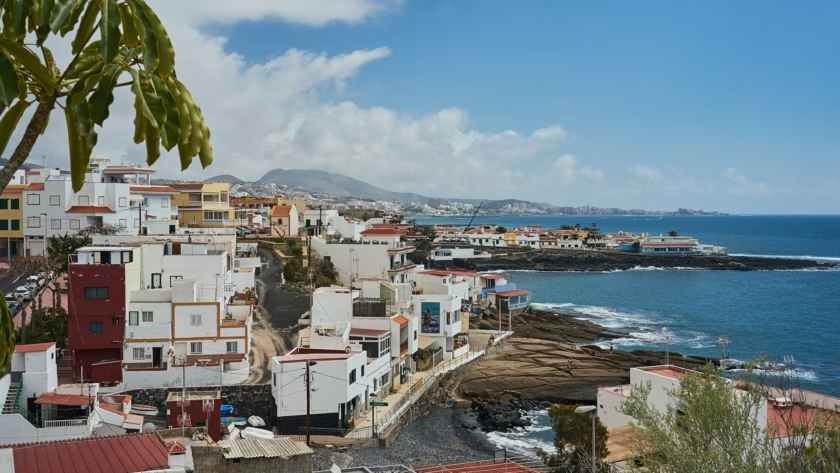
Tenerife, the largest of Spain’s Canary Islands, continues to attract millions of visitors in 2026 with its year-round sunshine, diverse landscapes, and vibrant tourist infrastructure. As travelers plan their visits, questions about costs frequently arise, especially with the evolving economic landscape. Is Tenerife expensive to visit? Shortly: Tenerife offers a mixed price landscape, with the southern tourist areas being moderately expensive (€110-160 daily for a couple) while northern regions provide better value.
The island presents an interesting cost paradox – while some visitors find it surprisingly affordable, others consider certain aspects quite expensive. This variation stems largely from Tenerife’s dual nature: the developed southern resort areas command premium prices, while the more authentic northern regions offer significantly better value.
In this comprehensive guide, we’ll break down Tenerife’s costs across all major categories, compare prices to other popular destinations, and provide practical advice for travelers on any budget. Whether you’re planning a luxury resort stay or a budget-friendly adventure, you’ll discover exactly what to expect from Tenerife’s prices in 2026.
Is Tenerife Expensive Compared to Other European Destinations?
When evaluating how expensive is Tenerife, it’s helpful to compare it with other popular European vacation destinations. This comparison reveals that Tenerife generally falls in the mid-range price category, offering better value than many Mediterranean hotspots while being somewhat pricier than Eastern European destinations.
| Destination | Budget Hotel | Mid-range Hotel | Meal (Inexpensive) | Meal (Mid-range) | Local Beer | Daily Budget (Couple) |
|---|---|---|---|---|---|---|
| Tenerife (South) | €55-85 | €100-180 | €12-18 | €30-50 | €2.50-4 | €110-160 |
| Tenerife (North) | €40-70 | €80-140 | €10-15 | €25-40 | €2-3 | €90-140 |
| Mallorca | €65-100 | €110-200 | €15-22 | €35-55 | €3.50-5 | €140-210 |
| Costa del Sol | €55-90 | €100-180 | €12-20 | €30-50 | €3-4.50 | €120-180 |
| Algarve (Portugal) | €50-85 | €95-170 | €11-16 | €28-42 | €2.50-3.50 | €100-160 |
| Greek Islands | €55-95 | €110-200 | €12-18 | €30-50 | €3.50-5 | €120-190 |
| Croatia (Coast) | €60-110 | €120-220 | €15-22 | €35-55 | €3.50-5.50 | €140-220 |
| Turkey (Resorts) | €40-75 | €85-150 | €9-15 | €20-40 | €2.50-4 | €85-140 |
As this comparison demonstrates, Tenerife, particularly the northern region, offers competitive pricing compared to similar sun destinations. While not as inexpensive as some Turkish resorts, it generally provides better value than destinations like Mallorca, coastal Croatia, or the Greek islands.
Why Is Tenerife So Expensive in Some Areas?
Several factors contribute to the higher prices found in certain parts of Tenerife:
Tourism Concentration in the South: The southern region of Tenerife, including popular areas like Playa de las Américas, Los Cristianos, and Costa Adeje, has been developed specifically for mass tourism. This concentration of visitors creates higher demand and subsequently higher prices for accommodation, dining, and activities.
Resort Pricing Models: Many southern establishments operate on a resort pricing model, where convenience comes at a premium. Restaurants, shops, and services within or near major resorts typically charge 20-30% more than equivalent businesses in local areas.
Seasonal Price Fluctuations: During high season (December-April and June-August), prices across Tenerife can increase by 30-50%, particularly for accommodation. This seasonal inflation significantly impacts the perception of Tenerife as expensive.
Limited Competition in Certain Sectors: Some services, particularly car rental, have limited competition due to the island’s geography and business environment, leading to higher prices than mainland Spain.
Why Is Tenerife So Cheap in Other Areas?
Despite the expensive reputation of some regions, other parts of Tenerife offer surprising affordability:
North-South Divide: Northern Tenerife, including areas like Puerto de la Cruz, La Orotava, and Santa Cruz, caters more to local residents and Spanish tourists. Prices here can be 20-40% lower than in the south for equivalent quality.
Local Economy Factors: The Canary Islands have a lower cost of living than mainland Spain, with reduced VAT (IGIC at 7% instead of 21%) and lower property costs, allowing businesses in non-tourist areas to operate with smaller margins.
Off-Season Value: During shoulder seasons (May, September-November), prices drop significantly while weather remains excellent, offering exceptional value compared to other European destinations.
Competitive Food and Beverage Market: Local competition keeps food and drink prices reasonable, particularly in areas frequented by residents rather than tourists.
This price dichotomy explains why travelers report such varied experiences regarding Tenerife’s expense level—your perception will largely depend on which part of the island you visit and when you travel.
How Expensive Is Tenerife for Accommodation?
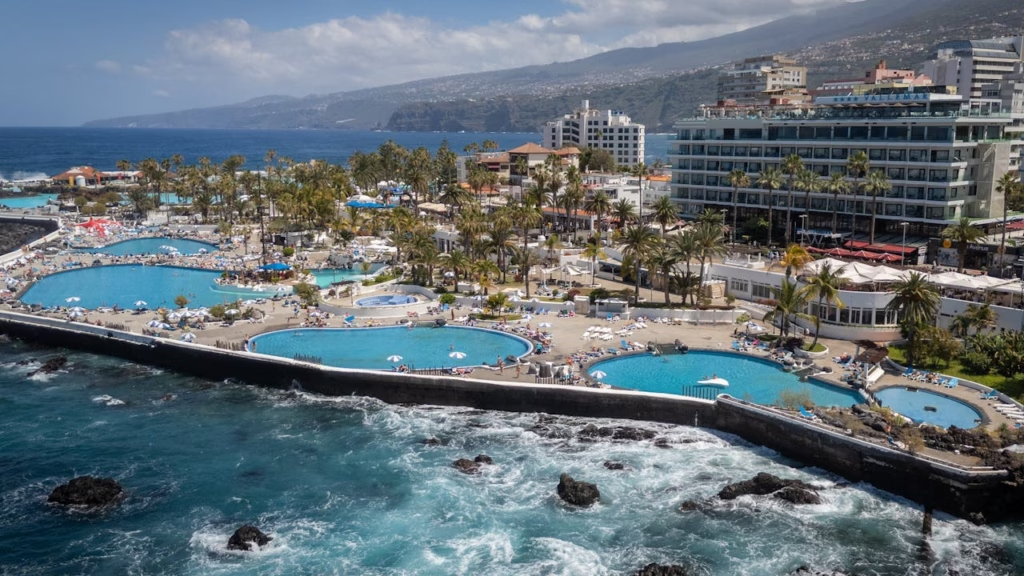
Accommodation typically represents the largest expense for visitors to Tenerife, with prices varying dramatically based on location, property type, and season. Understanding these variations can help you budget effectively and find the best value for your needs.
Hotel and Resort Prices in Tenerife
Tenerife offers a wide spectrum of accommodation options, from budget-friendly hostels to ultra-luxury resorts. Here’s what you can expect to pay across different categories in 2026:
| Accommodation Type | South Tenerife (High Season) | South Tenerife (Low Season) | North Tenerife (High Season) | North Tenerife (Low Season) |
|---|---|---|---|---|
| Budget (1-2★) | €65-100 | €40-65 | €50-85 | €35-55 |
| Mid-range (3★) | €110-190 | €75-120 | €85-140 | €65-100 |
| Upscale (4★) | €180-300 | €110-190 | €140-240 | €95-160 |
| Luxury (5★) | €300-600+ | €180-350 | €240-450 | €150-300 |
The most expensive areas for accommodation in Tenerife include:
- Costa Adeje (particularly the area around Playa del Duque)
- Los Cristianos beachfront
- Golf resorts in the south (Las Américas, Golf del Sur)
- El Médano during windsurfing season
More affordable areas that still offer good amenities include:
- Puerto de la Cruz in the north
- Los Gigantes on the western coast
- Santa Cruz (the capital city)
- La Laguna (especially for longer stays)
It’s worth noting that many hotels in Tenerife have implemented a tourism tax in 2026, which adds approximately €1.50-4 per person per night, depending on the hotel category. This is typically not included in the advertised room rate.
Apartment and Airbnb Costs in Tenerife
Self-catering apartments and vacation rentals have become increasingly popular in Tenerife, often offering more space and amenities than similarly priced hotels. In 2026, typical prices are:
| Property Type | South Tenerife (High Season) | South Tenerife (Low Season) | North Tenerife (High Season) | North Tenerife (Low Season) |
|---|---|---|---|---|
| Studio/1-bedroom | €85-140/night | €55-95/night | €65-110/night | €45-80/night |
| 2-bedroom | €120-220/night | €85-140/night | €100-170/night | €75-120/night |
| 3-bedroom | €180-300/night | €120-220/night | €150-240/night | €110-180/night |
| Luxury villa | €350-900+/night | €250-600/night | €300-700/night | €220-450/night |
Prices can vary by 30-50% between high and low seasons, with significant premiums for properties with ocean views or in prime locations. Properties with private pools typically command a 20-40% premium over comparable properties without pools.
For longer stays of a week or more, many hosts offer discounts of 10-20%, making apartments particularly economical for extended visits. Additionally, having access to kitchen facilities can help reduce your food expenses.
Is Tenerife Expensive to Eat and Drink?

Food and beverage costs in Tenerife offer some of the best value in Western Europe, provided you know where to look. Is food expensive in Tenerife? Generally, no, the island’s unique tax status and local agricultural production keep grocery and dining prices very competitive.
Restaurant Prices in Tenerife
Dining out in Tenerife can range from very affordable local meals to high-end international cuisine. Here’s a breakdown of typical restaurant costs in 2026:
| Dining Category | Price Range (Per Person) |
|---|---|
| Budget (Tapas, local bars) | €10-18 |
| Mid-range (3-course meal) | €25-45 |
| Upscale (Fine dining) | €50-100+ |
| Local Beer (0.5L) | €2.50-4.50 |
| Glass of House Wine | €3-5 |
| Soft Drink/Water | €2-3.50 |
| Coffee (Cortado/Café con leche) | €1.50-2.50 |
For budget-conscious travelers, several affordable options exist:
Menu del Día: Many local restaurants offer a fixed-price lunch menu (menu del día) for €9-13, typically including a starter, main course, dessert, and drink. These represent excellent value and are popular with locals.
Tapas and Small Plates: Canarian tapas bars offer small plates ranging from €4-9, allowing you to sample various dishes without spending much.
Local Fast Food: Canarian alternatives to international fast food include bocadillos (filled baguettes) for €4-6 and papas arrugadas con mojo (wrinkled potatoes with sauce) for €5-7.
Tourist-centric areas like Playa de las Américas, Los Cristianos, and Costa Adeje generally charge 20-30% more than equivalent establishments in more residential neighborhoods or northern towns. Restaurants with ocean views or in prime locations command the highest premiums, often 40-50% more than similar quality venues without the view.
Is it expensive in Tenerife to eat out every night? In the south, tourist-oriented restaurants often have higher prices for lower quality. To find the best value, look for “Guachinches” traditional, rustic eateries primarily in the north that serve local wine and home-cooked Canarian dishes at incredibly low prices (often €12-18 for a full meal).
Grocery and Supermarket Costs
For those staying in self-catering accommodation, supermarkets offer excellent value. Major chains like Mercadona, HiperDino, and Lidl provide a wide range of products at prices often lower than in mainland Europe.
| Grocery Item | Average Price (2026) |
|---|---|
| Milk (1L) | €1.10 |
| Loaf of Bread | €1.20 |
| Eggs (12) | €2.80 |
| Local Cheese (1kg) | €10-14 |
| Chicken Breast (1kg) | €8-11 |
| Bottle of Mid-range Wine | €5-9 |
| Local Beer (0.33L can) | €0.80-1.20 |
| Water (1.5L bottle) | €0.60-0.90 |
Tenerife Beer Prices
Beer is particularly affordable in Tenerife compared to many European destinations, making it a popular choice for visitors:
| Beer Type | Local Bar | Tourist Bar | Restaurant | Supermarket |
|---|---|---|---|---|
| Local Draft (caña, 200ml) | €1.00-1.50 | €1.50-2.50 | €2.00-3.00 | N/A |
| Local Draft (pint) | €2.00-2.50 | €2.50-3.50 | €3.00-4.50 | N/A |
| Imported Beer (bottle) | €2.50-3.50 | €3.50-5.00 | €4.00-6.00 | €1.00-2.00 |
| Six-pack (supermarket) | N/A | N/A | N/A | €3.50-6.00 |
Is Tenerife Expensive for Transportation?
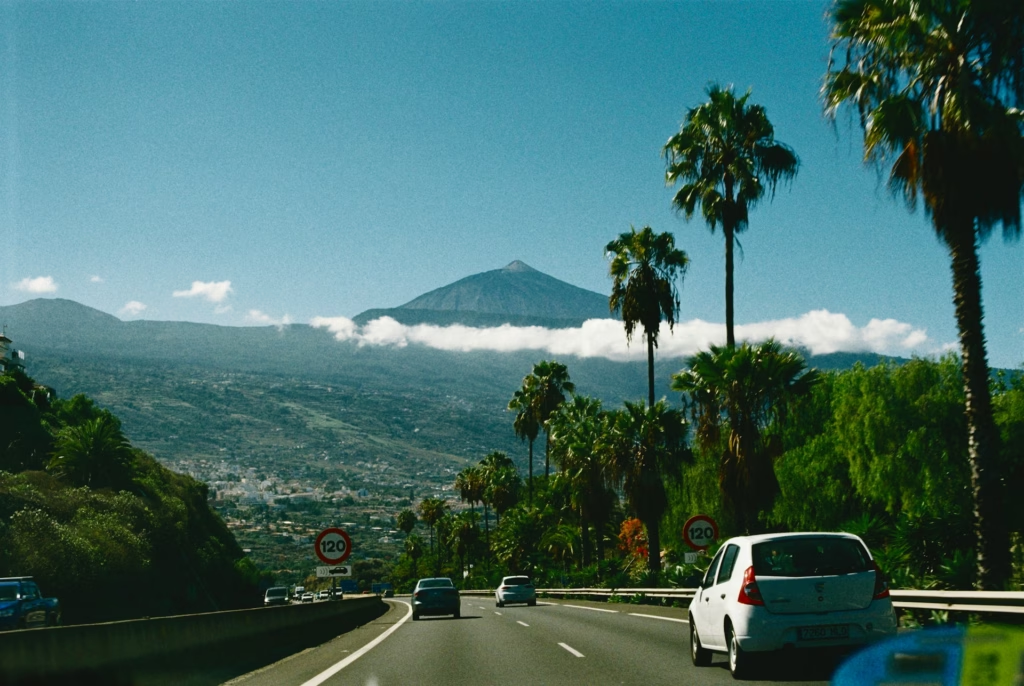
Getting around Tenerife represents a significant part of most visitors’ budgets, with transportation options ranging from rental cars to public buses. Understanding these costs can help you plan more effectively and potentially save money during your stay.
Public Transport (TITSA Bus Network)
Tenerife has an excellent bus network operated by TITSA. In a major move for 2026, the government has extended free public transport for residents, and while tourists still pay, fares remain very reasonable.
- Single Fares: Typically €1.50-6.00 depending on distance.
- Ten+ Card: Offers significant discounts on standard fares.
- Day Pass: €10 for unlimited travel across the island.
- 7-Day Pass: €50 for unlimited travel.
Taxis and Ride-Sharing
Taxis in Tenerife are metered and generally cheaper than in major European cities.
- Airport to Los Cristianos/Las Américas: €30-40.
- Airport to Puerto de la Cruz: €90-110.
- Short city trips: €6-12.
Car Rental Costs
Why is car hire in Tenerife so expensive in 2026? While it remains the best way to see the island, you should budget €300-450 per week for a small to mid-sized car with full insurance. Booking several months in advance is essential to secure the best rates.
Car rental is the most popular transportation option for tourists in Tenerife, offering the freedom to explore the island’s diverse landscapes. However, many visitors are surprised by the cost, especially when comparing to mainland Spain or other European destinations.
Here’s what you can expect to pay for car rentals in Tenerife in 2026:
| Car Category | Low Season (Daily) | High Season (Daily) | Weekly (Low Season) | Weekly (High Season) |
|---|---|---|---|---|
| Economy | €14–€28 | €35–€60 | €98–€160 | €210–€380 |
| Compact | €25–€45 | €50–€80 | €150–€260 | €320–€520 |
| Mid-size | €35–€65 | €75–€110 | €210–€400 | €480–€700 |
| SUV/Premium | €55–€110 | €110–€180+ | €340–€680 | €700–€1,100+ |
These rates typically include basic insurance but not full coverage. Fuel costs in Tenerife are relatively high compared to mainland Spain, with gasoline priced at approximately €1.30–€1.45 per liter (about €4.90–€5.50 per gallon) in 2026.
To find better car rental deals in Tenerife:
- Book well in advance (3+ months) for high season visits
- Consider local companies like PlusCar, AutoReisen, or Cicar instead of international chains
- Look for packages that include all insurance and have a fair fuel policy
- Rent for a full week to access lower weekly rates
- Consider picking up from off-airport locations to avoid airport surcharges
Public Transportation Costs in Tenerife
For those who prefer not to drive or are looking to save money, Tenerife offers a reasonably priced public transportation network:
| Transportation Type | Single Ticket | Day Pass | Multi-Day Options |
|---|---|---|---|
| TITSA Bus (Urban) | €1.50-2.50 | €5-7 | 10-trip ticket: €12-15 |
| TITSA Bus (Intercity) | €3-15 (distance-based) | N/A | N/A |
| Tram (Santa Cruz-La Laguna) | €1.35 | €4.50 | 10-trip ticket: €10 |
| Tourist Bus (Hop-on-Hop-off) | N/A | €22-27 | 48-hour: €30-35 |
The TITSA bus network covers the entire island, with frequent service between major towns and tourist areas. The green buses primarily serve local routes, while the blue buses connect different regions of the island. For the best value, purchase a reloadable “Ten+” card (€2 initial cost) which provides approximately 20% discount on all bus fares.
The tram system is limited to the Santa Cruz-La Laguna corridor but offers an efficient way to explore these two cities.
Airport Transfers and Getting Around
For airport transfers and point-to-point transportation, several options exist:
| Transfer Type | South Airport to South Resorts | South Airport to North | North Airport to North Resorts |
|---|---|---|---|
| Public Bus | €3.20-4.50 per person | €9.30-15.00 per person | €1.50-4.50 per person |
| Shuttle Bus | €7-10 per person | €15-25 per person | €5-10 per person |
| Taxi | €25-35 total | €80-100 total | €20-30 total |
| Private Transfer | €35-50 total | €90-120 total | €30-45 total |
Taxis in Tenerife operate on a metered system with regulated rates. While not cheap, they’re more affordable than in many European destinations. Typical taxi fares include:
- Flag drop: €3.15
- Per kilometer: €0.85-1.05 (varies day/night)
- Waiting time: €19.55 per hour
- Minimum fare: €3.65
Is Tenerife Expensive for Activities and Attractions?

While accommodation, food, and transportation form the core of most travel budgets, activities and attractions can significantly impact your overall spending in Tenerife. The island offers a diverse range of experiences across various price points.
Popular Paid Attractions in Tenerife
Tenerife’s most famous attractions have seen moderate price increases in 2026, though they remain competitive compared to similar experiences in other European destinations:
| Attraction | Adult Price | Child Price | Family Package |
|---|---|---|---|
| Siam Park (water park) | €45 | €32 | €142 (2 adults + 2 children) |
| Loro Parque (zoo) | €45 | €32 | €142 (2 adults + 2 children) |
| Mount Teide Cable Car | €42 (return) | €21 (return) | N/A |
| Jungle Park | €35 | €29 | €112 (2 adults + 2 children) |
| Aqualand | €36 | €29 | €116 (2 adults + 2 children) |
| Whale Watching Boat Trip | €30–€75 | €20–€50 | Varies by operator |
| Submarine Safari | €65 | €40 | €195 (2 adults + 2 children) |
Combination tickets offer better value for those planning to visit multiple attractions. For example, the Twin Ticket for Siam Park and Loro Parque costs €78 for adults and €57 for children, representing a saving of approximately 13% compared to purchasing separate tickets.
Free and Low-Cost Activities in Tenerife
Despite the premium prices for major attractions, Tenerife offers numerous free or inexpensive activities:
Natural Attractions (Free):
- Beaches (Playa de Las Teresitas, Playa Jardín, El Médano)
- Hiking trails in Anaga Rural Park and Teno Rural Park
- Natural pools (Bajamar, Garachico)
- Viewpoints (Mirador de la Paz, Mirador de Humboldt)
- Botanical gardens in Puerto de la Cruz (€3-5 entry)
Cultural Experiences (Free or Low-Cost):
- Historic centers of La Laguna and La Orotava
- Local markets (Mercado de Nuestra Señora de África in Santa Cruz)
- Museums on free days (many state museums offer free entry on Sundays)
- Festivals and local celebrations (depending on timing)
- Church visits (including the Basilica of Candelaria)
Outdoor Activities (Low-Cost):
- Snorkeling from beaches (equipment rental: €6-12)
- Self-guided walking tours (free with downloadable maps)
- Public tennis courts and sports facilities (€6-18 per hour)
- Stargazing at designated viewpoints (free)
- Picnicking in recreational areas (free)
Is It Expensive to Live in Tenerife?
While most visitors experience Tenerife as a vacation destination, the island is also home to a growing expatriate community attracted by its climate, lifestyle, and relatively affordable cost of living. For those considering a longer stay or even relocation, understanding the ongoing costs is essential.
Is Tenerife Expensive to Live Compared to Mainland Spain?
Tenerife generally offers a lower cost of living than many parts of mainland Spain, particularly compared to major cities like Madrid, Barcelona, or Valencia. Several factors contribute to this difference:
| Expense Category | Tenerife | Mainland Spain (Average) | Savings in Tenerife |
|---|---|---|---|
| Housing (Monthly rent, 1-bedroom) | €550–€750 | €750–€1,100 | 25–35% |
| Utilities (Elec, water, etc.) | €100–€150 | €130–€190 | 15–20% |
| Groceries (Monthly, single person) | €220–€320 | €260–€380 | 10–15% |
| Dining Out (Mid-range restaurant) | €25–€35 | €35–€50 | 20–30% |
| Transportation (Monthly pass) | €40–€50 | €50–€75 | 20–30% |
| Healthcare (Private insurance) | €55–€110 | €75–€130 | 15–20% |
The Canary Islands benefit from a special economic zone status within Spain, resulting in:
Lower VAT: The Canary Islands apply IGIC (Impuesto General Indirecto Canario) instead of VAT, at rates of 0-7% compared to mainland Spain’s 21% standard VAT rate.
Reduced Fuel Taxes: Gasoline and diesel are typically 15-20% cheaper than on the mainland.
Tax Incentives: Certain tax advantages exist for residents and businesses, though these primarily benefit companies rather than individuals.
However, some items are more expensive due to import costs:
- Imported foods and specialty products
- Electronics and appliances
- Luxury goods
- Certain building materials
Cost of Living Breakdown for Expats
For expatriates considering a move to Tenerife in 2026, here’s a detailed monthly budget breakdown:
Housing Costs
- Studio apartment (non-tourist area): €450-600
- 1-bedroom apartment (non-tourist area): €550-750
- 2-bedroom apartment (non-tourist area): €750-1,000
- 3-bedroom house/villa: €1,100-1,800+
- Utilities (electricity, water, internet): €100-150
- Property taxes: Relatively low, typically €200-500 annually
Housing in tourist areas can cost 30-50% more than equivalent properties in residential neighborhoods. The northern part of the island generally offers better value than the south for long-term accommodation.
Daily Living Expenses
- Groceries (monthly, single person): €220-320
- Groceries (monthly, couple): €400-550
- Dining out (8 times monthly): €200-300
- Coffee shop visits: €30-60
- Local transportation: €40-50
- Healthcare insurance: €55-110 (basic private coverage)
- Mobile phone/internet: €40-70
- Entertainment/leisure: €100-200
According to Numbeo’s cost of living data, a single person can live comfortably in Tenerife for approximately €1,300-1,900 per month, while a couple might need €2,000-2,800.. These figures exclude rent, which varies significantly based on location and property type.
Is it expensive to live in Tenerife? Compared to Northern European countries, the United States, or even mainland Spanish cities, Tenerife offers an affordable lifestyle with significantly lower housing costs and day-to-day expenses. However, salaries on the island are also lower than in these locations, with the average monthly salary around €1,600-1,900, making it important for remote workers or retirees to have external income sources.
Is Tenerife Expensive for Different Types of Travelers?
The cost of visiting Tenerife varies significantly depending on your travel style, preferences, and expectations. Let’s break down what different types of travelers can expect to spend on this popular Canary Island in 2026.
Budget Traveler Costs in Tenerife (€55-80/day)
For budget-conscious backpackers and students, Tenerife offers good value compared to many European destinations. With careful planning, you can enjoy the island on as little as €55-80 per day.
A typical budget traveler’s daily expenses in Tenerife might look like:
| Expense Category | Daily Cost | Budget Options |
|---|---|---|
| Accommodation | €20-35 | Hostel dorm bed, budget guesthouse, shared Airbnb |
| Food | €20–30 | Self-catering, street food, menu del día |
| Transportation | €5–10 | Public buses, shared rides |
| Activities | €5–10 | Free beaches, hiking, occasional paid attraction |
| Extras | €5–10 | Coffee, small souvenirs, occasional drink |
| Total | €55–85 |
Budget travelers can maximize their experience by:
- Staying in Puerto de la Cruz or Santa Cruz rather than southern resorts
- Visiting during shoulder seasons (May, October-November)
- Using the efficient public bus system instead of renting a car
- Taking advantage of free natural attractions like beaches and hiking trails
- Self-catering most meals and seeking out local menu del día offers
Even on this limited budget, you can experience Tenerife’s highlights by being selective about which paid attractions to visit and prioritizing free activities like hiking in Anaga Rural Park or enjoying the island’s numerous beaches.
Mid-Range Travel Costs (€120-180/day)
Mid-range travelers can enjoy a comfortable, fulfilling experience in Tenerife for approximately €120-180 per day per person. This budget allows for better accommodations, regular restaurant meals, and access to most attractions without constant cost concerns.
A typical mid-range budget breaks down as:
| Expense Category | Daily Cost | Mid-Range Options |
|---|---|---|
| Accommodation | €60–100 | 3-star hotel, nice Airbnb apartment |
| Food | €40–60 | Mix of self-catering and restaurants |
| Transportation | €20–35 | Car rental (shared cost) or public transport |
| Activities | €20–35 | Major attractions, occasional tours |
| Extras | €15–25 | Drinks, shopping, entertainment |
| Total | €155–255 |
At this spending level, you’ll experience a comfortable, authentic visit without major compromises. You can stay in pleasant accommodations in areas like Los Cristianos or Costa Adeje, dine at quality restaurants several times during your trip, visit major attractions like Siam Park or Mount Teide, and perhaps take a whale watching tour or boat excursion.
Luxury Travel Expenses (€300+/day)
For those seeking premium experiences, Tenerife offers excellent value compared to other European luxury destinations. Luxury travelers can expect to spend €310-600+ per day per person, though this can increase substantially depending on accommodation choices and activities.
A luxury budget in Tenerife typically includes:
| Expense Category | Daily Cost | Luxury Options |
|---|---|---|
| Accommodation | €180–400+ | 4-5 star hotel, luxury villa |
| Food | €80–150+ | Fine dining, premium restaurants |
| Transportation | €55–100+ | Private car rental, taxis |
| Activities | €70–150+ | Private tours, premium experiences |
| Extras | €40–70+ | High-end shopping, spa treatments |
| Total | €425–€870+ |
Luxury travelers can enjoy Tenerife’s finest hotels in Costa Adeje or El Duque, dine at acclaimed restaurants, take private guided tours of Mount Teide or the Anaga mountains, and perhaps add exclusive experiences like private yacht charters or helicopter tours.
Even at the luxury level, Tenerife offers exceptional value compared to destinations like the French Riviera, Amalfi Coast, or Santorini. A comparable luxury experience in these locations would typically cost 30-50% more.
Is Tenerife expensive for different types of travelers? The answer varies significantly based on your travel style. Budget travelers will find Tenerife quite affordable compared to most Western European destinations, with excellent low-cost food options and reasonable accommodation if you avoid prime tourist areas. Mid-range travelers get particularly good value, with comfortable experiences at moderate prices. Even luxury travelers benefit from Tenerife’s generally lower price point compared to premium destinations in mainland Europe.
Money-Saving Tips: Is Tenerife Expensive If You Plan Carefully?
While Tenerife can be as expensive or affordable as you make it, strategic planning can significantly reduce your costs without compromising your experience. These practical tips will help you enjoy everything the island has to offer while keeping your budget in check.
Best Time to Visit Tenerife for Lower Prices
Timing your visit strategically can have a major impact on how expensive Tenerife is for your trip:
Low season (May and October-November) offers the best value, with accommodation prices 30-40% lower than peak season rates while still providing excellent weather (average temperatures 20-25°C/68-77°F). These shoulder months combine good weather with fewer crowds and lower prices across most services.
High season periods to avoid for budget travelers include:
- December to February (especially Christmas and New Year)
- Easter week
- July and August
During these peak periods, not only do prices increase significantly, but attractions become crowded and reservations more difficult to secure.
Local festivals like Carnival (February/March) and local fiestas can also drive up prices in specific areas, though they offer unique cultural experiences that may justify the premium.
Accommodation Saving Strategies
Accommodation will likely be your largest expense in Tenerife, but several strategies can help reduce these costs:
- Location matters: Staying in Puerto de la Cruz (north) instead of Costa Adeje or Los Cristianos (south) can save 20-30% on equivalent accommodation.
- Apartment rentals often provide better value than hotels for stays longer than 3-4 days, especially when factoring in the ability to self-cater some meals.
- Book well in advance for high season visits (3-6 months ahead) or look for last-minute deals in low season.
- Negotiate longer stays: Many property owners offer significant discounts (20-30%) for bookings of 2+ weeks.
- Consider all-inclusive carefully – these can represent good value if you plan to spend most time at your resort, but may not be economical if you’ll be exploring the island regularly.
Food and Drink Budget Tips
Food costs in Tenerife can be remarkably affordable if you know where and how to eat:
- Embrace the “menu del día”: These fixed-price lunch specials (€8-15) typically include three courses and a drink, offering exceptional value at traditional restaurants.
- Eat where locals eat: Restaurants even just one or two streets away from major tourist areas often charge 20-30% less while serving more authentic food.
- Shop at local supermarkets: Mercadona and Lidl offer good value for self-catering, while local markets provide fresh produce at reasonable prices.
- Look for “happy hour” specials: Many bars offer 2-for-1 drinks or discounted prices between 4-7 PM.
- Water strategies: Tap water is generally safe in Tenerife, though many locals and visitors prefer bottled water. Buy large bottles from supermarkets (€1.00–€1.25 for 5-8 liters) rather than small bottles from convenience stores.
Transportation Savings
Transportation costs can add up quickly in Tenerife, but several strategies can help minimize this expense:
- Consider car rental alternatives: If you’re staying in one area and only plan a few excursions, using public transportation and the occasional taxi may be more economical than renting a car.
- Book car rentals early: Securing your rental 3+ months in advance can save 30-50%, especially during peak season.
- Fuel efficiency: Given Tenerife’s mountainous terrain, choose a car with good fuel efficiency, as fuel costs are relatively high on the island.
- Bus passes: If using public transportation frequently, invest in a Ten+ travel card for discounted fares.
- Airport transfers: Pre-book shared shuttle services rather than taking taxis from the airport for savings of 40-60%.
If you need to store luggage between accommodations or before flights, Radical Storage offers convenient luggage storage options in Tenerife at affordable rates, which can save you from paying for an extra night’s accommodation just to store your bags.
Is Tenerife expensive if you implement these money-saving strategies? With thoughtful planning, Tenerife can be one of Europe’s more affordable island destinations. By timing your visit strategically, choosing accommodations wisely, eating like a local, and taking advantage of discounts and free opportunities, you can enjoy this beautiful island without breaking your budget.
Conclusion: Is Tenerife Expensive in 2026?
After examining Tenerife’s costs across various categories and traveler types, we can provide a nuanced answer to the question: Is Tenerife expensive?
In 2026, Tenerife remains one of the most versatile and value-driven destinations in Europe. While certain costs like car hire and southern resorts have seen increases, the island’s unique tax status, affordable local dining, and wealth of free natural attractions ensure it stays accessible for all budgets.
Whether you’re looking for a high-end luxury escape in Costa Adeje or a budget-friendly hiking adventure in the Anaga mountains, Tenerife delivers an experience that justifies its cost. By planning ahead and venturing beyond the main tourist strips, you can enjoy everything this “Island of Eternal Spring” has to offer without breaking the bank.
For the most up-to-date information on costs and activities, we recommend checking the Tenerife Tourism Official Website before your trip.
For accurate transportation information, refer to the TITSA Bus official website, which provides current fares and schedules for all public transportation options.
To verify current cost of living data that’s regularly updated with current prices across various categories, you can refer to Numbeo’s Tenerife cost of living index.
For detailed travel cost data that can help with trip budgeting, check out Budget Your Trip’s Tenerife page.
If you’re planning to explore different parts of the island and need a place to store your luggage between accommodations or before flights, Radical Storage offers convenient luggage storage options in Tenerife at affordable rates.
