
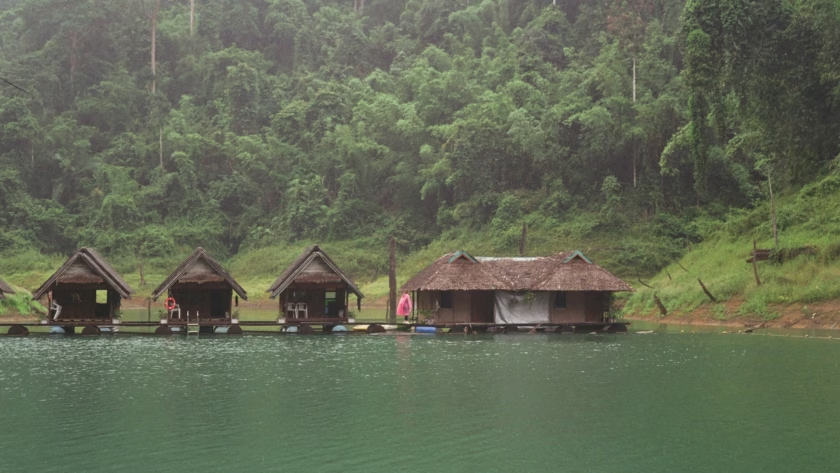
Thailand is Southeast Asia’s most accessible and rewarding destination, offering pristine beaches, ancient temples, vibrant cities, and world-class cuisine all within a budget-friendly package. This comprehensive Thailand travel guide covers everything from planning your Thailand itinerary to calculating daily costs, finding the best islands, and timing your visit perfectly.
Whether you’re a first-time traveler or returning for more, this Thailand guide provides honest, practical advice for navigating Bangkok’s chaos, island-hopping through the Andaman Sea, and experiencing authentic local culture. We’ve included detailed information on where to go in Thailand, how much is a trip to Thailand costs, and insider travel tips that will make your journey unforgettable.
Best Time to Visit Thailand
Let’s have a look at the best times to visit Thailand in this comprehensive Thailand travel guide:
High Season (November to February)
The best time to visit Thailand is during the cool, dry season from November through February. Temperatures range from 20–30°C (68–86°F), offering comfortable weather for exploring temples, islands, and cities without the intense heat or rainfall.
During high season, you’ll experience clear skies, calm seas for island visits, and perfect conditions for water activities. However, expect larger crowds and higher accommodation prices, especially during December holidays and Chinese New Year.
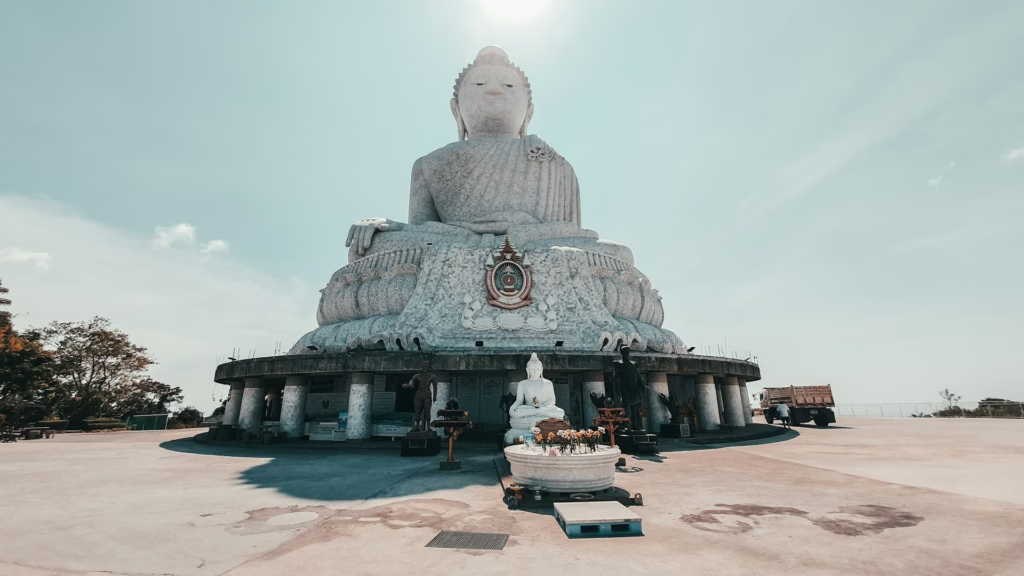
Shoulder Season (March & April)
March and April mark the hot but dry transition period. Temperatures climb to 35–40°C (95–104°F), which is intense but manageable if you stay hydrated and plan activities for early mornings or evenings. Tourism drops compared to high season, and hotel prices fall 20–30%.
April brings Songkran, Thailand’s vibrant water festival, with street celebrations, temple blessings, and water fights that transform cities into joyful chaos. This is an unmissable cultural experience.
Monsoon Season (May to October)
May through October is the rainy season across Thailand, with afternoon downpours and occasional flooding in some regions. However, rain rarely lasts all day, and mornings are often clear. This season offers massive discounts (30–50% off accommodation), fewer tourists, lush green landscapes, and unique travel experiences.
The islands remain visitable, though some activities (diving, speedboat tours) become riskier during peak monsoon months (September-October). Budget travelers and those seeking authentic experiences often prefer this season.
| Season | Best For | Temperature | Crowds | Price |
|---|---|---|---|---|
| High Season (Nov–Feb) | Perfect weather, holidays, island hopping | 20–30°C | High | $$$ |
| Shoulder Season (Mar–Apr) | Hot but dry, festivals, budget savings | 35–40°C | Moderate | $$ |
| Monsoon (May–Oct) | Budget travel, green scenery, authentic experiences | 25–32°C | Low | $ |
Thailand Islands Guide: Choosing Your Perfect Beaches
Thailand boasts over 1,400 islands, offering everything from party hotspots to untouched nature reserves. Here’s your complete Thailand islands guide to choosing the right destination.
Most Popular Islands
Phuket
Phuket is Thailand’s largest island and the most developed beach destination. It offers a full range of accommodations, restaurants, nightlife, and water activities. Patong Beach is lively and touristy; Kata and Karon beaches are more relaxed. Phuket serves as a hub for island-hopping tours to nearby destinations.
Best for: All traveler types; families; first-time visitors Accommodation range: $15–$100+ per night Crowds: Very high Vibe: Touristy, modern, convenient
Krabi
Krabi’s dramatic limestone cliffs, emerald waters, and white sand beaches make it Thailand’s most scenic region. Ao Nang is the main beach town; nearby islands like Phi Phi and Railay are legendary. Rock climbing, island tours, and snorkeling are major activities.
Best for: Adventure seekers; photographers; beach lovers Accommodation range: $12–$80 per night Crowds: High Vibe: Scenic, adventure-focused, Instagram-worthy
Koh Samui
Koh Samui blends nightlife, luxury resorts, and natural beauty. Chaweng Beach offers party vibes and water sports; Lamai is more relaxed; quieter beaches like Mae Nam and Bophut attract calm seekers.
Best for: Luxury travelers; nightlife enthusiasts; water sports fans Accommodation range: $20–$150+ per night Crowds: High Vibe: Resort-oriented, upscale, party-friendly
Koh Tao
Koh Tao is Southeast Asia’s cheapest diving destination, with world-class coral reefs accessible from shore. Accommodation and food are budget-friendly, attracting backpackers and scuba certification seekers.
Best for: Divers; budget backpackers; underwater enthusiasts Accommodation range: $8–$40 per night Crowds: Moderate Vibe: Backpacker-focused, diving-centric, laid-back
Phuket’s Neighbor Islands (Similan Islands, Phi Phi Islands)
Phi Phi Islands are famous for Maya Bay and pristine waters, though increasingly crowded. Similan Islands are Thailand’s best diving spot, accessible via day trips or liveaboard boats.
Best for: Divers; island hoppers; Instagram enthusiasts Crowds: Very high (especially Phi Phi) Day trip cost: $25–$60 per person
Underrated Island Gems
Koh Chang – Thailand’s second-largest island offers jungles, waterfalls, and quiet beaches with a fraction of Phuket’s crowds. Perfect for nature lovers and those seeking authentic Thailand.
Koh Lanta – A laid-back island with slow travel vibes, local fishing villages, and pristine snorkeling. Ideal for travelers wanting to escape tourist circuits.
Koh Phangan – Famous for Full Moon Party, but the island offers quiet beaches, natural hot springs, and genuine local culture away from party zones.
Thailand Itinerary: 7 Days in Thailand & Beyond
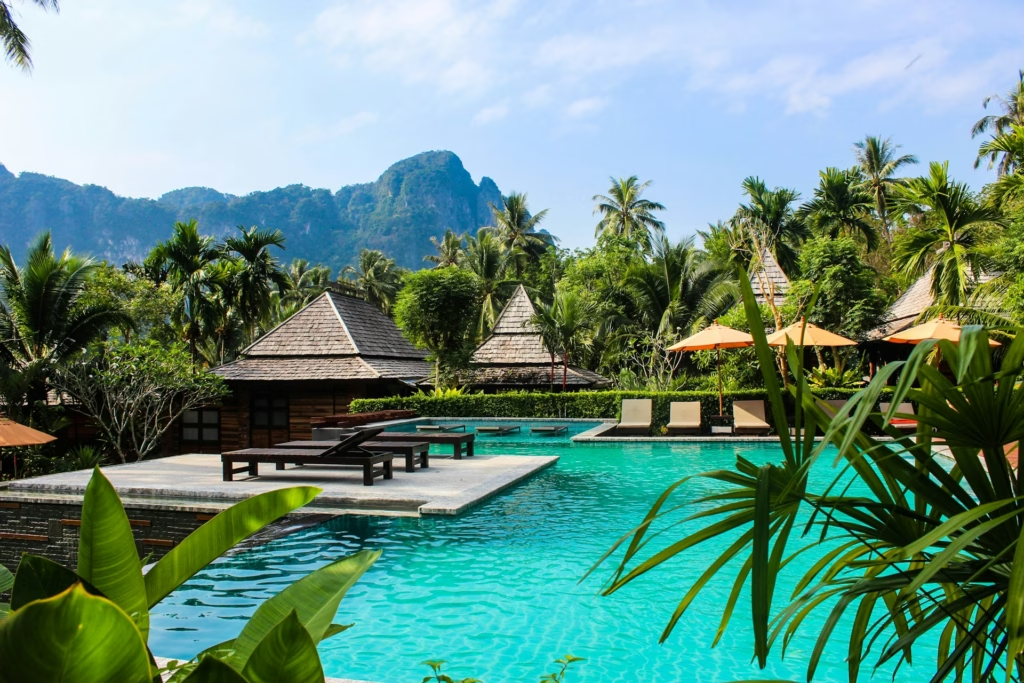
7 Days in Thailand: Classic Route
Day 1-2: Bangkok
Arrive and acclimate to Bangkok’s energy. Visit the Grand Palace (one of the world’s most magnificent temples), Wat Pho, and the Chao Phraya River. Explore Chinatown (Yaowarat) for street food, night markets for souvenirs, and take a longtail boat through floating markets at dawn.
Budget: $30–$50 per day Accommodation: $12–$40 per night Must-do: Grand Palace tour, floating market, street food crawl
Day 3-4: Ayutthaya or Chiang Mai (Choose One)
Ayutthaya: Ancient capital 90 minutes north of Bangkok. Explore 400-year-old temples, sunken palaces, and take a longtail boat through waterways. Day trip from Bangkok possible but overnight is better.
Chiang Mai: Thailand’s cultural heart in the North. Visit Old City temples, hike to waterfalls, experience elephant sanctuaries, and explore night markets. Very budget-friendly and deeply authentic.
Budget: $20–$40 per day Accommodation: $10–$30 per night
Day 5-7: Islands (Phuket, Krabi, or Koh Samui)
Fly to your chosen island for beach relaxation, snorkeling, island tours, and sunset swims. Most island stays are 2–3 days minimum. Book island-hopping day tours while based on one island.
Budget: $25–$60 per day (food + activities) Accommodation: $15–$60 per night Popular activity: Island tour ($15–$30), snorkeling, sunset dinner
Extended Thailand Itinerary: 10–14 Days
Days 1-2: Bangkok Days 3-4: Ayutthaya + return to Bangkok Days 5-6: Chiang Mai (temples, hill tribe trek, night market) Days 7-8: Return to Bangkok, transfer to Krabi Days 9-11: Krabi + island hopping (Phi Phi, James Bond Island, Railay) Days 12-14: Koh Samui or Koh Tao for relaxation
Where to Go in Thailand: Cities & Regions
Bangkok (Central Thailand)
Bangkok, the capital, is a sensory overload of temples, street food, shopping malls, and traffic chaos. It’s a cultural, culinary, and transportation hub where most visitors begin their Thailand journey.
Must-see: Grand Palace, Wat Pho, Wat Saket, Chao Phraya River boat tours, floating markets, Chinatown Best for: Culture, food, shopping, nightlife Weather: Hot year-round; slightly cooler Nov-Feb Days needed: 2–3 days Getting there: Suvarnabhumi or Don Mueang International Airport
Northern Thailand (Chiang Mai, Chiang Rai)
The North is Thailand’s cultural heartland, known for ancient temples, hill tribe villages, and lush mountains. Chiang Mai offers a slower pace than Bangkok, with lower costs and authentic experiences.
Chiang Mai highlights: Doi Suthep temple, Sunday walking street market, elephant sanctuaries, cooking classes, night bazaar Best for: Culture immersion, nature, budget travelers, meditation retreats Days needed: 3–5 days Getting there: Flight from Bangkok (2 hours), bus (9–10 hours)
Central Thailand (Ayutthaya, Kanchanaburi)
Ayutthaya was Thailand’s ancient capital and remains a UNESCO World Heritage site with hundreds of temples, ruins, and palaces. Kanchanaburi is famous for the Bridge over the River Kwai and natural attractions.
Best for: History buffs, day trips from Bangkok, nature lovers (Kanchanaburi) Days needed: 1–2 days each
Southern Thailand (Phuket, Krabi, Phuket, Koh Samui)
The South is Thailand’s beach and island paradise. Phuket is the main hub for diving and island tours. Krabi offers dramatic scenery. The islands provide relaxation, water sports, and nightlife.
Best for: Beach lovers, water sports, island hopping, luxury resorts, diving Best islands: Phuket, Krabi, Koh Samui, Koh Tao, Phi Phi Islands Days needed: 4–7 days
Thailand Daily Budget: How Much Is a Trip to Thailand
Understanding daily costs helps you plan how much is a trip to Thailand and choose accommodations and activities accordingly. Here’s a realistic Thailand travel guide and daily budget breakdown by traveler type:
Budget Backpacker ($20–$35/day)
- Accommodation: $6–$12/night (dorm beds, basic guesthouses)
- Food: $5–$10/day (street food, local noodle shops, markets)
- Activities: $2–$5/day (temples often free or $2–$5 entry)
- Transport: $2–$5/day (buses, local trains, taxis)
- Total daily: $20–$35/day
Budget travel example: Backpacker stays in dorm, eats at food stalls and night markets, uses public buses, visits free temples and markets.
Mid-Range Traveler ($40–$75/day)
- Accommodation: $15–$35/night (mid-range hotels, private guesthouse rooms)
- Food: $10–$20/day (casual restaurants, mix of local and Western food)
- Activities: $10–$20/day (island tours, paid tours, scuba certification)
- Transport: $5–$10/day (occasional taxis, trains, internal flights)
- Total daily: $40–$75/day
Mid-range travel example: Mix of private rooms and hotels, mix of street food and restaurants, island tours, organized day trips.
Comfort Traveler ($100–$200+/day)
- Accommodation: $50–$120+/night (upscale hotels, boutique resorts)
- Food: $25–$50/day (restaurants, some fine dining)
- Activities: $30–$60/day (private tours, water sports, spa treatments)
- Transport: $10–$25/day (taxis, private drivers, internal flights)
- Total daily: $100–$200+/day
Luxury travel example: Upscale hotels, restaurants and beachfront dining, private island tours, spa days, hired drivers.
How Much Is a Trip to Thailand? Total Cost Examples
| Trip Length | Budget Traveler | Mid-Range | Comfort |
|---|---|---|---|
| 7 days | $140–$245 | $280–$525 | $700–$1,400+ |
| 10 days | $200–$350 | $400–$750 | $1,000–$2,000+ |
| 14 days | $280–$490 | $560–$1,050 | $1,400–$2,800+ |
Note: Does not include international airfare ($400–$1,200 depending on origin). Internal transport and accommodation dominate costs.
Money-Saving Tips for Thailand
- Eat at street stalls and night markets – A full meal costs $1–$3; restaurants charge $3–$8 for the same food
- Use public transport – Buses, trains, and songthaews (shared taxis) are cheap; avoid taxis unless splitting costs
- Stay in guesthouses and hostels – Private guesthouse rooms cost $10–$20/night; hotels cost 2–3x more
- Visit temples early morning – Many are free; those charging entry ($2–$5) are still incredibly cheap
- Book day tours in person – Booking directly in town saves 20–40% versus online pre-booking
- Travel during shoulder/monsoon season – Accommodation prices drop 30–50% May–October
- Use Thailand’s Bangkok Airways – Internal flights are surprisingly affordable ($30–$60) and beat long bus rides
- Skip Phi Phi Islands – Overpriced and crowded; visit Koh Lanta or Koh Chang instead for better value
- Learn basic Thai phrases – Locals reward effort with better prices and friendlier service
Also read: Is Thailand Expensive? Your Complete 2026 Travel Budget Guide
Thailand Travel Guide: Transport & Logistics
Domestic Flights
Thailand has extensive domestic flight routes connecting Bangkok, Chiang Mai, Phuket, and other major cities. Budget airlines like Nok Air and Thai AirAsia offer flights for $20–$80, making flying often cheaper than overnight bus travel.
Best for: Long distances (Bangkok to Chiang Mai, Phuket) Cost: $25–$100 depending on distance Booking: Book 1–2 weeks ahead via Skyscanner, Agoda, or directly with airlines
Long-Distance Buses
Thailand’s bus network is comprehensive, reliable, and cheap. VIP buses include sleeper berths, meals, and air conditioning. Standard buses are cramped but work for short distances.
Best for: Budget travelers, shorter distances, experiencing local culture
Cost: $5–$30 depending on distance and comfort level
Routes: Bangkok–Chiang Mai ($10–$20, 9–10 hours), Bangkok–Phuket ($10–$25, 12 hours)
Booking: Book at stations or online via 12go.asia
Trains
Thailand’s State Railway offers scenic, slow-paced travel through rural areas. Trains are romantic and social but much slower than buses. Sleeper cars are comfortable and include meals.
Best for: Scenic travel, overnight journeys, experiencing rural Thailand Cost: $15–$40 for overnight sleeper berths Popular routes: Bangkok–Chiang Mai (13–17 hours), Bangkok–Phuket (12–18 hours)
Local Transport: Tuk-Tuks, Songthaews, and Taxis
Within cities and towns, tuk-tuks (three-wheeled auto-rickshaws) are iconic and cheap ($1–$3 per trip). Songthaews (shared minibuses) are even cheaper. Meters on official taxis prevent overcharging; Grab and Uber are available in Bangkok, Chiang Mai, and Phuket.
Cost: Tuk-tuk $1–$3; songthaew $0.50–$2; metered taxi $1–$5 Best practice: Agree on prices before entering tuk-tuks without meters; use Grab for transparent pricing
Ferries and Longtail Boats
Island-hopping requires ferries or speedboats. Regular ferries are cheap and social; speedboats are faster. Longtail boats are traditional wooden boats used for tours and transport.
Cost: Ferry $3–$15; speedboat $10–$30; longtail boat tours $20–$50 Best for: Island hopping, sightseeing tours, reaching smaller islands
Thailand Travel Tips: Expert Advice for Visitors
Visa and Documentation
Most visitors (US, UK, Canadian, Australian passports) get 30 days visa-free entry to Thailand. Tourist visas (60 days) are available from Thai embassies. E-Visas can be obtained online.
Pro tip: Extend your stay at Thai immigration offices for $10–$20 rather than leaving and returning.
Currency and Money
Thailand’s currency is the Thai Baht (฿ or THB). Exchange rates fluctuate around 30–35 Baht per US Dollar.
Money tips:
- ATMs are everywhere; withdraw money as needed
- Credit cards are accepted in hotels and restaurants; cash dominates street food and markets
- Currency exchange at banks is better than money changers
- Bring US Dollars as a backup; exchange rates are poor for other currencies
Language and Communication
Thai is the official language, but English is widely spoken in tourist areas, hotels, and restaurants. In rural areas, basic Thai phrases are helpful.
Useful phrases:
- Sawasdee krap (hello—men), Sawasdee ka (hello—women)
- Khop khun krap/ka (thank you)
- Chai (yes), Mai (no)
- Bao roi? (How much?)
- Download Google Translate offline for emergencies
Respect and Cultural Etiquette
Thailand is predominantly Buddhist, and respect for the monarchy is paramount.
Cultural do’s and don’ts:
- ✓ Remove shoes before entering temples and homes
- ✓ Sit respectfully when in the presence of monk statues or images of the King
- ✓ Dress modestly (covered shoulders and knees) in temples
- ✗ Don’t point feet at Buddha images or people
- ✗ Don’t touch anyone’s head or pass items over their head
- ✗ Don’t disrespect images of the King (currency, posters)—it’s illegal
- ✗ Don’t raise your voice or get angry in public; Thai culture values calm
Health and Safety
Thailand is generally safe, but common traveler issues include:
Health precautions:
- Drink bottled or boiled water (tap water isn’t safe)
- Get travel insurance covering medical evacuation
- Vaccinations recommended: Hepatitis A, Typhoid, Japanese Encephalitis (optional), Tetanus booster
- Dengue fever is present; use insect repellent
- Healthcare in Bangkok is excellent; smaller towns have basic clinics
Safety tips:
- Pickpocketing occurs in crowded markets and on public transport
- Avoid overly friendly strangers offering gem deals or tours
- Nighttime transport is generally safe; use Grab instead of flagging taxis
- Political demonstrations can occur; avoid large gatherings
Food Safety and Dining
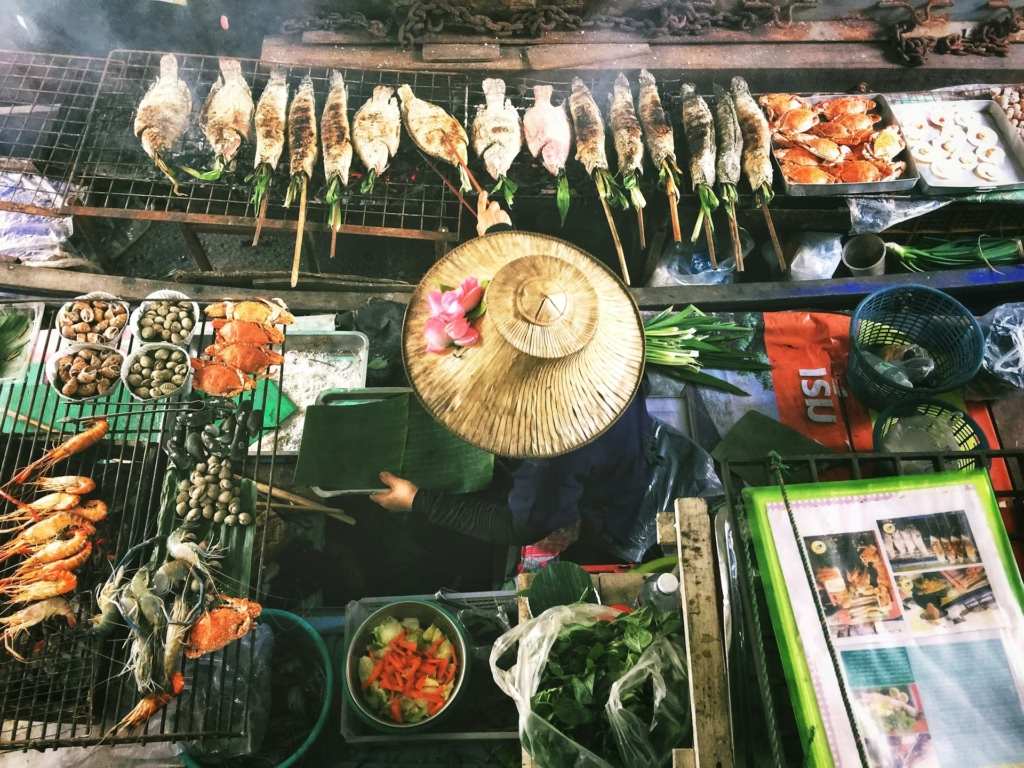
Thai street food is incredibly delicious and safe if purchased from busy stalls with high turnover. Cooked-to-order food from hot woks is safest.
Street food safety:
- Eat where locals eat (busy stalls)
- Watch your food being prepared
- Avoid raw or undercooked meat
- Peeled fruit and cooked vegetables are safe
- Ice may be questionable in some areas; drink bottled water
Restaurant dining:
- Cheap local restaurants ($1–$3 per meal) are authentic and safe
- Avoid “tourist traps” with laminated picture menus
- Bring cash or confirm card acceptance before ordering
Photography and Respect
Thailand is incredibly photogenic, but remember:
Photography etiquette:
- Ask permission before photographing monks or locals
- Don’t photograph inside certain temple areas
- Sunset spots (Phong Nha caves, Temple sunset points) get extremely crowded; arrive early
- Respect “no photography” signs in temples
What to Pack for Thailand
Essentials
- Light, breathable clothing: Cotton or moisture-wicking fabrics
- Swimsuit and reef-safe sunscreen: Thailand’s sun is intense
- Comfortable walking shoes: For temples and urban exploration
- Lightweight rain jacket: Monsoon season brings afternoon showers
- Universal power adapter: Thailand uses Type A and Type B plugs
- Medications: Painkillers, antibiotics, anti-diarrheal medicine
- Lightweight backpack or daypack: For daily excursions
Temple Appropriate Clothing
- Sarongs or lightweight pants: For temple visits (shoulders and knees covered)
- Lightweight scarf: For wrapping around shoulders in air-conditioned temples
- Flip-flops or sandals: Easy to remove when entering temple grounds
Optional but Recommended
- Insect repellent: DEET-based for mosquito protection
- Waterproof phone case: For beach and water activities
- Earplugs: For noisy guesthouses and overnight buses
- Quick-dry towel: Hostels don’t always provide these
- Portable charger: Long days of exploring drain phone batteries
- Travel insurance documents: Keep digital and physical copies
What NOT to Bring
- Heavy jeans or winter clothing (unnecessary and space-consuming)
- Expensive jewelry or watches (attracts thieves)
- More than two pairs of shoes (laundry services are cheap)
- Prescription glasses as your only pair (get backups)
Cultural Insights & Local Etiquette
The Thai Wai
The traditional Thai greeting is the “wai”—a bow with hands pressed together. You’ll see this at temples, in formal settings, and among locals. Return the gesture with similar respect; the higher the hands, the more respect shown.
Sanuk and Sabai
Thai culture emphasizes “sanuk” (finding fun in everything) and “sabai” (taking it easy, comfort). Thais value relaxation and joy over stress and punctuality. Adopt this mindset, and Thailand becomes infinitely more enjoyable.
Bargaining
Bargaining is expected in markets and with tuk-tuks but not in restaurants or shops with posted prices. Friendly negotiation is part of the culture; aggressive bargaining is disrespectful.
Bargaining tips:
- Start at 50–70% of the asking price
- Smile and be friendly throughout
- Walk away if prices aren’t reasonable (vendors often call you back)
- Bargain only if you’re genuinely interested
Merit-Making and Giving
Buddhism emphasizes generosity and merit-making. Locals give alms to monks each morning; tourists can participate respectfully or donate to temples.
Luggage Storage in Bangkok and Thailand: Travel Smart with Radical Storage
Exploring Thailand means freedom—and freedom means not carrying heavy luggage while island-hopping, temple-crawling, or street-food hunting.
Why Luggage Storage Matters in Thailand
- Airport transitions: Store luggage before checking into your hotel; arrive at midnight without waiting
- Island hopping: Leave large bags in Bangkok while exploring Koh Samui or Krabi
- Multi-city travel: Drop bags safely when moving between Bangkok, Chiang Mai, and the islands
- Day trips and overnight adventures: Explore without bulky backpacks weighing you down
Radical Storage provides hourly or daily luggage storage throughout Thailand at verified local businesses—never institutional warehouses.
How Radical Storage Works
- Download the Radical Storage app or visit radicalstorage.com
- Select your location (Bangkok, Phuket, Chiang Mai, etc.) and dates
- Choose a verified storage location with transparent pricing
- Drop off your luggage and start exploring Thailand
- Retrieve whenever you’re ready—no time pressure, no questions asked
Resources & Further Reading
Official Thailand Tourism
- Thailand Tourism Authority: tourismthailand.org – Official travel information, event calendars, visa details
- Bangkok Official: bangkok.com – City guides, accommodations, attractions
Practical Travel Resources
- Skyscanner: For flight comparisons and bookings
- 12go.asia: For bus and train bookings across Thailand
- Agoda and Booking.com: For accommodations across all price ranges
- Grab: Uber-like app for transport in Bangkok, Chiang Mai, and Phuket
- Google Maps offline: Download maps for areas with spotty internet
Island and Activity Information
- Actionbasedcruising.com: Island tour guides and boat information
- DivingThailand.com: Scuba diving information and certifications
- Khao Yai National Park: National park information and wildlife
Food and Local Recommendations
- Michelin Guide Thailand: Fine dining and restaurant recommendations
- Chef School Bangkok: Cooking class experiences
- Reddit r/Thailand: Local perspectives and honest traveler advice
Final Thoughts: Thailand Travel Guide 2026
Whether you’re haggling in Bangkok’s night markets, snorkeling Thailand’s crystal waters, exploring ancient temples, or sharing beers with fellow travelers in a beachside bar, Thailand rewards curiosity and flexibility.
This Thailand travel guide equips you with itineraries, budgets, island insights, and practical advice—but Thailand’s real magic lies in spontaneous conversations with locals, unexpected detours to hidden villages, and those perfect moments when sunset reflects off turquoise waters.
Ready to explore? Start with the 7-day itinerary, choose your islands carefully, calculate your daily budget, and don’t forget luggage storage for seamless island hopping.