
The Seville Fair (Feria de Sevilla) transforms Spain’s Andalusian capital into a week-long celebration of horses, flamenco, traditional dress, and hospitality from April 21-26, 2026. Over 1,000 striped casetas (decorated tents) fill the 450,000m² fairground while half a million visitors join Sevillanos in dancing sevillanas until dawn, savoring local delicacies, and experiencing Spain’s most authentic regional festival.
What is Feria de Abril?
What is Feria de Abril? The Seville April Fair started in 1847 as a livestock market where farmers traded cattle and agricultural equipment. Over the years, the commercial transaction faded as citizens added entertainment, dancing, and social gatherings. Today’s April Fair Seville bears no resemblance to those utilitarian beginnings, having evolved into Andalusia’s premier cultural celebration.
The festival showcases Andalusian identity through specific elements: sevillanas (four-part folk dance), flamenco dresses that change with fashion trends, rebujito cocktails (sherry mixed with lemon soda), traditional cuisine, and elaborate horse culture. Families invest months preparing for this single week that defines Seville’s social calendar.
Seville April Fair 2026 Dates
The Seville April Fair 2026 dates run Tuesday, April 21, through Sunday, April 26. The April fair in Seville always begins two weeks after Semana Santa (Easter Holy Week), explaining why, despite its name, the fair occasionally occurs in May when Easter falls late.
| Date | Event / Activity |
| Monday, April 20 | Pescaíto dinner and midnight alumbrado (lighting ceremony) |
| Tuesday – Friday | Daily horse parades (noon–8pm), bullfights, and caseta celebrations |
| Saturday – Sunday | Peak attendance; midnight fireworks on Sunday for the grand closing |
The fairground springs to life around noon daily as horses and carriages parade through the streets. Activity builds through the afternoon before reaching peak intensity 11 pm-4 am when casetas overflow with dancers and celebrants.
Seville in April: The Opening Night
Seville in April experiences a transformation Monday night through the alumbrado ritual. Thousands gather before the portada (main gate) as midnight approaches. The 50-meter-tall illuminated gateway switches on, flooding the fairground with colored lights while crowds erupt in celebration. This moment officially launches the Seville Fair 2026 festivities.
Before the alumbrado, families and friends gather for cena de pescaíto (fried fish dinner) in private casetas. This Monday evening tradition features pescaíto frito (small fried fish), rebujito cocktails, and intimate gatherings before the public celebrations begin.
Inside the Casetas
The Real de la Feria fairground contains over 1,000 casetas arranged along 15 streets named after famous bullfighters like Juan Belmonte and Pascual Márquez. Each red-and-white or green-and-white striped tent belongs to families, friend groups, businesses, political parties, or social clubs.
Private vs Public Casetas
Most casetas are private and require member invitations. Sevillanos cultivate caseta connections through family ties, professional networks, or decades-long friendships. The exclusivity creates intimacy where three generations dance together, longtime friends reunite annually, and relationships strengthen through shared celebration.
Public casetas welcome everyone without invitations. Political parties operate several, plus certain district associations maintain accessible tents. The information office at the fairground entrance lists current public casetas. While offering authentic fair experience, public casetas feel less intimate than private gatherings.
Seville Fair Food and Drink
Seville fair food centers on Andalusian specialties served in casetas including:
Jamón ibérico: Thin-sliced cured ham from acorn-fed pigs
Pescaíto frito: Small fried fish, the fair’s signature dish
Tortilla española: Spanish potato omelet
Gazpacho: Cold tomato soup
Rebujito: Sherry (typically manzanilla or fino) mixed with lemon-lime soda, served ice-cold in plastic cups throughout the night
The Calle del Infierno (Hell Street) amusement park section offers carnival foods like churros, popcorn, and cotton candy alongside traditional options.
Horses and Carriages
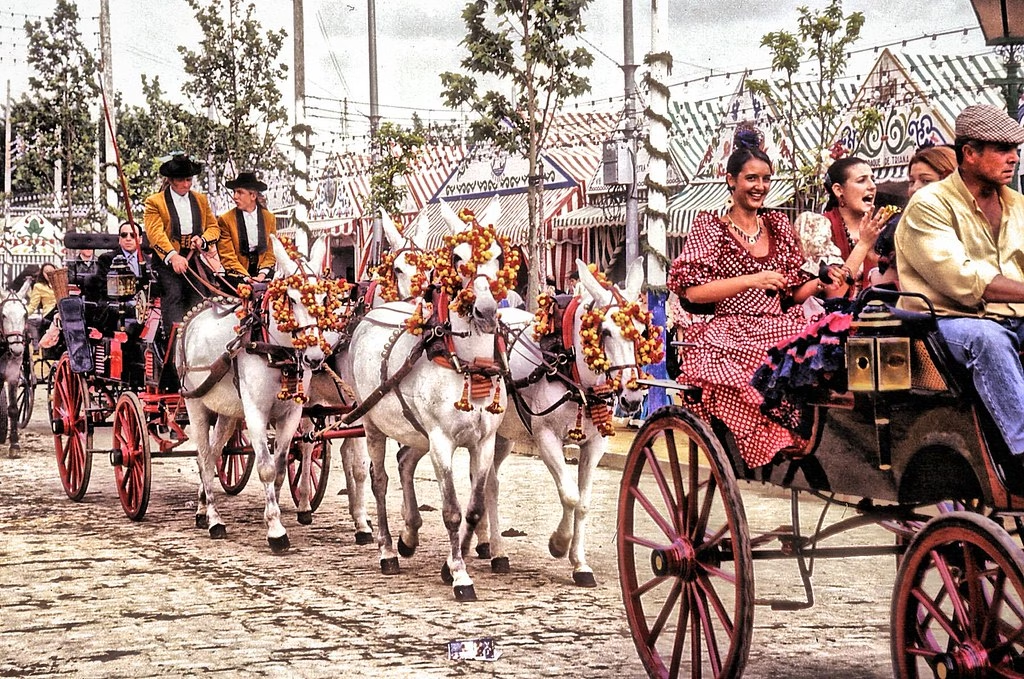
The daily horse parade distinguishes the Seville spring fair from other festivals. Around 1,400 registered carriages circulate the fairground from noon-8 pm, carrying elegantly dressed riders. Andalusian horses, renowned for beauty and grace, wear ornate tack while riders don traditional short jackets (traje de corto).
Women riding behind men wear flamenco dresses color-coordinated with their partner’s attire. The choreographed elegance creates moving spectacle as hundreds of horses navigate fairground streets. Sunday before the fair opens, Plaza de Toros de la Maestranza hosts a horse and carriage exhibition showcasing the finest examples.
Flamenco Dresses and Traditional Attire
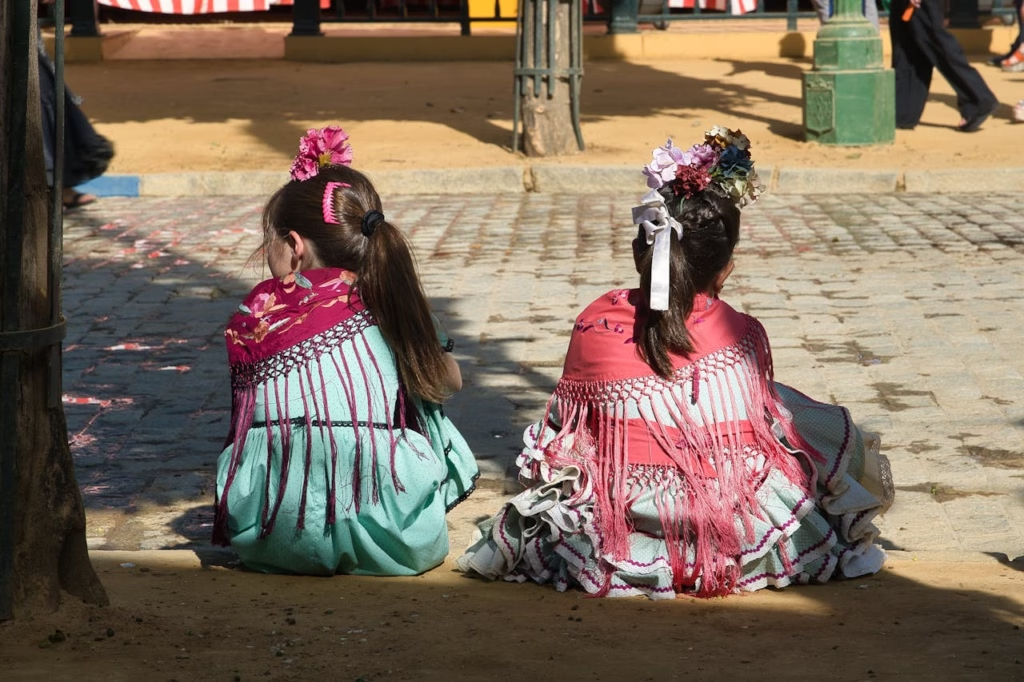
Flamenco dresses (traje de flamenca) represent the fair’s most visible tradition. Women’s dresses change annually following fashion trends in color, neckline, sleeve style, hem length, and polka dot size. Dress shops throughout Seville dedicate months to creating custom dresses costing €300-2,000+.
Men wear traje de corto: tight trousers, short jacket, white shirt, and wide-brimmed hat (sombrero cordobés). This outfit costs €500-1,500 depending on quality. Many Sevillanos maintain multiple outfits, changing throughout the week.
Bullfights During the Fair
Real Maestranza de Caballería bullring hosts afternoon corridas considered Spain’s premier bullfighting series. Top matadors compete April 21-26, with tickets selling out months ahead. Bullfighting remains controversial, but the tradition endures as an integral part of the fair for many Sevillanos.
Seville Fair in Miami
Seville Fair in Miami and Feria Miami refer to Florida celebrations inspired by Seville’s festival. Miami’s Spanish expatriate community, particularly from Andalusia, hosts scaled-down versions featuring flamenco dancing, Spanish food, and caseta-style tents. While capturing some atmosphere, these events can’t replicate Seville’s authentic scale and cultural depth.
Practical Planning for Seville April Fair 2026
Accommodation
Book by January 2026. Hotels charge 300-500% premiums during fair week. Expect €200-400/night for mid-range properties normally costing €60-80. Airbnb rentals offer alternatives though prices inflate similarly. Consider staying in nearby towns (Dos Hermanas, Alcalá de Guadaíra) with train connections to Seville.
Getting to the Fairground
TUSSAM buses operate special fair routes from central Seville to Real de la Feria. Lines C1 and C2 run continuously. The fairground sits in Los Remedios neighborhood, walkable from city center in 30-40 minutes. Taxis cost €8-12 from center but surge during peak hours.
What to Wear
Tourists needn’t wear traditional dress, though many rent flamenco dresses or short jackets to participate fully. Comfortable shoes essential for hours of standing and dancing. April temperatures average 18-24°C with cool evenings requiring light jacket.
Luggage Storage for Fair Week
Fair visitors often arrive before hotel check-ins or depart after checkouts during Spain’s busiest travel week. The fairground prohibits large bags, and hotels rarely accommodate early/late access during peak demand.
Radical Storage provides secure bag storage throughout Seville including locations near Santa Justa train station, Plaza de España, and the Alameda de Hércules. Store luggage for €5 per bag per day with €10,000 insurance coverage. The mobile app shows real-time availability at partnered hotels, shops, and restaurants citywide. This lets you explore the fair from noon through dawn without managing suitcases, then collect bags before continuing your journey.
More Seville Events in 2026
- Semana Santa (March 29-April 5): Holy Week processions precede the fair by two weeks, featuring elaborate floats carried through streets.
- Velá de Santa Ana (July): Triana neighborhood festival with rowing competitions and flamenco.
- Feria del Caballo (September): Horse fair showcasing Andalusian equestrian traditions.
FAQs
Most private casetas require invitations. Making Sevillano friends beforehand, staying in hotels with casetas, or joining tour groups with connections provides access. Public casetas welcome everyone.
No requirement exists, though wearing a flamenco dress or traje de corto enhances the experience. Rental shops in Seville offer complete outfits for €50-€150 for the week.
Fair entry costs nothing. Food and drinks in casetas range from €3 to €8 per item. Accommodation represents the major expense due to inflated fair-week pricing.
Final Thoughts
Seville Fair 2026 offers unmatched immersion into Andalusian culture. The combination of flamenco dresses swirling to sevillanas, horses parading past illuminated casetas, families gathering across generations, and strangers welcomed into celebrations creates experiences impossible to replicate elsewhere. While tourist-friendly aspects exist through public casetas and rental accommodations, the fair remains fundamentally Sevillano, celebrating local identity through traditions refined over 179 years.
Success requires accepting the fair on its terms. Private casetas may exclude you, flamenco dancing takes practice, and navigating crowds of half a million people tests patience. Those who embrace rather than resist these realities discover why Seville dedicates an entire week to celebration, why families invest thousands in dresses and decorations, and why this festival endures as Andalusia’s defining cultural event.