
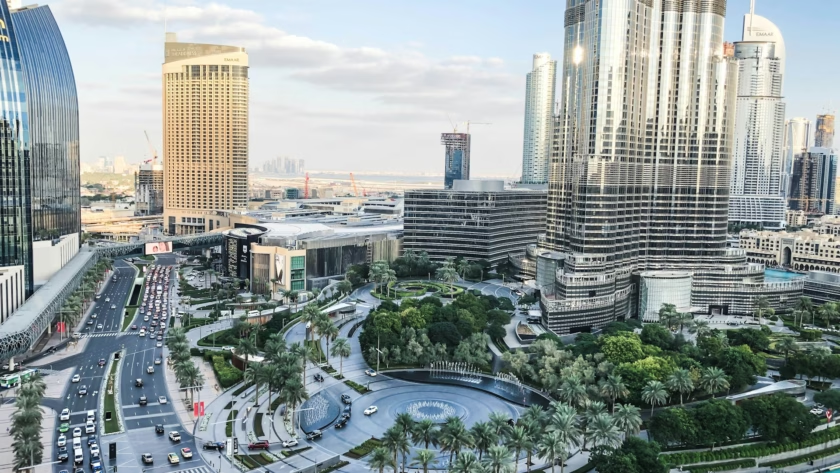
Dubai, with its towering skyscrapers, man-made islands, and luxury shopping malls, has become one of the world’s most talked-about tourist destinations. But beneath the glossy exterior and Instagram-perfect photos lies a more complex reality. Is it truly worth the hype, or is Dubai overrated and fails to deliver on its promises? The more meaningful question is whether Dubai aligns with your personal travel values and interests. This comprehensive guide explores both sides of the debate, offering an honest assessment of what to expect when visiting this desert metropolis.
The Dubai Expectation vs. Reality
Dubai markets itself as a futuristic paradise where luxury and innovation meet. The city has successfully crafted an image of opulence and grandeur that attracts millions of visitors each year. However, many travelers report a disconnect between the marketed image and their actual experience.
The city’s rapid transformation from a modest fishing village to a global metropolis in just a few decades is undeniably impressive. Yet this meteoric rise has created a destination that some critics describe as “artificial” and “soulless.” Understanding both the allure and the criticisms of Dubai is essential for any traveler considering a visit in 2025.
What Makes Dubai Appealing: The Undeniable Pros
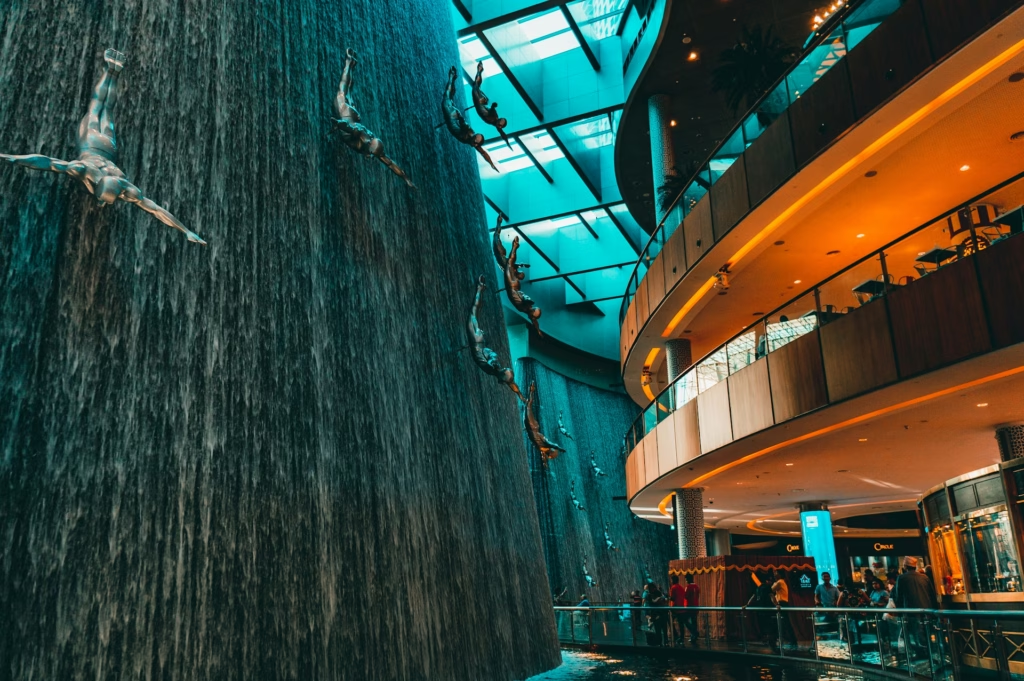
1. Architectural Marvels and Futuristic Vision
Dubai’s skyline is a testament to human ambition and engineering prowess. The Burj Khalifa, standing at over 828 meters, remains the world’s tallest building and offers breathtaking views of the city. The Palm Jumeirah, a palm-shaped artificial island visible from space, showcases Dubai’s commitment to pushing boundaries.
The Museum of the Future, with its distinctive ring-shaped design, has become another iconic landmark that houses innovative exhibitions about technology and society. For architecture enthusiasts and those fascinated by futuristic urban planning, Dubai offers a glimpse into what cities might look like in the coming decades.
2. Luxury Experiences and World-Class Hospitality
Few destinations can match Dubai’s dedication to luxury. From the seven-star Burj Al Arab to the underwater suites at Atlantis, The Palm, the city’s hotels redefine opulence. The attention to detail and exceptional service standards are consistently praised by visitors.
Dubai’s hospitality sector has mastered the art of creating memorable experiences, whether it’s dining in the sky, enjoying a private desert safari, or relaxing in lavish spa facilities. For travelers seeking indulgence and pampering, Dubai delivers impressively.
3. Cultural Diversity and Global Cuisine
With expatriates making up approximately 85% of its population, Dubai is one of the world’s most diverse cities. This multicultural environment has created a rich tapestry of culinary experiences, from authentic Emirati cuisine to virtually every international food imaginable.
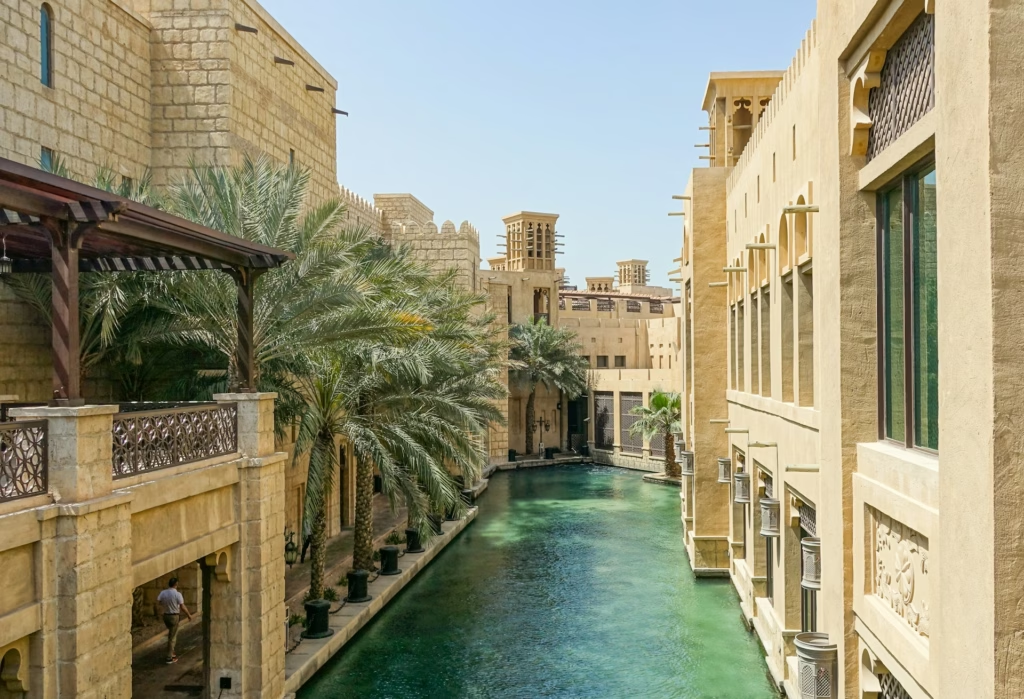
Areas like Al Fahidi Historical Neighborhood offer glimpses into Dubai’s past, with traditional wind-tower architecture and cultural museums. The Sheikh Mohammed Centre for Cultural Understanding provides valuable insights into local customs and traditions, helping visitors appreciate the Emirati heritage beyond the modern façade.
4. Safety, Cleanliness, and Efficiency
Dubai consistently ranks among the world’s safest cities for tourists. The low crime rate, strict laws, and visible security presence create a sense of safety that many travelers appreciate, especially those traveling solo or with families.
The city’s cleanliness is remarkable, with spotless streets and well-maintained public spaces. Dubai’s efficient public transportation system, including the driverless metro, makes navigating the city relatively straightforward despite its sprawling nature.
The Criticisms: Why Some Consider Dubai Overrated
1. Artificial Atmosphere and Lack of Authenticity
Perhaps the most common criticism of Dubai is its perceived artificiality. Critics argue that the city feels like an elaborate theme park rather than an organic urban center with genuine character. The manufactured attractions and carefully curated experiences can feel hollow to travelers seeking authentic cultural immersion.
As one Reddit user described it: “It’s the most soulless, cultureless, and artificial city I’ve been to.” This sentiment is echoed by many who find Dubai’s rapid development has prioritized spectacle over substance, creating a city that impresses visually but may lack emotional depth.
2. Extreme Weather Challenges
Dubai’s climate presents significant challenges for much of the year. From May to September, temperatures regularly exceed 40°C (104°F), making outdoor activities uncomfortable or impossible. This reality contrasts sharply with the idyllic beach scenes often portrayed in tourism marketing.
The extreme heat forces most activities indoors during summer months, limiting exploration to air-conditioned malls, hotels, and attractions. While winter months (November to March) offer pleasant temperatures, travelers visiting outside this window may find their experience severely constrained by weather conditions.
3. High Costs and Commercialization
Despite claims that “shopping is cheaper,” Dubai remains an expensive destination by global standards. From accommodation and dining to attractions and activities, costs can quickly accumulate, especially for those drawn to the luxury experiences the city is known for.
The commercialization of virtually every aspect of the Dubai experience can be off-putting to some travelers. Many attractions feel designed primarily to extract maximum spending rather than provide genuine cultural or educational value. The constant upselling and premium pricing models can leave visitors feeling like walking wallets rather than welcomed guests.
4. Environmental and Ethical Concerns
Dubai’s rapid development has raised significant environmental questions. The energy-intensive process of desalinating seawater, the massive carbon footprint of air-conditioned mega-structures, and projects like artificial islands that disrupt marine ecosystems all contribute to environmental concerns.
Additionally, despite improvements in recent years, questions about labor practices and the treatment of migrant workers who built the city continue to trouble some ethically-minded travelers. These underlying issues can cast a shadow over the gleaming façade for visitors concerned about the social and environmental impact of their tourism choices.
Finding Balance: Is Dubai Worth Visiting in 2025?
The answer to whether Dubai is overrated depends largely on your expectations and travel preferences. If you’re seeking authentic cultural immersion or sustainable tourism, Dubai may indeed disappoint. However, if you appreciate architectural innovation, luxury experiences, and the ambition of human engineering, the city offers genuine marvels.
Who Might Find Dubai Worthwhile:
- Architecture and design enthusiasts fascinated by innovative urban planning and futuristic buildings
- Luxury travelers seeking high-end experiences, exceptional service, and premium accommodations
- Shopping aficionados who appreciate the vast malls and retail options
- Families looking for child-friendly attractions and activities in a safe environment
- Business travelers with an extra day or two to experience the highlights
Who Might Find Dubai Overrated:
- Cultural travelers seeking authentic, organic experiences and historical depth
- Budget-conscious explorers who prefer value over luxury
- Outdoor enthusiasts visiting during the scorching summer months
- Environmentally conscious travelers concerned about sustainability
- Those seeking vibrant street life and spontaneous urban experiences
Key Findings: The Verdict on Dubai in 2025
Dubai is neither entirely overrated nor underrated—it’s a destination that delivers exactly what it promises: spectacle, luxury, and ambition. The disappointment some travelers experience stems from misaligned expectations rather than inherent flaws in what Dubai offers.
The city excels at creating impressive visual experiences and comfortable luxury environments. It falls short in providing the organic charm, historical depth, and cultural authenticity that many travelers seek in their destinations.
How to Enjoy Dubai Without Disappointment
1. Visit During the Right Season
Plan your trip between November and March when temperatures are pleasant (20-30°C/68-86°F), allowing you to enjoy outdoor activities and explore beyond air-conditioned interiors.
2. Balance Touristy Attractions with Authentic Experiences
While the Burj Khalifa and Dubai Mall deserve their place on your itinerary, also make time for experiences like:
- Exploring the Al Fahidi Historical District
- Taking an abra (water taxi) across Dubai Creek
- Visiting the traditional souks rather than just the modern malls
- Enjoying a meal at local restaurants in areas like Deira or Bur Dubai
Pro Tip: Book luggage storage in Dubai for hassle-free explorations.
3. Set Realistic Expectations
Understand that Dubai is a young city still forming its identity. Appreciate it for what it is—an ambitious experiment in urban development—rather than expecting centuries of organic cultural evolution.
4. Consider a Stopover Rather Than an Extended Stay
Dubai works exceptionally well as a 2-4 day stopover destination. This timeframe allows you to experience the highlights without the risk of attraction fatigue or budget strain that can come with longer stays.
Conclusion: Beyond the Overrated Debate
Dubai represents something unique in the travel landscape—a city that has reinvented itself through sheer ambition and vision. Whether this appeals to you or leaves you cold is deeply personal.
Rather than asking if Dubai is overrated, perhaps the better question is whether it aligns with your travel values and interests. The city doesn’t pretend to be something it’s not—it proudly showcases its modernity, luxury, and architectural achievements.
For travelers in 2025, Dubai offers a fascinating case study in urban development and a glimpse into one possible future for global cities. It may lack the organic charm of ancient European capitals or the cultural depth of Asian metropolises, but it compensates with innovation, comfort, and spectacle.
Dubai isn’t for everyone—and that’s perfectly fine. The most successful visits come from travelers who understand exactly what Dubai offers and align their expectations accordingly. Whether you find it a soulless tourist trap or an inspiring vision of human achievement may say as much about your travel philosophy as it does about Dubai itself.
What’s undeniable is that few destinations provoke such polarized reactions—and that alone makes Dubai a fascinating place to form your own opinion about.
