
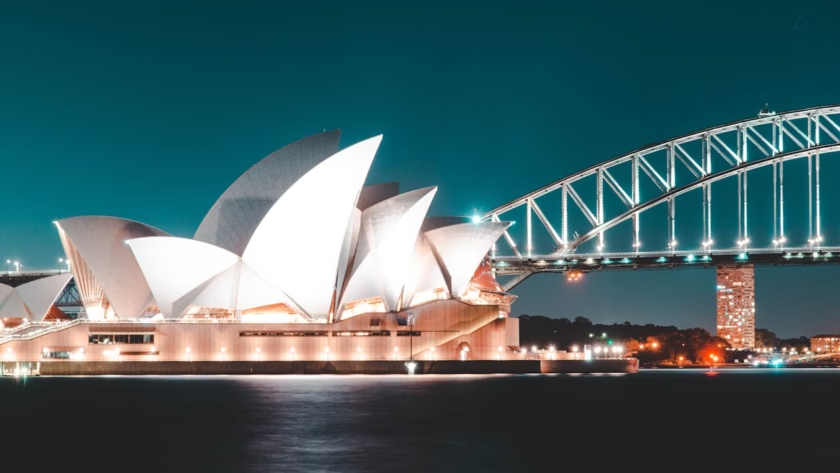
Is Australia expensive? This question weighs heavily on the minds of millions considering a trip to the Land Down Under or contemplating a move there. With its stunning landscapes, vibrant cities, and unique wildlife, Australia consistently ranks as a top travel destination, but many wonder if they can afford to experience it all.
The short answer is: Australia can be expensive, but it doesn’t have to break the bank. On average, budget travelers spend $65 (AU$102) per person per day, mid-range travelers spend $169 per day, while luxury travelers might spend significantly more. However, with proper planning and smart choices, you can experience Australia’s wonders without emptying your wallet.
- Breaking Down Australia’s Travel Costs in 2025
- Is Australia More Expensive Than the US?
- City-by-City Breakdown: How Expensive Are Major Australian Cities?
- Why Is Australia So Expensive?
- How to Travel Australia on a Budget
- Is Living in Australia Expensive?
- Australia vs Other Countries: Cost Comparison
- Smart Luggage Storage Solutions with Radical Storage
- When Is Australia Most Expensive to Visit?
- Regional Australia: Better Value for Money
- Practical Budgeting Tips for Australia
- The Verdict: Is Australia Worth the Cost?
Breaking Down Australia’s Travel Costs in 2025
Accommodation: From Budget Hostels to Luxury Hotels
Budget Options (AUD $30-80 per night)
- Hostel dormitories: AUD $30-50
- Budget hotels: AUD $60-80
Mid-Range Accommodation (AUD $100-250 per night)
- Three-star hotels: AUD $120-180
- Private Airbnb apartments: AUD $100-200
- Boutique guesthouses: AUD $150-250
Luxury Options (AUD $300+ per night)
- Five-star hotels in Sydney/Melbourne: AUD $400-800
- Exclusive eco-lodges: AUD $600-1,500
Food Costs: Is Food Expensive in Australia?
Australia’s food scene is diverse, and costs vary significantly depending on your dining choices:
Budget Eating (AUD $15-30 per day)
- Supermarket groceries: AUD $60-80 per week
- Food courts and casual eateries: AUD $12-18 per meal
- Fast food chains: AUD $10-15 per meal
Mid-Range Dining (AUD $40-80 per day)
- Casual restaurants: AUD $25-40 per meal
- Pub meals: AUD $20-35
- Café breakfast/lunch: AUD $15-25
Fine Dining (AUD $100+ per day)
- Upscale restaurants: AUD $80-150 per person
- Wine pairings: Additional AUD $50-100
Transportation Costs Across Australia
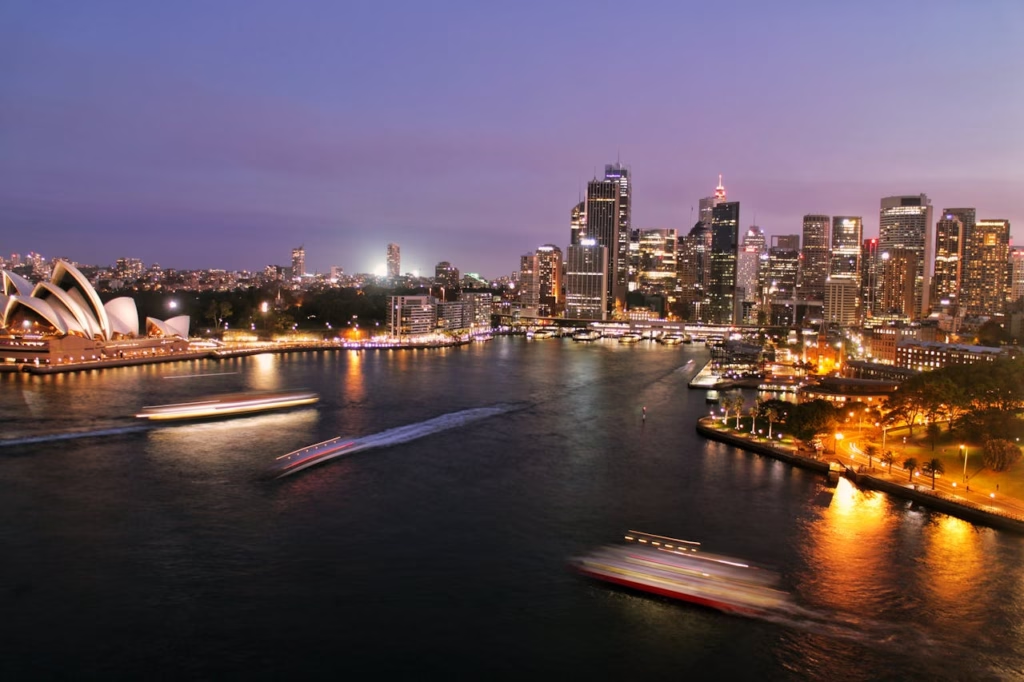
Public Transportation
- Sydney: AUD $4.60-8.05 per trip (Opal Card)
- Melbourne: AUD $4.60-9.20 per trip (Myki Card)
- Brisbane: AUD $3.31-6.62 per trip (Go Card)
- Perth: AUD $2.70-5.50 per trip (SmartRider)
Car Rental and Fuel
- Compact car rental: AUD $40-80 per day
- Fuel costs: AUD $1.60-1.80 per liter
- Parking in city centers: AUD $15-50 per day
Domestic Flights
- Sydney to Melbourne: AUD $100-350
- Sydney to Brisbane: AUD $120-400
- Cross-country flights: AUD $200-600
Is Australia More Expensive Than the US?
The comparison between Australia and the United States reveals interesting nuances. The average cost of living in Australia ($2121) is 15% less expensive than in the United States ($2498), though this varies significantly by city and lifestyle.
Key Comparison Points:
| Category | Australia (AUD) | USA (USD) | Difference |
| Average Monthly Living Cost | $2,923 | $3,200 | -9% |
| Minimum Wage (per hour) | $20.33 | $7.25 | +180% |
| Basic Meal at Restaurant | $20-25 | $12-18 | +39% |
| Monthly Public Transport Pass | $130-200 | $70-120 | +67% |
| 1-Bedroom Apartment (City Center) | $1,800-3,500 | $1,200-3,000 | +25% |
Australia has a better life quality with longer life and less obesity, which many consider worth the additional cost.
City-by-City Breakdown: How Expensive Are Major Australian Cities?
Is Sydney Australia Expensive?
Sydney consistently ranks as Australia’s most expensive city. Here’s what to expect:
Daily Budget Estimates:
- Budget traveler: AUD $80-120
- Mid-range traveler: AUD $200-300
- Luxury traveler: AUD $500+
Key Sydney Costs:
- Harbour Bridge Climb: AUD $174-388
- Opera House tour: AUD $43
- Bondi Beach activities: Free-AUD $50
- Average restaurant meal: AUD $30-50
Is Melbourne Australia Expensive?
Melbourne offers slightly better value than Sydney while maintaining world-class attractions:
Daily Budget Estimates:
- Budget traveler: AUD $70-110
- Mid-range traveler: AUD $180-280
- Luxury traveler: AUD $450+
Melbourne Highlights:
- Royal Botanic Gardens: Free
- Queen Victoria Market: Free entry, food varies
- Street art tours: AUD $25-45
- Coffee culture: AUD $4-6 per cup
Is Perth Australia Expensive?
Perth provides the best value among major Australian cities:
Daily Budget Estimates:
- Budget traveler: AUD $60-90
- Mid-range traveler: AUD $150-220
- Luxury traveler: AUD $400+
Perth Advantages:
- Beautiful beaches: Free
- Kings Park: Free
- Lower accommodation costs
- Affordable dining options
Why Is Australia So Expensive?
Several factors contribute to Australia’s reputation for high costs:
- Geographic Isolation: Remote location increases import costs
- High Minimum Wages: The minimum wage in Australia is AUD 20.33 per hour
- Strong Economy: High GDP per capita drives up prices
- Quality Standards: Strict regulations ensure high-quality goods and services
- Small Population: Limited economies of scale in some sectors
How to Travel Australia on a Budget
Smart Money-Saving Strategies
Accommodation Hacks:
- Book hostels in advance for better rates
- Consider house-sitting opportunities
- Use Radical Storage for luggage storage instead of expensive hotel storage
- Stay in suburbs and commute to city centers
Food Budget Tips:
- Shop at supermarkets like Coles, Woolworths, or ALDI
- Take advantage of happy hour specials
- Cook meals when possible
- Try food trucks and markets
Transportation Savings:
- Purchase weekly or monthly transport passes
- Walk or cycle when possible
- Book domestic flights well in advance
- Consider bus travel between cities
Activity Cost-Cutting:
- Enjoy free activities like beaches, parks, and hiking trails
- Look for student and senior discounts
- Visit during shoulder seasons for better deals
- Use city tourism cards for bundled savings
Is Living in Australia Expensive?
For those considering a permanent move, Australia’s living costs vary significantly by location and lifestyle. The cost of living in Australia is often slightly lower than in the US, but this varies significantly based on the city you reside in, your lifestyle, and spending habits.
Monthly Living Expenses (Single Person):
| Expense Category | Major Cities (AUD) | Regional Areas (AUD) |
| Rent (1-bedroom) | $1,800-3,500 | $800-1,500 |
| Utilities | $150-250 | $120-200 |
| Groceries | $300-500 | $250-400 |
| Transportation | $100-200 | $50-150 |
| Healthcare | $100-300 | $80-200 |
| Entertainment | $200-400 | $100-250 |
Australia vs Other Countries: Cost Comparison
Australia’s costs become more reasonable when compared to other developed nations:
- More expensive than: Thailand, Indonesia, India, most of Eastern Europe
- Similar to: United Kingdom, Canada, Germany
- Less expensive than: Switzerland, Norway, Denmark, Singapore
Smart Luggage Storage Solutions with Radical Storage
When exploring Australia’s expensive cities, every dollar counts. Instead of paying hefty hotel storage fees or rushing back to accommodations, Radical Storage offers affordable luggage storage solutions across major Australian cities. With locations in Sydney, Melbourne, Brisbane, and Perth, you can store your bags for just a fraction of hotel storage costs, giving you the freedom to explore without burden.
Radical Storage partners with local businesses like cafés, shops, and hotels to provide secure, convenient storage options. This service is particularly valuable in expensive cities like Sydney, where maximizing your sightseeing time without extra accommodation costs can significantly impact your budget.
When Is Australia Most Expensive to Visit?
Peak Season (December-February & June-August):
- Accommodation rates increase 30-50%
- Domestic flights cost 25-40% more
- Restaurant reservations are harder to secure
Shoulder Season (March-May & September-November):
- Moderate pricing across all categories
- Better availability
- Pleasant weather in most regions
- Ideal balance of cost and experience
Off-Season (varies by region):
- Significant savings on accommodation
- Reduced flight costs
- Some attractions may have limited hours
- Weather may be less favorable
Regional Australia: Better Value for Money
While major cities dominate discussions about Australia’s costs, regional areas offer exceptional value:
Tasmania (Tassie):
- 20-30% lower costs than mainland cities
- Incredible natural beauty
- Unique wildlife experiences
- Growing food and wine scene
Cairns and Far North Queensland:
- Budget-friendly base for Great Barrier Reef
- Tropical climate year-round
- Adventure activities at reasonable prices
Adelaide:
- Most affordable major city
- World-class wine regions nearby
- Vibrant arts scene
- Excellent value restaurants
Practical Budgeting Tips for Australia
Create a Realistic Budget
Two-Week Australia Trip Budget Examples:
Budget Traveler (AUD $1,400-2,100 total):
- Accommodation: AUD $30-50/night
- Food: AUD $25-35/day
- Transportation: AUD $40-60/day
- Activities: AUD $20-40/day
Mid-Range Traveler (AUD $3,500-5,500 total):
- Accommodation: AUD $120-180/night
- Food: AUD $60-80/day
- Transportation: AUD $80-120/day
- Activities: AUD $80-150/day
Luxury Traveler (AUD $8,000+ total):
- Accommodation: AUD $400-800/night
- Food: AUD $150-300/day
- Transportation: AUD $150-300/day
- Activities: AUD $200-500/day
Money-Saving Apps and Resources
- Transport Apps: Opal (Sydney), Myki (Melbourne), Go Card (Brisbane)
- Accommodation: Hostelworld, Booking.com, Airbnb
- Activities: Groupon, Experience Oz, Viator
The Verdict: Is Australia Worth the Cost?
Despite its reputation for being expensive, Australia offers incredible value for the experiences it provides. The country’s high minimum wage, excellent infrastructure, pristine natural environments, and strong safety standards justify many of the costs travelers encounter.
A trip to Australia’s price tag depends heavily on your travel style, but a ballpark figure for a comfortable one-week trip for a single person hovers around $2,000-$3,000 AUD. However, budget-conscious travelers can explore the country for much less with careful planning.
The key to managing Australia’s costs lies in understanding where to splurge and where to save. Invest in unique experiences like diving the Great Barrier Reef or exploring Uluru, but save money on accommodation and daily meals through smart choices.
Whether you’re planning a short visit or considering a permanent move, Australia’s combination of natural beauty, cultural diversity, and high quality of life makes it a worthwhile investment. With proper planning, use of cost-saving services like Radical Storage for your luggage needs, and strategic budgeting, you can experience everything Australia has to offer without breaking the bank.
Remember, the memories and experiences you’ll gain from visiting Australia are truly priceless – and with the right approach, they don’t have to cost a fortune either.
