
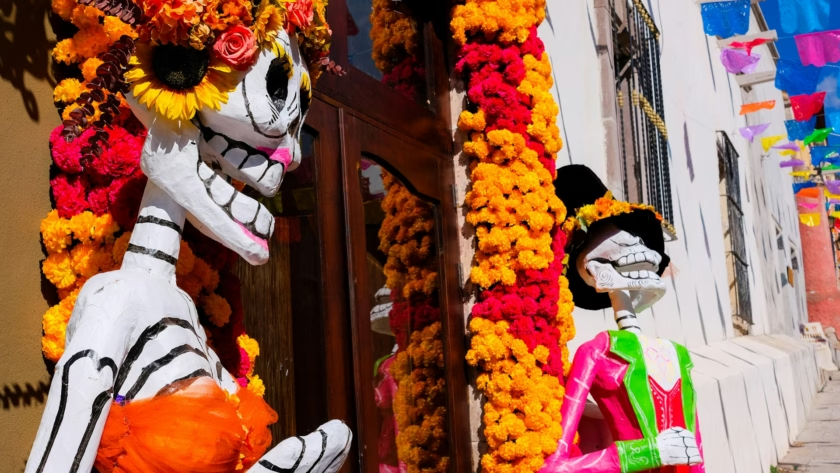
The Day of the Dead Festival 2026 (Día de Muertos) is the one week of the year when Mexico fills with marigolds, candles and giant skeletons. In Mexico City the headline is the Gran Desfile de Día de Muertos on Saturday 31 October 2026; in Oaxaca it’s the costumed comparsas and the all-night cemetery vigils of 31 October to 2 November. This practical guide covers both cities: confirmed 2026 dates, where to stand, how to get there, etiquette, and what to do with your bags.
In a hurry? Watching the parade with a suitcase is miserable. Drop it at a luggage storage point near the Zócalo in Mexico City or near the Zócalo in Oaxaca and go hands-free.
Day of the Dead Festival 2026: key dates at a glance
Día de Muertos is officially 1 and 2 November, but both cities start celebrating well before. Here are the confirmed 2026 highlights, taken from the Mexico City government’s official programme and the Oaxaca state tourism agenda.
| Date (2026) | Event | City | Where |
|---|---|---|---|
| Sat 17 Oct | Desfile de Alebrijes Monumentales (giant alebrijes parade) | Mexico City | Zócalo → Paseo de la Reforma |
| Sun 25 Oct | Mega Procesión de las Catrinas | Mexico City | Ángel de la Independencia → Zócalo |
| 26 Oct – 3 Nov | Official Día de Muertos programme (100+ activities) | Oaxaca | Historic centre and surrounding villages |
| 29 Oct – 2 Nov | Ofrenda Monumental (mega altar) | Mexico City | Zócalo |
| Sat 31 Oct, 14:00 | Gran Desfile de Día de Muertos | Mexico City | Paseo de la Reforma → Zócalo |
| Sat 31 Oct, 18:00 | Gran Comparsa | Oaxaca | Calzada Porfirio Díaz → García Vigil |
| 31 Oct – 2 Nov | Cemetery vigils (Mixquic; Xoxocotlán, Atzompa, Panteón General) | Both | Cemeteries, from dusk |
| 1 – 2 Nov | Monumental altars from Oaxaca’s 16 Indigenous peoples | Oaxaca | Zócalo |
All parades and public altars listed above are free. Times can shift at short notice, so check the official Mexico City Día de Muertos page the day before you go.
Day of the Dead in Mexico City 2026
The Gran Desfile de Día de Muertos: 31 October 2026
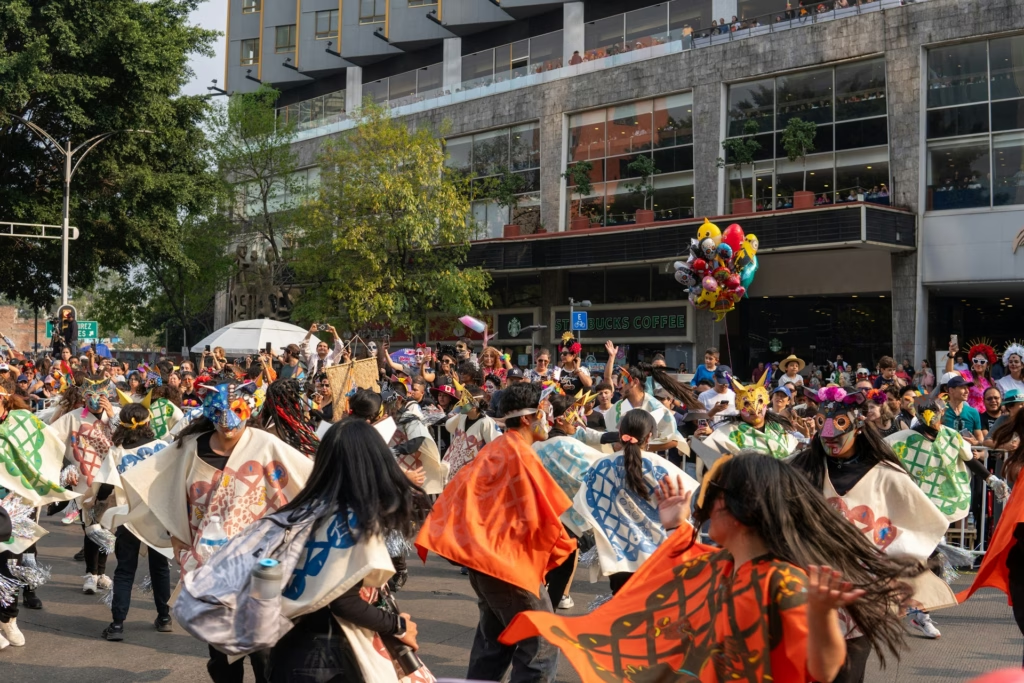
The Day of the Dead parade in Mexico City only dates from 2016 (it was inspired by the opening scene of the Bond film Spectre), but it is now the biggest single event of the season. The 2026 edition is confirmed for Saturday 31 October at 14:00, running down Paseo de la Reforma to the Zócalo with marching bands, dancers, mojigangas (giant puppets), monumental catrinas and floats. Expect it to last several hours.
Note that a special World Cup edition of the parade already took place on 13 June 2026 for football fans. The real thing, on 31 October, goes ahead as usual.
Where to stand: the whole of Reforma is lined with people, and the Zócalo end is the most crowded. For a close-up view with room to breathe, pick a spot on Reforma between the Ángel de la Independencia and the Glorieta de Colón (metro Insurgentes, Sevilla or Hidalgo) and arrive at least an hour early. If you want the finale, stand on Avenida Juárez opposite the Palacio de Bellas Artes.
Catrinas, alebrijes and the Zócalo mega ofrenda
Two warm-up parades use the same stretch of Reforma. The Desfile de Alebrijes Monumentales (Saturday 17 October), organised by the Museo de Arte Popular, sends dozens of giant fantastical creatures from the Zócalo up to Reforma, where they stay on display until early November. The Mega Procesión de las Catrinas (Sunday 25 October) is the one to join rather than watch: thousands of people in skull make-up walk from the Ángel to the Zócalo.
From 29 October to 2 November the Zócalo hosts the Ofrenda Monumental, the city’s giant altar. In 2026 it is dedicated to José Guadalupe Posada’s Catrina, with a 32-metre papier-mâché sculpture, sawdust carpets and thousands of cempasúchil marigolds, plus free concerts. The Reforma sidewalks also host a marigold flower festival from 18 October to 1 November.
Mixquic: the traditional side of Mexico City
For something closer to the original tradition, head to San Andrés Mixquic in Tláhuac, on the city’s south-eastern edge (allow 1.5 to 2 hours from the centre by metro plus taxi or colectivo; many visitors book a tour). From 31 October to 2 November the village’s cemetery fills with candles and families keeping vigil. The peak moment is La Alumbrada on the night of 2 November, when the lights go out and thousands of candles are lit on the graves. The city government asks visitors to arrive early, keep silent during La Alumbrada, never sit on or step over graves, and ask before photographing anyone.
Day of the Dead in Oaxaca 2026
If Mexico City is the spectacle, Day of the Dead in Oaxaca is the heart. The state’s official 2026 programme runs from 26 October to 3 November with more than 100 activities, including a 250 m² sand carpet in the atrium of the Jalatlaco church, a catrina contest and a facade contest in the historic centre, an atole fair and a night-time 9 km “Recorrido al Mictlán” run from Santo Domingo on 30 October. From 1 to 2 November the Zócalo hosts 30 monumental altars built by the state’s 16 Indigenous peoples and the Afro-Mexican community.
Comparsas: Oaxaca’s street parades
A comparsa is a neighbourhood parade of costumed, skull-painted dancers, brass bands and mojigangas that snakes through the streets late into the night, usually followed by anyone who wants to join. They happen mostly on the evenings of 31 October and 1 November in the centre and in nearby villages such as San Agustín Etla, where they’re called muerteadas and go on until dawn. The official Gran Comparsa on 31 October 2026 leaves Calzada Porfirio Díaz at 18:00 and heads down García Vigil towards the centre, followed by a catrina contest on the Alameda de León and open-air concerts at 20:00.
Cemetery night at Panteón de Xoxocotlán
The best-known vigil is at Santa Cruz Xoxocotlán, about 8 km south of the centre near the airport road. On the night of 31 October (and again on 1 November) families decorate graves with marigolds and candles and stay until morning, with bands playing between the tombs. It is the most visited cemetery, so taxis and organised shuttles run from the centre; go after 21:00 for the full effect. Quieter alternatives are the Panteón General (San Miguel) inside the city, Santa María Atzompa (about 10 km, hilltop cemetery, very atmospheric) and the villages of the Etla valley.
Don’t skip the Mercado de Abastos in the days before: it turns into a forest of marigolds, cockscomb flowers, sugar skulls, pan de muerto and chocolate as families shop for their altars.
Mexico City or Oaxaca: which one should you pick?
| Mexico City | Oaxaca | |
|---|---|---|
| Vibe | Big-city spectacle, parades, mega altar | Intimate, traditional, village cemeteries |
| Must-see | Gran Desfile, 31 Oct, 14:00 | Xoxocotlán cemetery night, 31 Oct |
| Crowds | Hundreds of thousands on Reforma | Busy but walkable centre |
| Accommodation | Plenty; book 1–2 months ahead | Sells out months ahead; prices double or triple |
| Best for | First visit to Mexico, photography, families | Culture, food, a slower pace |
| Do both? | Yes: parade in CDMX on 31 Oct, fly to Oaxaca (1 hour) for 1–2 Nov | |
Getting there and getting around
Mexico City
- Airport: Benito Juárez International (MEX) is 30–60 minutes from the centre by taxi; the Metro (Terminal Aérea, Line 5) is the cheapest option but awkward with luggage.
- Parade day transport: Reforma and the Centro Histórico close to traffic for hours. Use the Metro: Insurgentes or Sevilla (Line 1) for upper Reforma, Hidalgo (Lines 2/3) and Bellas Artes (Lines 2/8) for the lower stretch, Zócalo/Tenochtitlan (Line 2) for the finish, though that station often shuts when the square is full.
- After the parade: ride-hailing surge pricing is extreme. Walk a few blocks away from Reforma before ordering a car, or take the Metro.
Oaxaca
- By air: Oaxaca airport (OAX) is about an hour’s flight from Mexico City and 20–30 minutes by taxi or shared shuttle from the historic centre.
- By bus: ADO runs frequent buses from Mexico City’s TAPO terminal to Oaxaca; the trip takes roughly 6.5–7 hours and overnight services are popular.
- In town: the centre is compact and walkable. Ride-hailing apps are not reliable in Oaxaca, so use street taxis or hotel-arranged transport for the cemeteries. The state is also laying on free BinniBus shuttles from Parque Juárez “El Llano” to the marigold fields and main venues during the 2026 programme.
Bag, etiquette and safety tips
- Travel light on parade day. The crowds on Reforma are shoulder to shoulder, and a backpack or suitcase makes you a target for pickpockets and a nuisance to everyone around you. Bring only a small cross-body bag with water, a phone and some cash.
- Checked out of your hotel? Most hotels won’t hold bags past midday, and lockers are rare in both cities. Book a luggage storage point near the parade route or the Oaxaca Zócalo instead (see below).
- Cemeteries are not a show. Families are grieving and celebrating at the same time. Walk quietly, never step on graves, don’t touch offerings, ask before taking anyone’s photo and skip the flash.
- Face paint: having your face painted as a catrina is welcome and common at the parades. Make-up stations line Reforma before the Catrinas procession. It’s less appropriate inside cemeteries.
- Dress for the night. Mexico City evenings in late October are cool (around 10–12°C) and Oaxaca cemeteries get cold after midnight. Comfortable shoes are essential; you will stand for hours.
- Book early. Oaxaca hotels for 31 October to 2 November sell out months ahead. Jalatlaco and Colonia Reforma are good fallback neighbourhoods close to the centre.
Luggage storage for the Day of the Dead Festival with Radical Storage
Heading to the Gran Desfile on 31 October or Xoxocotlán cemetery that night? Radical Storage lets you drop your bags at verified local shops, cafés and hotels so you can follow a comparsa or squeeze onto Reforma hands-free. Book online in a couple of minutes, pay a flat rate per bag with no size or weight limits, and enjoy protection of up to €10,000 per bag, free cancellation and a network of 16,500+ locations in 2,300+ cities rated 4.8/5 by travellers.
- Luggage storage near Paseo de la Reforma for the parade route.
- Luggage storage near the Zócalo in Mexico City for the mega ofrenda and the parade finale.
- Luggage storage near the Zócalo in Oaxaca for the comparsas and the altars.
Day of the Dead Festival 2026: FAQ
The Gran Desfile de Día de Muertos 2026 is on Saturday 31 October at 14:00, running along Paseo de la Reforma to the Zócalo, according to the Mexico City government’s official programme.
Yes. The Gran Desfile, the Catrinas procession, the alebrijes parade and the Zócalo mega ofrenda are all free. Arrive at least an hour early for a good spot on Reforma.
The official Oaxaca programme runs from 26 October to 3 November 2026. The key nights are 31 October (Gran Comparsa and the Xoxocotlán cemetery vigil), 1 November (Todos Santos, muerteadas in Etla) and 2 November (Día de Muertos).
Yes, visitors are welcome at Xoxocotlán, Atzompa, Mixquic and other cemeteries, as long as they are respectful: keep quiet, don’t step on graves or touch offerings, and ask before photographing families.
Mexico City is best for the big parades and the mega ofrenda; Oaxaca is best for traditional comparsas and candlelit cemetery nights. With a one-hour flight between them you can do the parade on 31 October and Oaxaca on 1–2 November.
Radical Storage has luggage storage points near Paseo de la Reforma and the Zócalo in Mexico City, and near the Zócalo in Oaxaca. Book online, drop your bags at a verified local business and watch the parade hands-free, with protection of up to €10,000 per bag.
