
Spain enchants visitors with its sun-soaked coastlines, magnificent architecture, world-renowned cuisine, and vibrant cultural traditions that vary dramatically from region to region. For first-time visitors facing the delightful challenge of choosing from hundreds of captivating Spanish cities, towns, and coastal gems, knowing where to start makes all the difference. From Gaudí’s surreal masterpieces in Barcelona to flamenco passion in Seville, medieval fortresses in Toledo to pintxos bars in San Sebastián, Spain delivers unforgettable experiences at every turn. This comprehensive guide explores what are the best places to visit in Spain for first-timers, highlighting essential destinations for your trip to Spain alongside insider tips for families, young adults, and travelers seeking authentic Spanish experiences beyond the typical tourist trail.
Understanding Spain’s Regional Diversity
Spain’s autonomous regions each possess distinct identities, languages, cuisines, and architectural styles shaped by centuries of diverse cultural influences. Catalonia (Barcelona) differs dramatically from Andalusia (Seville, Granada), while the Basque Country maintains its own unique language and culinary traditions. Central Spain revolves around Madrid’s royal heritage, while Galicia in the northwest offers Celtic influences and dramatic coastlines. This regional variety means a trip to Spain can feel like visiting multiple countries, making destination selection crucial for first-timers wanting to maximize limited time.
Understanding these differences helps craft Spain itinerary plans that balance iconic attractions with regional authenticity. Most first-time visitors focus on the “Golden Triangle” of Barcelona, Madrid, and Seville, which provides an excellent introduction to Spanish diversity while remaining logistically manageable.
10 Best Places to Visit in Spain for First-Timers
These destinations consistently top recommendations for inaugural Spanish adventures, offering accessibility, iconic attractions, and authentic experiences.
1. Barcelona
Catalonia’s capital combines Mediterranean beaches with avant-garde architecture, Gothic quarters with modernist masterpieces. Barcelona’s unique character makes it essential for understanding Spain’s regional diversity.
Sagrada Família: Gaudí’s unfinished masterpiece dominates Barcelona’s skyline with its surreal organic forms and stained glass brilliance. Book timed tickets months ahead to guarantee entry.
Park Güell: Whimsical mosaic-covered structures and serpentine benches overlook the city from hilltop gardens showcasing Gaudí’s playful genius.
Gothic Quarter: Narrow medieval lanes contrast with tree-lined Las Ramblas boulevard. The cathedral, Picasso Museum, and countless tapas bars fill this atmospheric neighborhood.
La Boqueria Market: Sensory explosion of fresh produce, seafood, jamón, and local specialties makes this market essential for food lovers.
Beaches: Barceloneta and surrounding beaches provide urban coastal escape, though crowded in summer months.
2. Madrid
Spain’s capital offers world-class art museums, royal palaces, and vibrant nightlife that continues until dawn. Madrid’s central location makes it ideal hub for day trips.
Prado Museum: One of the world’s finest art collections features Velázquez, Goya, El Greco, and Spanish masters alongside European classics.
Royal Palace: Opulent rooms showcase Spanish monarchy’s grandeur with over 3,000 rooms (50 open to public). The adjacent Almudena Cathedral complements visits.
Retiro Park: Expansive green space provides rowing boats, street performers, and peaceful respite from urban energy. The Crystal Palace hosts rotating art exhibitions.
Gran Vía: Madrid’s main artery buzzes with shops, theaters, and architectural variety from Belle Époque to Art Deco.
Tapas Culture: Madrid perfected the art of bar-hopping for small plates. Neighborhoods like La Latina and Malasaña offer authentic experiences.
3. Seville
Andalusia’s capital epitomizes Spanish passion with flamenco, bullfighting traditions, and Moorish architecture amid orange tree-lined streets.
Alcázar: This royal palace showcases Mudéjar architecture’s intricate tilework, peaceful courtyards, and lush gardens. Game of Thrones filming location adds contemporary appeal.
Seville Cathedral: World’s largest Gothic cathedral houses Christopher Columbus’s tomb and the Giralda bell tower offering panoramic city views.
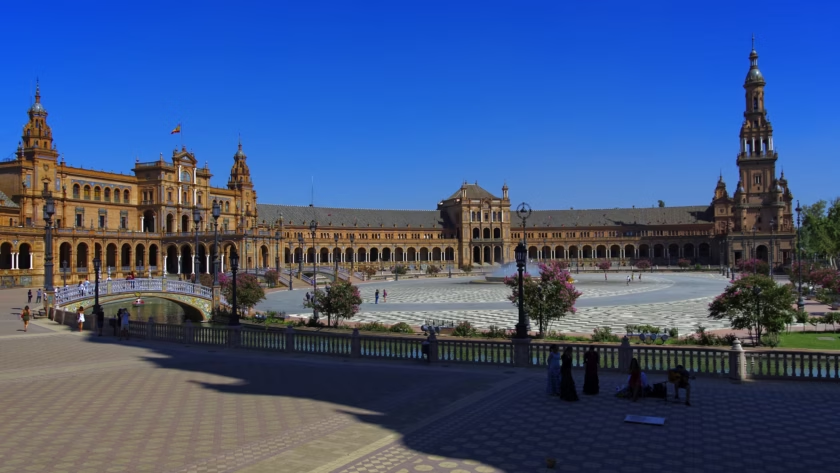
Plaza de España: Spectacular semicircular plaza with ceramic tile alcoves representing each Spanish province creates one of the most beautiful places in Spain for photography.
Flamenco Shows: Authentic performances in intimate venues like Casa de la Memoria capture Andalusian soul.
Triana District: Working-class neighborhood across the river maintains authentic character with ceramics shops and traditional bars.
4. Granada
The Alhambra alone justifies visiting this Andalusian city nestled against Sierra Nevada mountains, though Granada offers much more.
Alhambra: Moorish palace complex represents Islamic architecture’s zenith in Europe. Intricate stucco, reflecting pools, and Generalife gardens create otherworldly beauty. Book tickets months in advance as daily visitor numbers are strictly limited.
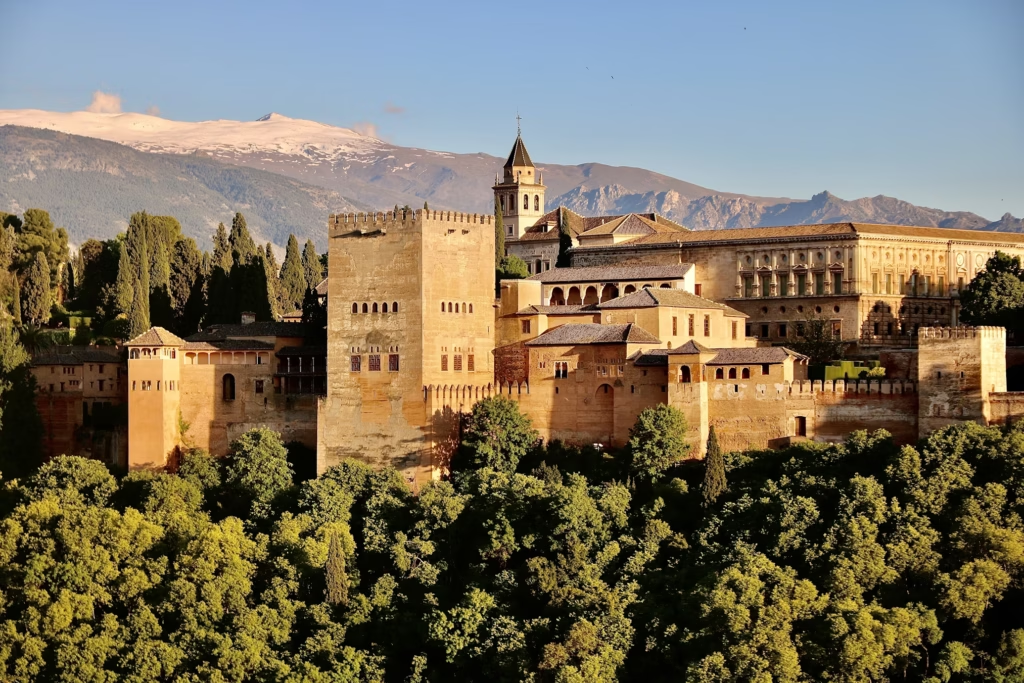
Albaicín: Moorish quarter’s whitewashed houses and narrow lanes lead to Mirador de San Nicolás, offering perfect Alhambra sunset views.
Sacromonte: Cave dwellings in gypsy quarter host authentic flamenco zambras (cave performances) with raw energy.
Free Tapas Culture: Granada uniquely provides complimentary tapa with every drink, making budget dining easy.
5. Valencia
Spain’s third-largest city balances futuristic architecture with medieval charm, offering best cities to visit in Spain for first-timers wanting to escape Barcelona’s crowds.
City of Arts and Sciences: Santiago Calatrava’s futuristic complex houses planetarium, science museum, opera house, and Europe’s largest aquarium in architectural marvel.
Historic Center: Gothic cathedral, Plaza de la Virgen, and Silk Exchange showcase Valencia’s medieval prosperity.
Paella Birthplace: Authentic Valencian paella (rabbit and snails, not seafood) tastes best at beachside restaurants in nearby El Palmar.
Beaches: Malvarrosa and Patacona beaches provide urban coastal access with warm Mediterranean waters.
6. San Sebastián
Basque Country’s elegant coastal gem combines pintxos culture with Belle Époque architecture and La Concha Beach, ranked among Europe’s best urban beaches.
La Concha Beach: Crescent-shaped bay with golden sand and calm waters creates picture-perfect setting surrounded by hills.
Old Town (Parte Vieja): Dense concentration of pintxos bars serve creative Basque small plates. Bar-hopping here defines culinary tourism.
Monte Igueldo: Funicular railway climbs to viewpoint showcasing San Sebastián’s stunning coastal setting.
Michelin Stars: Highest concentration of Michelin stars per capita makes San Sebastián essential for food enthusiasts.
7. Toledo
Medieval capital perched on rocky promontory offers day trip convenience from Madrid while showcasing Spain’s layered history.
Cathedral: Gothic masterpiece houses El Greco paintings and stunning choir stalls within labyrinthine interior.
Alcázar: Fortress dominates Toledo’s skyline, now housing military museum with Civil War exhibits.
El Greco Museum: Former home of the Greek painter who made Toledo his adopted city displays his distinctive works.
Swords & Damascene: Traditional crafts continue in workshops throughout the old city.
8. Córdoba
Once Europe’s largest and most cultured city during Moorish rule, Córdoba centers on one of Spain’s most breathtaking monuments.
Mezquita-Cathedral: Forest of columns with red-and-white striped arches creates hypnotic patterns in what began as mosque, later converted to cathedral. The architectural fusion symbolizes Spain’s complex history.
Jewish Quarter: Narrow whitewashed lanes, flower-filled patios, and the small Synagogue preserve Sephardic heritage.
Patio Festival: May festival opens private courtyards bursting with flowers, offering glimpse into Cordoban life.
9. Málaga
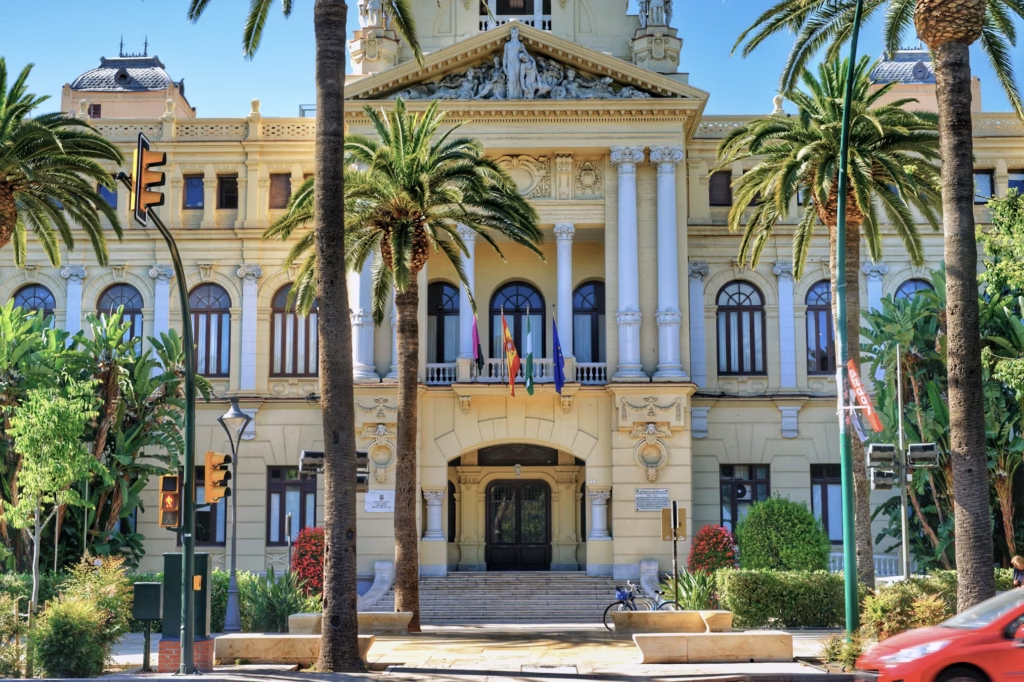
Gateway to Costa del Sol combines beach city convenience with Picasso heritage and rapidly improving cultural scene, making it one of the best places to visit in southern Spain.
Picasso Museum: Málaga’s most famous son is celebrated in museum housed in 16th-century palace showcasing his diverse periods.
Alcazaba & Gibralfaro: Moorish fortress complex offers historical immersion and panoramic coastal views.
Beaches: Urban beaches provide immediate Mediterranean access, while nearby towns offer resort alternatives.
Tapas Culture: Traditional bars in historic center serve wine and tapas at remarkable value.
10. Bilbao
Industrial city transformed through architecture and arts, led by the Guggenheim Museum’s spectacular titanium curves.
Guggenheim Museum: Frank Gehry’s masterpiece houses contemporary art in building that overshadows collections. The exterior titanium panels and Jeff Koons’ Puppy installation are destinations themselves.
Old Town (Casco Viejo): Seven streets form historic core with pintxos bars rivaling San Sebastián’s offerings.
Calatrava Bridge: Zubizuri footbridge adds another architectural landmark to the Nervión River.
Best Places to Visit in Northern Spain
Northern Spain differs dramatically from southern stereotypes, offering green landscapes, Celtic influences, and distinctive regional identities among the best places to visit in Spain for first-timers seeking diversity.
Basque Country
Beyond San Sebastián and Bilbao, the Basque region offers coastal villages, cider houses, and fierce cultural pride.
Getaria: Charming fishing village produced explorer Juan Sebastián Elcano and houses Cristóbal Balenciaga Museum celebrating the fashion designer.
Hondarribia: Medieval walled town near French border showcases colorful architecture and beach access.
Asturias
Green Spain’s mountains, cider culture, and Picos de Europa National Park create distinctive northern character.
Oviedo: Regional capital offers pre-Romanesque churches, excellent cider bars (sidrerías), and manageable size for exploration.
Covadonga: Mountain sanctuary and glacial lakes provide stunning Picos de Europa access.
Galicia
Spain’s Celtic corner features dramatic coastlines, Santiago de Compostela’s pilgrimage significance, and unique language.
Santiago de Compostela: Camino de Santiago’s culmination point features magnificent cathedral, medieval streets, and pilgrim atmosphere.
A Coruña: Coastal city with Glass Balconies, ancient Tower of Hercules lighthouse, and excellent seafood.
Cantabria
Cave paintings, coastal towns, and Santander’s beaches characterize this compact region.
Santillana del Mar: Preserved medieval village near Altamira Caves (replica open to public) showcases northern architecture.
Santander: Elegant beach city with Belle Époque buildings, Magdalena Palace, and Sardinero beaches.
Best Places to Visit in Southern Spain
Andalusia dominates southern Spain with Moorish heritage, flamenco passion, and stereotypical Spanish imagery.
Costa del Sol: Beyond package tourism, towns like Nerja (caves and beaches), Frigiliana (white village), and Marbella (upscale marina) offer varied coastal experiences.
White Villages (Pueblos Blancos): Ronda’s dramatic gorge, Arcos de la Frontera’s clifftop perch, and Grazalema’s mountain setting showcase Andalusian village beauty.
Cádiz: Ancient port city offers authentic atmosphere, carnival celebrations, and beaches without mass tourism.
Jerez de la Frontera: Sherry production, Andalusian horses, and flamenco’s purest form define this often-overlooked city.
Best Places to Visit in Spain for Young Adults
Young travelers seek social atmosphere, nightlife, and adventure alongside cultural experiences.
Barcelona: Hostel culture, beach clubs, and Ramblas energy attract international youth. Gothic Quarter bars and Gràcia neighborhood offer authentic local scenes.
Madrid: Late-night culture peaks in Madrid, where dinner rarely starts before 10 PM and clubs fill after 2 AM. Malasaña and Chueca neighborhoods epitomize Madrid’s youthful energy.
Ibiza: Beyond party reputation, the island offers beautiful beaches, hippie markets, and sunset beach clubs. Old Town (Dalt Vila) provides a cultural counterpoint, making it one of the best places to visit in Spain for first-timers.
Valencia: University city combines festivals (Las Fallas), beaches, and affordable living with vibrant student energy. Barrio del Carmen offers alternative nightlife.
Seville: Flamenco bars, rooftop terraces, and April Fair create social opportunities. Student areas like Alameda de Hércules buzz nightly.
Best Places to Visit in Spain with Kids
Family-friendly destinations balance education with entertainment, offering manageable sizes and child-appropriate activities.
Barcelona: Interactive museums, beaches, and Park Güell’s whimsical designs engage children. Aquarium and cable car to Montjuïc add variety.
Madrid: Retiro Park’s boat rentals, Royal Palace grandeur, and Prado Museum’s engaging tours suit families. Warner Bros Park nearby provides theme park option.
Valencia: City of Arts and Sciences’ interactive science museum and aquarium captivate young minds. Beaches and Turia Gardens (converted riverbed park) offer outdoor play.
Costa Brava: Beach towns north of Barcelona like Lloret de Mar, Tossa de Mar, and L’Estartit provide family resorts, water parks, and marine reserves.
Seville: Alcázar gardens, boat rides on Guadalquivir River, and horse-drawn carriages create fairy-tale experiences. Nearby Isla Mágica theme park adds entertainment.
Most Beautiful Places in Spain
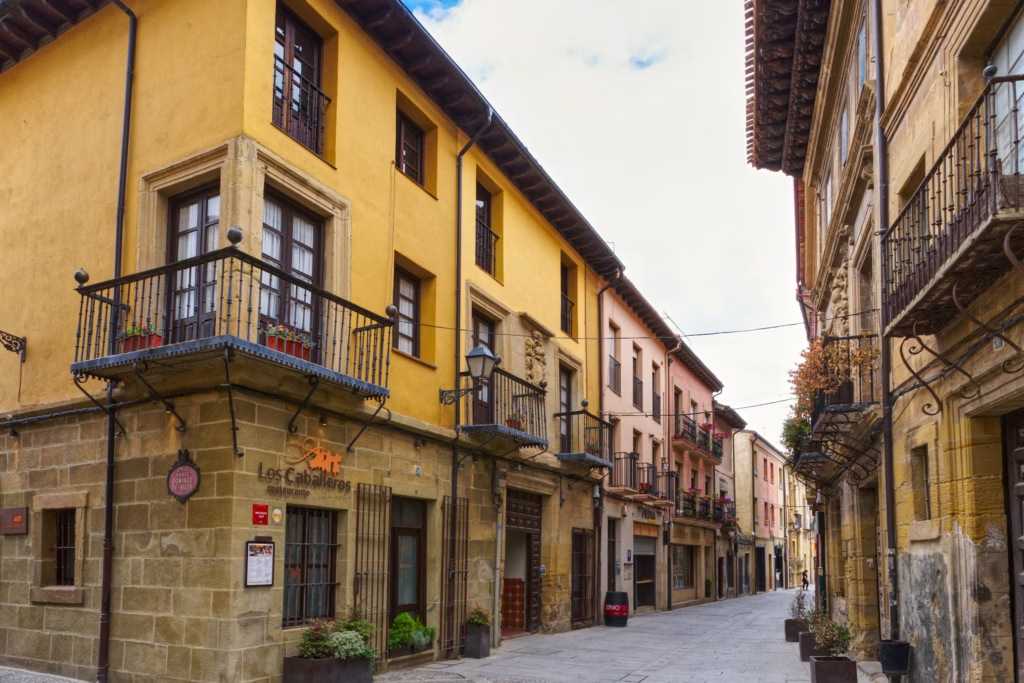
Spain’s scenic diversity spans Mediterranean coasts to mountain ranges, medieval villages to natural parks.
Camino de Santiago: Multiple pilgrimage routes showcase northern Spain’s green landscapes, Romanesque churches, and rural beauty.
Pyrenees: Mountain range forming French border offers hiking, skiing, and picturesque valleys with Romanesque architecture.
La Rioja: Wine country’s rolling vineyards, medieval villages, and bodegas create quintessential Spanish countryside.
Montserrat: Jagged mountain peaks house Benedictine monastery accessible via rack railway, offering spiritual atmosphere and hiking trails.
Canary Islands: Volcanic landscapes, subtropical climate, and unique ecosystems make these Atlantic islands feel worlds away from mainland Spain.
Store Your Bags with Radical Storage
Exploring multiple Spanish cities or catching early flights? Radical Storage provides convenient luggage storage across major Spanish destinations including Madrid, Barcelona, Seville, Valencia, and Málaga. Store bags securely for just €5.90 per day with up to €3,000 coverage, allowing you to explore plazas, museums, and beaches hands-free between trains or before hotel check-ins.
Find Radical Storage locations throughout Spain and maximize your travel experience without carrying heavy luggage through narrow medieval streets.
Planning Your Spain Itinerary
Sample 10-Day First-Timer Itinerary:
- Days 1-3: Barcelona (Gaudí, Gothic Quarter, beaches)
- Days 4-6: Madrid (museums, palace, day trip to Toledo)
- Days 7-9: Seville (Alcázar, cathedral, flamenco)
- Day 10: Departure or extend to Granada
Sample 2-Week Itinerary: Add Granada (2 days), Valencia (2 days), or northern cities like San Sebastián to comprehensive tour.
Getting Around:
- High-speed AVE trains connect major cities efficiently
- Domestic flights serve longer distances affordably
- Rental cars provide flexibility in rural areas
- City metros and buses handle urban transport
Best Time to Visit:
- Spring (April-June): Pleasant weather, festivals, manageable crowds
- Summer (July-August): Peak season with heat and tourists
- Fall (September-October): Excellent conditions, harvest season
- Winter (November-March): Lower prices, mild south, cold north
Best Places to Visit in Spain for First-Timers: Final Thoughts
Spain’s enduring appeal stems from remarkable regional diversity, preserved historical layers, and passionate cultural traditions that remain vibrantly alive rather than museum pieces. First-time visitors benefit from focusing on Barcelona, Madrid, and Seville as core destinations that showcase Spanish variety while remaining logistically straightforward. These Spanish cities provide essential introductions to Catalan, Castilian, and Andalusian identities that define modern Spain.
Key Takeaways:
- Golden Triangle: Barcelona, Madrid, and Seville cover essential first-timer experiences showcasing Spain’s regional diversity and historical depth.
- Northern Contrast: Best places to visit in northern Spain like San Sebastián and Bilbao reveal green landscapes and Basque culture contrasting southern stereotypes.
- Southern Romance: Best places to visit in southern Spain including Granada, Córdoba, and white villages deliver Moorish heritage and quintessential Spanish imagery.
- Family Appeal: Best places to visit in Spain with kids balance education and entertainment in manageable cities with beaches and interactive attractions.
- Young Adult Energy: Barcelona, Madrid, and Valencia offer nightlife, social hostels, and festivals attracting international youth culture.
Where to go in Spain for your inaugural visit ultimately depends on priorities, art museums versus beaches, mountains versus plains, big cities versus small towns in Spain. The country’s excellent infrastructure, diverse accommodations, and English prevalence in tourist areas make independent travel straightforward. Start planning using this guide to the best cities to visit in Spain, hidden gems, and regional treasures that make Spain one of Europe’s most rewarding destinations for first-time and return visitors alike.
For comprehensive planning resources for the best places to visit in Spain for first-timers, check out Spain’s official tourism website.