
Barcelona is one of those cities that genuinely earns its reputation. The architecture is extraordinary, the food is outstanding, the beaches are right in the city, and the nightlife runs until dawn. But it’s also busier and pricier than it used to be — which means how you plan makes a big difference. This Barcelona travel guide covers everything you need to know: the best time to go, where to stay, what to do, how to get around, how much to budget, and the best day trips from the city.
Quick answer: September and October are the best months to visit Barcelona — warm weather, swimmable sea, La Mercè festival, and noticeably fewer crowds than July and August. A 4–5 day barcelona itinerary covers the main sights comfortably; a week lets you slow down and explore like a local.
Why Barcelona in 2026?
2026 is a particularly exciting year to visit. Barcelona is the UNESCO World Capital of Architecture throughout the year, with over 1,500 events, exhibitions, and open architectural tours across the city. More significantly, June 10, 2026 marks the centenary of Antoni Gaudí’s death — the Sagrada Família’s central Tower of Jesus Christ is being inaugurated as part of the commemorations, making this the most dramatic milestone in the basilica’s 140-year construction history. For anyone who has ever wanted to visit Barcelona, 2026 is the year to do it.
Best Time to Visit Barcelona
| Season | Months | Avg Temp | Crowds | Best For |
|---|---|---|---|---|
| Spring | March – May | 16–22°C | Medium | Sightseeing, festivals, pleasant weather |
| Summer | June – August | 25–30°C | Very High | Beaches, nightlife, major festivals |
| Autumn | September – October | 20–25°C | Medium | Best all-round; warm sea, fewer crowds |
| Winter | November – February | 10–15°C | Low | Budget travel, museums, no queues |
According to our Barcelona travel guide, the best time to visit Barcelona is September to October. The heat of summer has softened, the sea is still warm from three months of sunshine, hotel prices drop noticeably, and La Mercè — Barcelona’s biggest annual street festival — takes over the city in late September. May is a close second: lively without being overwhelming, with comfortable temperatures for walking.
Avoid August if you’re crowd-sensitive. Barceloneta beach is packed wall-to-wall, Sagrada Família tickets sell out weeks in advance, and accommodation prices are at their highest. January and February offer the best value for budget travellers, with prices 25–40% lower than summer.
Barcelona Itinerary: How Long Do You Need?
Three full days covers the main sights. Four to five days lets you go deeper into the neighbourhoods and take a day trip. A week is ideal if you want to feel the city rather than just see it.
3-Day Barcelona Itinerary
Day 1 – Gaudí and the Eixample Start with Sagrada Família first thing — book tickets in advance, they regularly sell out weeks ahead. Spend at least 90 minutes inside. Afterwards, walk the Eixample grid to La Pedrera and Casa Batlló on Passeig de Gràcia. Dinner in El Born, one of the city’s best neighbourhoods for food.
Day 2 – Gothic Quarter and the Waterfront Morning in the Gothic Quarter: the Cathedral, Plaça Sant Felip Neri, and the Roman ruins in the basement of the City History Museum. Lunch at a local spot in El Born. Afternoon at the Picasso Museum, then walk down to Barceloneta beach for sunset. Tapas dinner in Barceloneta or Poble Sec.
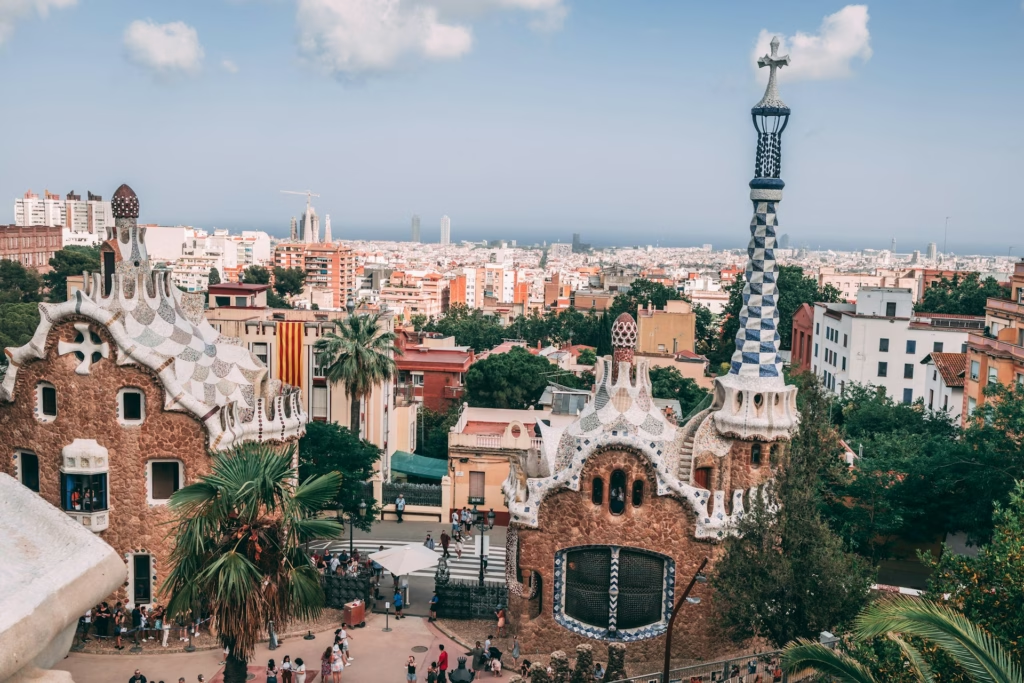
Day 3 – Park Güell and Gràcia Book the timed Park Güell monumental zone ticket for the morning (the surrounding park is free). Walk back down through the Gràcia neighbourhood, which has some of the best independent cafés and market squares in the city. Afternoon at MNAC on Montjuïc or the Fundació Joan Miró.
Days 4–5: Go Deeper
- Day 4: Day trip to Montserrat or Sitges (see Day Trips section below).
- Day 5: Slow down — morning at Mercat de Santa Caterina, afternoon at MACBA, evening Flamenco show or rooftop bar in the Eixample.
Things to Do in Barcelona
There’s no shortage of things to do in Barcelona. The challenge is choosing. Here’s where to focus, beyond the obvious landmarks.
Sagrada Família
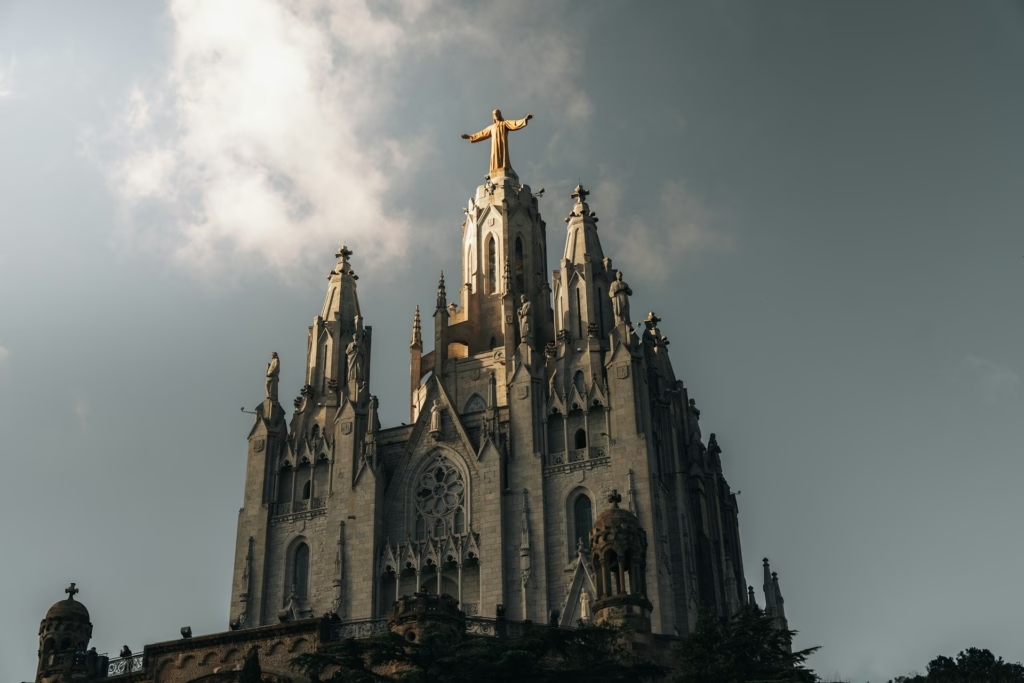
Gaudí’s unfinished basilica is still one of the most astonishing buildings on earth. In 2026, the inauguration of the central Tower of Jesus Christ — reaching 172.5 metres — marks a historic milestone. Book well ahead at sagradafamilia.org. From €26 for basic entry; tower access tickets are worth it for the views.
Park Güell
The Monumental Zone (the famous mosaic terrace and viaducts) requires a timed ticket (€10). The rest of the park — forested paths and views — is completely free. Go early morning or late afternoon to avoid the worst of the crowds.
The Gothic Quarter
The medieval streets of the Barri Gòtic are best explored slowly and without a rigid plan. Wander from Plaça Reial to the Cathedral, find the hidden Plaça Sant Felip Neri, and look for the remains of the Roman city wall along Carrer del Bisbe.
El Born and Picasso Museum
El Born has evolved into one of Barcelona’s most interesting areas for food, independent shops, and galleries. The Picasso Museum (€15; free certain Sunday mornings) traces the artist’s early years across five medieval palaces — far more intimate than you’d expect.
Montjuïc
The hill south of the city rewards a half-day. Take the cable car or funicular up, visit the Fundació Joan Miró, walk through the Jardins de Laribal, and end at the Magic Fountain for the free evening sound-and-light show (Thursday to Sunday, May to September).
Barceloneta and the Beaches
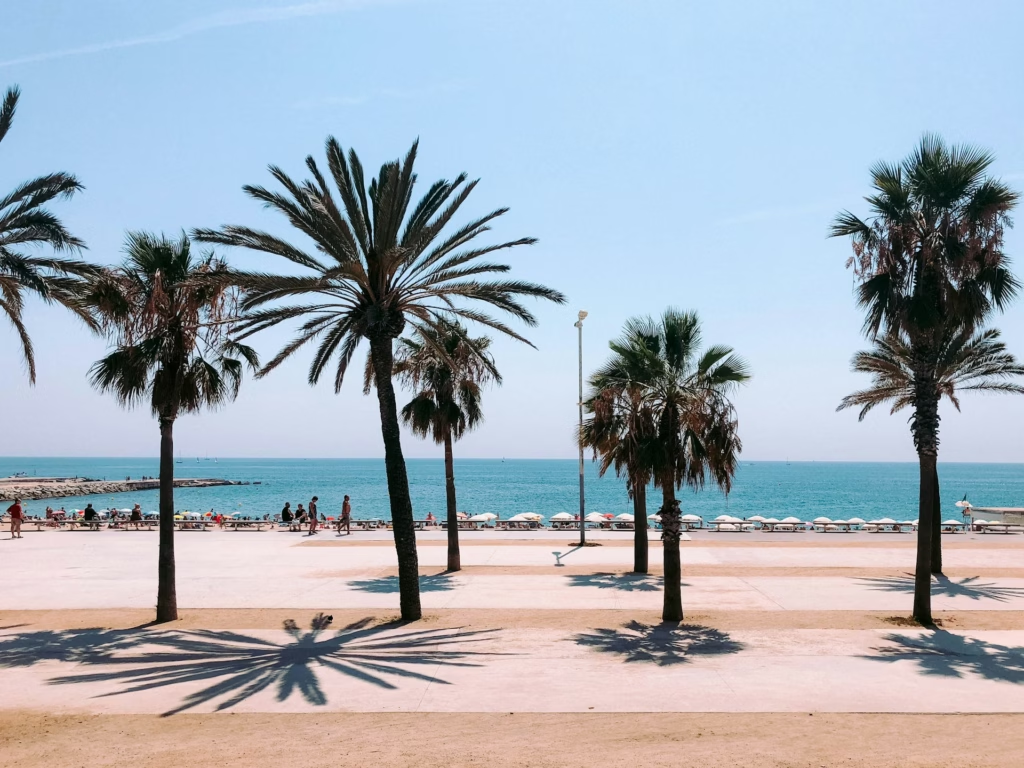
Barcelona has about 4.5 km of city beaches. Barceloneta is the most famous and the most packed. For a quieter scene, head to Platja de la Mar Bella or Platja del Bogatell, a short walk north. All are free.
| Attraction | Entry Price | Tip |
|---|---|---|
| Sagrada Família | From €26 | Book online weeks in advance — regularly sells out |
| Park Güell (Monumental Zone) | €10 | Rest of the park is free; go early |
| Casa Batlló | From €35 | Evening Magic Nights is a spectacular alternative |
| La Pedrera (Casa Milà) | From €28 | Rooftop at sunset is the highlight |
| Picasso Museum | €15 (free some Sundays) | Check website for free access times |
| MNAC (National Art Museum) | €12 | Free first Sunday of month and Saturdays after 3 PM |
| Camp Nou (FC Barcelona) | From €28 | Museum + stadium tour; check renovation status |
Where to Stay in Barcelona
Choosing where to stay in Barcelona is one of the biggest decisions you’ll make. Barcelona’s strict limits on new tourist apartments and hotel licences keep supply tight and prices higher than in many European cities.
| Neighbourhood | Vibe | Best For | Notes |
|---|---|---|---|
| Gothic Quarter | Historic, busy | First-timers, sightseeing | Central but noisy; higher hotel prices |
| Eixample | Elegant, walkable | Gaudí lovers, dining, LGBTQ+ | Wide boulevards; great transport links |
| El Born / Sant Pere | Trendy, arty | Culture, food, local feel | Close to Picasso Museum and beaches |
| Gràcia | Bohemian, local | Families, longer stays | 20–40% cheaper than Gothic; charming squares |
| Barceloneta | Beachy, lively | Beach lovers, nightlife | Loud in summer; great waterfront access |
| Poble Sec / Sant Antoni | Up-and-coming | Budget-savvy, foodies | Good tapas bars; easy Montjuïc access |
Budget tip: Staying in Gràcia, Poble Sec, or Sant Antoni rather than the Gothic Quarter typically saves 20–40% on accommodation while keeping you within easy metro distance of the sights. Hostel dorm beds start from around €25–35 per night in shoulder season; private hotel rooms from €80–100. Note that from April 1, 2026, Barcelona’s tourist tax doubled — now €3.25–€6.75 per person per night depending on accommodation category, so factor this into your budget.
How to Get Around Barcelona
Learning how to get around Barcelona is straightforward, and this Barcelona travel guide explains it all. The public transport network is excellent and covers virtually everywhere you’ll want to go.
| Mode | Cost | Notes |
|---|---|---|
| Metro | €2.55 single / €13 T-Casual (10 trips) | Fastest way across the city; 8 lines |
| Bus | Same as metro (T-Casual valid) | Good for areas metro doesn’t reach; NitBus runs all night |
| Hola Barcelona Card | €17.50 (48h) to €33.70 (120h) | Unlimited public transport incl. airport; best for intensive sightseers |
| Aerobus | €7.45 one-way / €13.35 return | Direct airport shuttle to Plaça Catalunya; ~35 min |
| Taxi / Bolt / Cabify | Metered; ~€35–45 airport to centre | Avoid for airport — metro or Aerobus is much cheaper |
| Bicing (bike share) | €47/year or day-use rates | Great for locals and longer-stay visitors |
For most visitors staying 3–5 days, the T-Casual card (10 trips, €13) covers daily metro and bus use comfortably. Barcelona is also one of Europe’s most walkable cities — the Gothic Quarter, El Born, Barceloneta, and the lower Eixample are all easily covered on foot.
Barcelona Travel Guide: Daily Budget
| Traveller Type | Daily Budget (per person) | What’s Included |
|---|---|---|
| Budget | €60–80 | Hostel dorm, local eats, public transport, free sights |
| Mid-range | €110–160 | Private hotel/Airbnb, restaurants, paid attractions |
| Luxury | €350+ | Boutique hotel, fine dining, private tours |
The Barcelona daily budget for a mid-range traveller sits around €110–160 per person per day, based on current 2025–2026 data. Budget travellers who stay in hostels, use the T-Casual metro card, eat at local spots, and focus on free sights can manage €60–80. Luxury travellers should plan for €350 or more.
Key costs to factor in:
- Hostel dorm bed: €25–40 per night (more in peak season)
- Mid-range private hotel: €80–160 per night
- Menu del día (3-course lunch with wine): €12–18 — the single best way to eat well cheaply
- Coffee at the bar: €1.50–2 (terrace can add €0.50–1 more)
- Beer at a local bar: €2.50–4 (tourist-strip bars charge up to double)
- Sagrada Família entry: from €26
- Metro T-Casual (10 trips): €13
- Tourist tax: €3.25–€6.75 per person per night (mandatory, paid at check-in from April 2026)
Money-saving tips: Always eat lunch rather than dinner at sit-down restaurants — the menu del día is a set 3-course lunch with a drink, and it’s how locals eat. Sit at the bar rather than a terrace (surcharges of 10–15% are standard outdoors). Book all major attractions online in advance. The MNAC and Picasso Museum both have free-access periods — check before visiting.
Check out Is Barcelona Expensive? 2026 Cost Guide for Budget-Savvy Travelers
Store Your Luggage in Barcelona with Radical Storage
Barcelona’s combination of early check-ins, long travel days, and packed itineraries means you’ll often be stuck with bags at the wrong time. Arriving before your hotel room is ready? Doing a late-night flight after checkout? Don’t waste hours anchored to your luggage.
Radical Storage has secure, convenient luggage storage locations across Barcelona — near the Gothic Quarter, Eixample, Gràcia, Barceloneta, and the main transport hubs. Drop your bags, explore hands-free, and pick them up when you’re ready. Every bag is insured up to €10,000, and booking takes under a minute via the app or website.
Barcelona Travel Tips
Here are the most useful barcelona travel tips from people who know the city well.
- Book Sagrada Família well in advance. Tickets regularly sell out 2–4 weeks ahead in peak season. Use the official website (sagradafamilia.org), not third-party resellers.
- ETIAS requirement in 2026. US, Canadian, Australian, and other non-Schengen visitors will likely need to apply for an ETIAS travel authorisation before entering Spain. Check the official ETIAS website before your trip.
- Watch for pickpockets on Las Ramblas. It’s one of the most pickpocketed streets in Europe. Keep bags in front and be especially alert around La Boqueria.
- Sit inside to save money. Eating or drinking on a terrace adds a 10–15% surcharge at most bars and restaurants. Sitting at the bar is cheapest and most local.
- Tipping is not expected. Rounding up or leaving small change is fine; 10% is generous but never obligatory.
- Avoid Euronet ATMs. These charge high fees and use poor exchange rates. Use your bank card at a bank ATM instead.
- Catalan is the primary language, not Spanish. Signs and menus are often in Catalan first. A few words — gràcies, bon dia — go a long way.
- Decline the bread basket. Many restaurants bring bread automatically and charge €1.50–3 per person. You can decline it: “no queremos pan, gracias.”
- Take the metro from the airport, not a taxi. The metro costs €5.90 and takes ~40 minutes. The Aerobus (€7.45) is faster and drops you at Plaça Catalunya.
Day Trips from Barcelona
Some of the best day trips from Barcelona are just 40–100 km away and fully reachable by public transport.
| Destination | Distance | Journey Time | Best For |
|---|---|---|---|
| Montserrat | 55 km | ~1 hr (train + rack railway) | Mountain monastery; dramatic scenery; hiking |
| Sitges | 35 km | ~40 min (train) | Charming beach town; great food; relaxed vibe |
| Girona | 100 km | ~40 min (high-speed train) | Medieval old town; Game of Thrones filming location |
| Costa Brava | ~90 km | ~1.5 hrs (train/bus) | Rugged coves, clear water, charming villages |
| Tarragona | 100 km | ~1 hr (train) | Roman amphitheatre and ruins; much less crowded |
| Penedès Wine Region | ~40 km | ~45 min (train) | Cava and wine tasting; easy half-day |
Montserrat is the most popular day trip: the rack railway up to the monastery is an experience in itself, and hiking trails that most visitors skip offer spectacular ridge walks — go early to beat the tour groups. Sitges is quicker and more relaxed — charming coastal town with excellent restaurants and a strong local character. Girona is underrated and beautiful; the high-speed train from Barcelona takes just 40 minutes.
Upcoming Events in Barcelona 2026
Barcelona’s events calendar in 2026 is one of the richest in the city’s recent history, anchored by the UNESCO World Capital of Architecture designation and the centenary of Gaudí’s death.
| Event | Dates | Location | What to Expect |
|---|---|---|---|
| Llum BCN (Light Festival) | Feb 6–8, 2026 | Poblenou | Large-scale illuminated art installations across the neighbourhood |
| Santa Eulàlia + Carnival | Feb 12–18, 2026 | City-wide | Winter festival with giants and human towers meets carnival parades |
| Sant Jordi (Catalan Valentine’s) | Apr 23, 2026 | City-wide | Streets fill with rose and book stalls — incredibly photogenic |
| Primavera Sound | Jun 4–7, 2026 | Parc del Fòrum | Headliners: The Cure, Gorillaz, Doja Cat, Massive Attack |
| Sónar Festival | Jun 18–20, 2026 | Fira Gran Via + city | Electronic music and digital arts; Sónar by Day and Sónar by Night |
| Gaudí Centenary | Jun 10, 2026 | Sagrada Família | 100th anniversary of Gaudí’s death; Tower of Jesus Christ inauguration |
| Tour de France Grand Départ | Jul 4–5, 2026 | City-wide | Historic first — Barcelona hosts the start of the Tour de France |
| Festa Major de Gràcia | Aug 15–21, 2026 | Gràcia neighbourhood | Streets decorated by residents; free concerts; beloved by locals |
| La Mercè Festival | Sep 19–24, 2026 | City-wide | Barcelona’s biggest annual festival: fire-runs, human towers, free concerts |
Primavera Sound (June 4–7) is already one of the most anticipated music events in Europe this year. The Tour de France Grand Départ on July 4–5 is historic — the first time Barcelona has hosted the start of the world’s most famous cycling race. La Mercè in late September, always free and always spectacular, remains the single best reason to time your trip around a specific date. Check the official calendar at meet.barcelona for the most current listings.
What to Eat and Drink in Barcelona
Food is a crucial aspect of our Barcelona travel guide. Barcelona’s food scene is one of its greatest assets. The Catalan kitchen is distinct from standard Spanish cuisine — pa amb tomàquet (bread rubbed with tomato and olive oil) appears at every table, and the emphasis on fresh seafood and local produce is everywhere.
- Pa amb tomàquet: Bread rubbed with ripe tomato and drizzled with olive oil. Appears at every Catalan table. Simple and essential.
- Croquetes: Creamy béchamel croquettes — ham, salt cod, or mushroom. Order these at every tapas bar.
- Patatas bravas: Fried potatoes with aioli and salsa brava. The Barcelona version uses both sauces simultaneously.
- Fideuà: Like paella but made with short noodles instead of rice. Best eaten in Barceloneta.
- Crema catalana: The original crème brûlée — lighter and more citrusy than the French version.
- Cava: Catalan sparkling wine from the Penedès region. Cheap, excellent, and available everywhere. A glass typically costs €3–5.
Where to eat well without overspending: The menu del día (€12–18 for 3 courses including a drink) is the best-value meal in the city, available Monday to Friday at lunch. Bar Calders in Sant Antoni, El Xampanyet in El Born, and Quimet i Quimet in Poble Sec are all beloved by locals and well worth finding.
Barcelona Travel Guide: In a Nutshell
Few cities in the world match Barcelona’s combination of world-class architecture, excellent food, a real beach, and nightlife that’s genuinely among the best in Europe. It rewards those who go beyond the main sights: the neighbourhoods, the market bars, the free sunset from Bunkers del Carmel overlooking the whole city. With this Barcelona guide, you have everything you need to plan a trip that’s memorable rather than just exhausting.
Loved the Barcelona Travel Guide? For more European travel inspiration, visit our travel blog.