
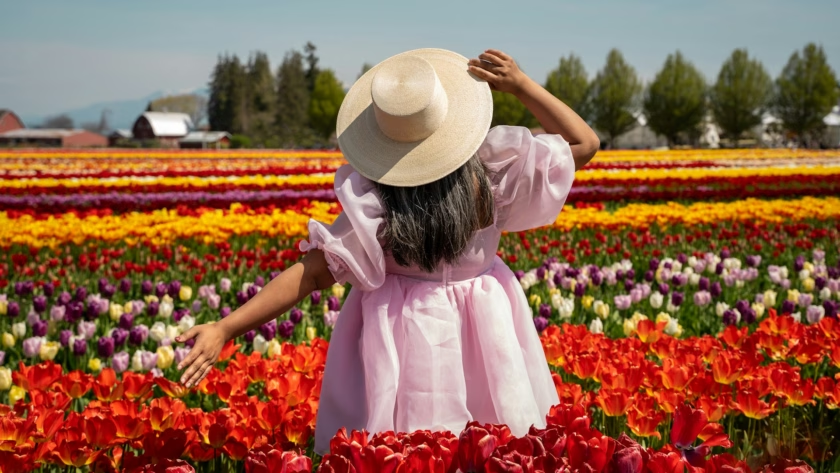
The Seattle Tulip Festival 2026 brings millions of tulips blooming across Skagit Valley fields from April 1-30, creating the Pacific Northwest’s most spectacular spring display. While technically the tulip festival Seattle happens 60 miles north in Mount Vernon and La Conner, this 60-minute drive from downtown Seattle delivers visitors to 300+ acres of colorful rows featuring over 100 tulip varieties across five distinct farms.
When is Tulip Festival in Seattle?
When is tulip festival in Seattle? The Skagit Valley Tulip Festival runs April 1-30, 2026. The tulip festival Seattle 2026 dates cover the full month, though bloom timing depends on the weather. Mild winter temperatures mean 2026 blooms arrive earlier than typical years, with Tulip Town opening March 28, four days before the official festival start.
Peak bloom typically occurs mid-April (April 14-20), when the most varieties show maximum color simultaneously. Early April features daffodils alongside early tulip varieties. Late April shifts toward later-blooming tulips and specialty flowers. The Tulip Festival Seattle 2026 schedule includes special events throughout the month:
| Date | Event |
| March 28 | Tulip Town early opening (due to warm winter) |
| April 1 | Festival officially opens all farms |
| April 5, 2:00 PM | Annual Tulip Festival Parade in La Conner (includes Daffodil Pet Parade) |
| April 14-20 | Projected peak bloom week (weather dependent) |
| April 30 | Festival ends (Tulip Town extends to May 4) |
Seattle Tulip Festival 2026 Tickets Price
The Seattle Tulip Festival 2026 tickets price varies by farm and date. The festival itself requires no admission; driving through Skagit Valley and viewing fields from roadsides costs nothing. However, entering individual tulip gardens requires tickets purchased separately for each farm:
| Farm | Adult Price | Kids Price | Free Age |
| Tulip Town | $18-21 | $10 (6-11) | 5 & under |
| RoozenGaarde | $16-20 | N/A | 2 & under |
| Garden Rosalyn | $17-18 | $15 | 11mo & under |
| Tulip Valley Farms | $16-18 | $10-12 (3-15) | 2 & under |
| Skagit Acres | $12-15 | Varies | TBD |
Prices fluctuate by day (weekends cost more) and time (peak season rates apply mid-April). Purchase tickets online in advance through each farm’s website to guarantee entry and sometimes secure discounts. Season passes offering unlimited visits range $50-80.
Seattle to Skagit Valley Tulip Festival
Seattle to Skagit Valley Tulip Festival covers approximately 60 miles north via Interstate 5. How far is Skagit Valley from Seattle? The drive takes 60-90 minutes, depending on traffic and your destination farm.
Driving Directions
From downtown Seattle, take I-5 North to exit 221 (Tulip Town), exit 226 (La Conner/Whitney), or exit 230 (RoozenGaarde). Farms cluster around Mount Vernon and Conway. GPS navigation works reliably, though weekend traffic creates backups through the valley.
Peak weekend traffic: Expect heavy congestion approaching farms Saturday-Sunday 10am-3pm. Arrive before 9am or after 4pm for easier parking. Highway 20 and La Conner-Whitney Road experience the worst delays.
Tours from Seattle
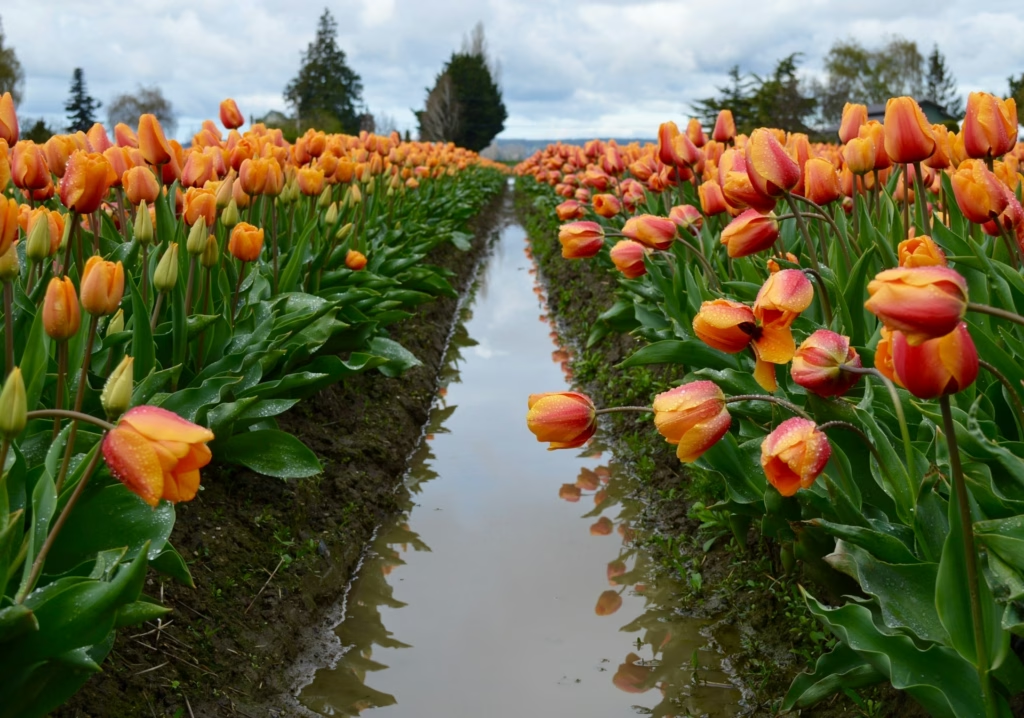
Guided tours eliminate driving stress. Shutter Tours operates luxury mini-coach trips departing Seattle Hyatt Regency (808 Howell St) at 7:30 AM, returning at 4:30 PM. The $126 per person rate includes transportation, narrated tour, RoozenGaarde admission, and photography tips. Tours run April 8-25 based on bloom timing.
Wanderlie luxury transportation offers $69 roundtrips from downtown Seattle or Bellevue Factoria Mall directly to Tulip Town, including garden admission.
The Five Tulip Farms
Each tulip festival in Seattle farm offers distinct experiences:
Tulip Town
Family-friendly 30-acre farm featuring 55+ varieties across 6 acres of display gardens. Vintage trolley rides loop through fields (weather permitting). The beer and wine garden serves adults 21+. Open Mon-Thu 10am-6pm, Fri-Sun 9am-7pm through May 4. Pet-friendly on leash.
RoozenGaarde
World-renowned 5-acre show garden featuring 1 million bulbs representing 200+ varieties. The Roozen family’s bulb-growing heritage dates to the 1700s in Holland. Professional photographers favor this location for manicured displays. Open Mon-Fri 9am-7pm, Sat-Sun 8am-7pm year-round.
Tulip Valley Farms
The West Coast’s largest u-pick tulip operation allows visitors to create custom bouquets from wide walkable rows. Micro Mini Highland Cows provide family photo opportunities. Night Bloom events (select evenings) illuminate fields with lights and music. Open 9am-6pm daily.
Garden Rosalyn
Intimate 5-acre garden emphasizing detailed design. The duck and goose pond creates a picturesque backdrop. Less crowded than larger farms. Its dog-friendly environment appeals to pet owners.
Skagit Acres (NEW 2026)
Festival’s newest addition offers budget-conscious admission ($12-15) with rustic farm atmosphere. Details emerging as 2026 approaches.
Tulip Garden Seattle vs Tulips in Seattle
Searching tulip garden Seattle or for tulips in Seattle? No major commercial tulip gardens operate within Seattle city limits. The Skagit Valley farms, 60 miles north, represent the region’s premier tulip destination. However, Seattle offers smaller-scale options:
Woodland Park Rose Garden: Smaller tulip displays bloom early April alongside roses and other spring bulbs. Free admission.
University of Washington Quad: Cherry blossoms dominate late March, with tulip plantings providing color into April. Free.
Volunteer Park Conservatory: Indoor botanical displays include limited tulip exhibitions. $4 admission.
These Seattle locations can’t match Skagit Valley’s scale. Serious tulip enthusiasts make the Skagit pilgrimage.
Tulip Fields Seattle: What to Know
- Tulip fields Seattle technically refers to Skagit Valley commercial operations. Important field etiquette:
- Never enter fields without permission: Roadside viewing is free, but walking into commercial fields damages bulbs and constitutes trespassing. Only enter the u-pick designated areas after paying admission.
- Respect private property: Many vibrant fields visible from roads belong to working farms, not open to the public. Admire from designated pullouts only.
- Don’t pick tulips illegally: Tulip theft occurs annually despite fencing and signage. Farms prosecute offenders.
- Photography etiquette: Drones are prohibited at all festival farms. Stay on designated paths. Some farms offer early-morning photography access ($30-50 permits).
Planning Your Visit to the Seattle Tulip Festival 2026
Here is everything you need to know in order to plan your best visit:
Best Time to Visit
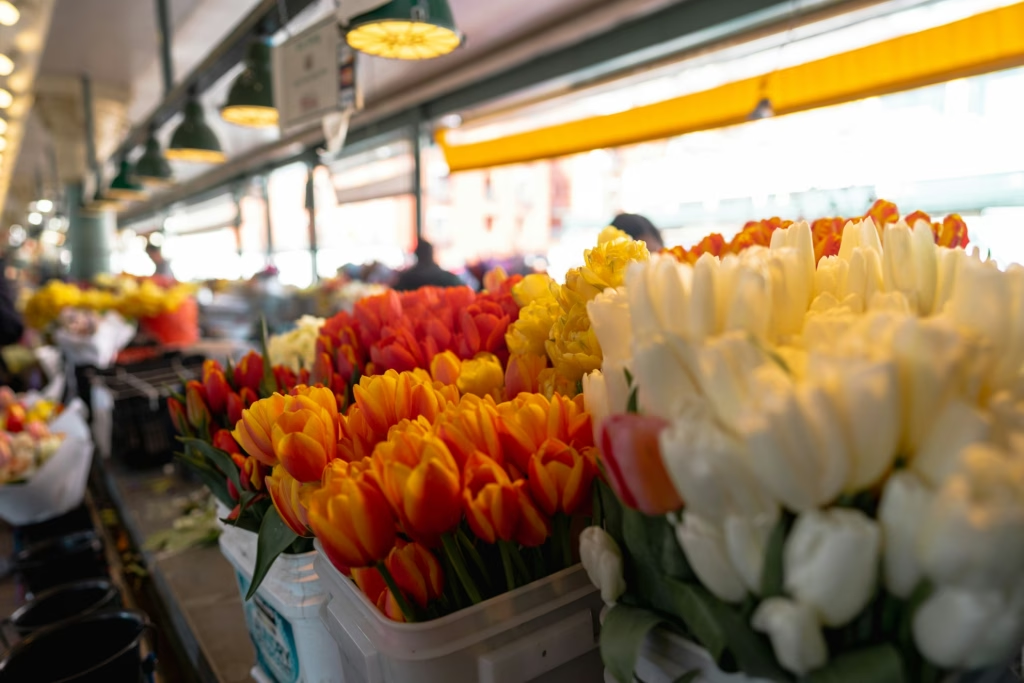
Weekday mornings (9-11am) offer optimal conditions: lighter crowds, better photography light, and full flower displays before afternoon heat. Peak bloom typically mid-April varies annually based on spring temperatures. Check tulipfestival.org bloom reports before finalizing travel.
Weather and Clothing
April Skagit Valley weather averages 45-60°F with frequent rain. Pack a waterproof jacket, layers, and closed-toe shoes. Fields turn muddy after rain; wear boots rather than sneakers. Sunny days require sunscreen and a hat.
Visiting Multiple Farms
Most visitors see 2-3 farms per day. Driving between locations takes 10-20 minutes. Popular combination: morning at RoozenGaarde (photography), lunch in La Conner, afternoon at Tulip Valley Farms (u-pick). Full-day visitors might add the Tulip Town evening beer garden.
La Conner and Mount Vernon
La Conner waterfront village offers dining, galleries, and boutiques. Reservations recommended for popular restaurants during festival. Nell Thorn Restaurant, Kerstin’s, and Seeds Bistro serve Pacific Northwest cuisine.
Mount Vernon provides practical services: groceries, gas stations, and chain restaurants. Downtown features antique shops and local eateries less crowded than La Conner.
Luggage Storage for Day Trips
Visitors combining Seattle tourism with tulip festival day trips face luggage challenges. Hotels charge full nightly rates for early check-ins or late checkouts during high-demand April. Farms prohibit large bags for security and space reasons.
Radical Storage operates throughout Seattle, including locations near Pike Place Market, Capitol Hill, and downtown hotels. Store bags €5 per day with €10,000 coverage. The app shows real-time availability at partnered businesses.
Drop luggage before 7:30 AM, take Tulip Tours, spend the day in Skagit Valley camera-ready without bag burden, then retrieve belongings before evening flights from SeaTac. Essential for visitors maximizing limited Seattle time by combining city exploration with festival attendance.
Other Seattle Spring Events 2026
- Seattle Cherry Blossom Festival (March 28-30): University of Washington Quad cherry trees peak in late March with Japanese cultural performances.
- Seattle International Film Festival (May 8-June 1): Largest film festival in North America featuring 400+ films across 25 days.
- Opening Day Seattle Boating Season (May 3): Boat parade through Montlake Cut with decorated vessels celebrating sailing season start.
FAQs
Individual farms require separate admission tickets ($12-21). The festival itself costs nothing; you can view fields from public roads for free. Entering gardens requires paid tickets purchased through each farm’s website.
Peak bloom typically mid-April (April 14-20) but varies annually. Check tulipfestival.org for real-time bloom reports before traveling. Early varieties bloom late March, later varieties extend into early May.
Policies vary by farm. Tulip Town, Tulip Valley Farms, and Garden Rosalyn welcome leashed dogs. RoozenGaarde and Skagit Acres prohibit pets. Check individual farm websites before bringing dogs.
Only at Tulip Valley Farms, which operates the valley’s sole u-pick operation. All other farms prohibit picking. Never pick from roadside fields; this constitutes theft from working farms.
Final Thoughts
The Seattle Tulip Festival 2026 delivers Pacific Northwest spring at maximum intensity. Millions of tulips blooming across the Skagit Valley create landscapes impossible to replicate elsewhere in North America. The one-hour drive north from Seattle transports visitors from an urban environment to an agricultural heartland where Dutch heritage meets Washington farming tradition.
Success requires planning for bloom timing, weekend crowds, and unpredictable weather. Book tickets early, arrive weekday mornings when possible, and respect working farms feeding commercial bulb markets worldwide. The festival celebrates agriculture as much as tourism; farms balance visitor access with the protection of crops and the supply of garden centers worldwide. Those who respect boundaries and timing constraints experience one of America’s most spectacular spring celebrations.