


Travel smart in Zurich
Find affordable luggage storage near you
Zurich is extremely expensive, consistently ranking as one of the world’s most expensive cities. In 2025, it ties with Singapore as the most expensive city globally according to the Economist Intelligence Unit’s Worldwide Cost of Living survey. With a cost of living index of 101.1, Zurich’s prices are significantly higher than most European and global destinations. Tourists can expect to spend CHF 150-200 ($170-225) per day on a budget, while residents face monthly expenses of CHF 4,000-7,000 ($4,500-7,900) excluding rent.
Despite its high prices, Zurich offers exceptional quality, efficiency, and beauty that many find worth the expense. From the pristine waters of Lake Zurich to the charming Old Town and world-class museums, this Swiss city delivers a premium experience that often justifies its premium price tag. Let’s explore exactly how expensive Zurich really is and whether it offers good value for your money.
Why is Zurich So Expensive? Understanding the High Costs
Zurich’s reputation as one of the world’s most expensive cities stems from multiple economic, geographic, and cultural factors that collectively create a perfect storm of high prices. Understanding these underlying causes helps put the city’s costs in perspective.
High Wages and Strong Economy
The most significant factor driving Zurich’s high prices is the exceptional wage level. The average monthly salary in Zurich ranges from CHF 7,000-9,000 ($7,900-10,170), among the highest in the world. These high incomes create a market where businesses can charge premium prices while still finding willing customers.
Switzerland’s strong and stable economy, anchored by banking, pharmaceuticals, and technology, further supports this high-wage environment. The unemployment rate typically hovers around 2-3%, creating a tight labor market that pushes wages upward.
The Powerful Swiss Franc
The Swiss Franc (CHF) is one of the world’s strongest and most stable currencies. This strength makes everything in Switzerland, including Zurich, relatively more expensive for visitors from countries with weaker currencies. While beneficial for Swiss citizens traveling abroad, it creates a significant cost barrier for tourists and expats.
Limited Space and Strict Regulations
Switzerland’s mountainous geography severely limits buildable land, creating housing scarcity that drives up real estate prices. Zurich, squeezed between hills and lake, faces particularly acute space constraints.
Additionally, Switzerland’s strict building regulations, environmental standards, and labor laws—while ensuring high quality—significantly increase construction and business operating costs. These regulations create barriers to entry that limit competition and keep prices high.
Is Zurich Expensive for Tourists? Vacation Cost Breakdown
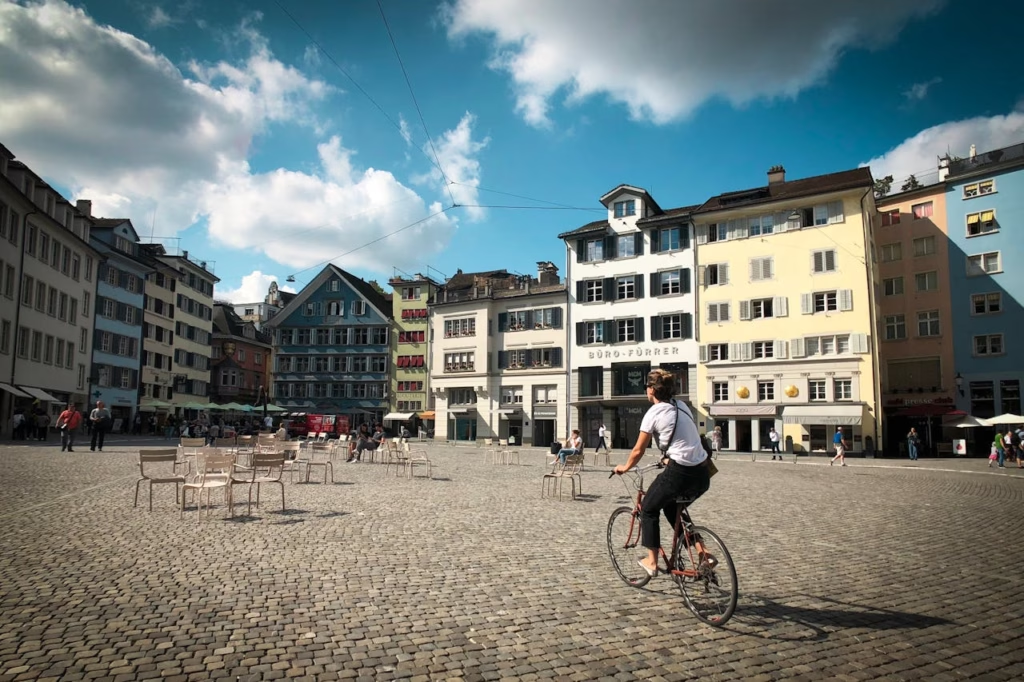
Zurich is undeniably expensive for tourists, with daily costs significantly higher than most European destinations. The average visitor spends CHF 250-350 ($280-395) per day, making it one of Europe’s priciest vacation spots. However, costs vary dramatically based on travel style, with budget options available for careful planners.
Tourist Price Comparison: Zurich vs. Other Popular European Cities
| Expense Category | Zurich | Paris | Rome | Barcelona | Berlin | Amsterdam |
|---|---|---|---|---|---|---|
| Budget hotel (per night) | CHF 150-250 ($170-280) | 25-35% cheaper | 40-50% cheaper | 45-55% cheaper | 50-60% cheaper | 20-30% cheaper |
| Mid-range hotel (per night) | CHF 250-400 ($280-450) | 20-30% cheaper | 35-45% cheaper | 40-50% cheaper | 45-55% cheaper | 15-25% cheaper |
| Restaurant meal (inexpensive) | CHF 25-35 ($28-40) | 35-45% cheaper | 50-60% cheaper | 55-65% cheaper | 60-70% cheaper | 40-50% cheaper |
| Fast food meal | CHF 15-20 ($17-23) | 30-40% cheaper | 40-50% cheaper | 45-55% cheaper | 50-60% cheaper | 35-45% cheaper |
| Coffee | CHF 4.50-7 ($5-8) | 30-40% cheaper | 50-60% cheaper | 55-65% cheaper | 60-70% cheaper | 35-45% cheaper |
| Public transport (single ticket) | CHF 4.40 ($5) | 40-50% cheaper | 60-70% cheaper | 55-65% cheaper | 60-70% cheaper | 30-40% cheaper |
| Museum entry (average) | CHF 15-25 ($17-28) | 20-30% cheaper | 30-40% cheaper | 30-40% cheaper | 40-50% cheaper | 15-25% cheaper |
| 1-day tourist budget | CHF 250-350 ($280-395) | 30-40% cheaper | 45-55% cheaper | 50-60% cheaper | 55-65% cheaper | 25-35% cheaper |
As the table clearly shows, Zurich is substantially more expensive than other popular European destinations across all categories. Even traditionally expensive cities like Paris and Amsterdam offer significantly lower prices, while destinations like Barcelona and Berlin can cost less than half what you’d pay in Zurich for comparable experiences.
Is Zurich Expensive to Visit? Daily Tourist Budget Estimates
Your daily expenses in Zurich will depend on your travel style:
- Budget traveler: CHF 150-200 ($170-225) per day
- Hostel dormitory or budget hotel
- Grocery store meals and occasional inexpensive restaurants
- Public transportation
- Selective paid attractions and many free activities
- Mid-range traveler: CHF 300-400 ($340-450) per day
- Mid-range hotel or private room
- Regular restaurant meals
- Public transportation and occasional taxis
- Several paid attractions and activities
- Luxury traveler: CHF 500+ ($565+) per day
- Luxury hotel
- Fine dining
- Taxis and private transportation
- Premium experiences and shopping
Accommodation Costs for Tourists
Accommodation represents the largest expense for most Zurich visitors:
- Hostels: CHF 40-60 ($45-68) per night for a dormitory bed
- Budget hotels: CHF 150-250 ($170-280) per night
- Mid-range hotels: CHF 250-400 ($280-450) per night
- Luxury hotels: CHF 400-800+ ($450-900+) per night
- Airbnb entire apartment: CHF 150-300 ($170-340) per night
Prices increase by 20-30% during peak summer months (June-August) and during major events and festivals. Booking 3-4 months in advance typically secures better rates.
Food and Dining Costs
Food costs in Zurich can quickly add up:
- Coffee: CHF 4.50-7 ($5-8)
- Fast food meal: CHF 15-20 ($17-23)
- Inexpensive restaurant meal: CHF 25-35 ($28-40)
- Mid-range restaurant (three-course dinner for two): CHF 100-150 ($113-170)
- Beer (0.5L): CHF 6-9 ($7-10)
Many hotels offer breakfast, which typically costs CHF 15-30 ($17-34) if purchased separately. Lunch specials (CHF 20-25) often provide better value than dinner at the same establishments.
Is Zurich Expensive to Eat Out? Food and Restaurant Costs
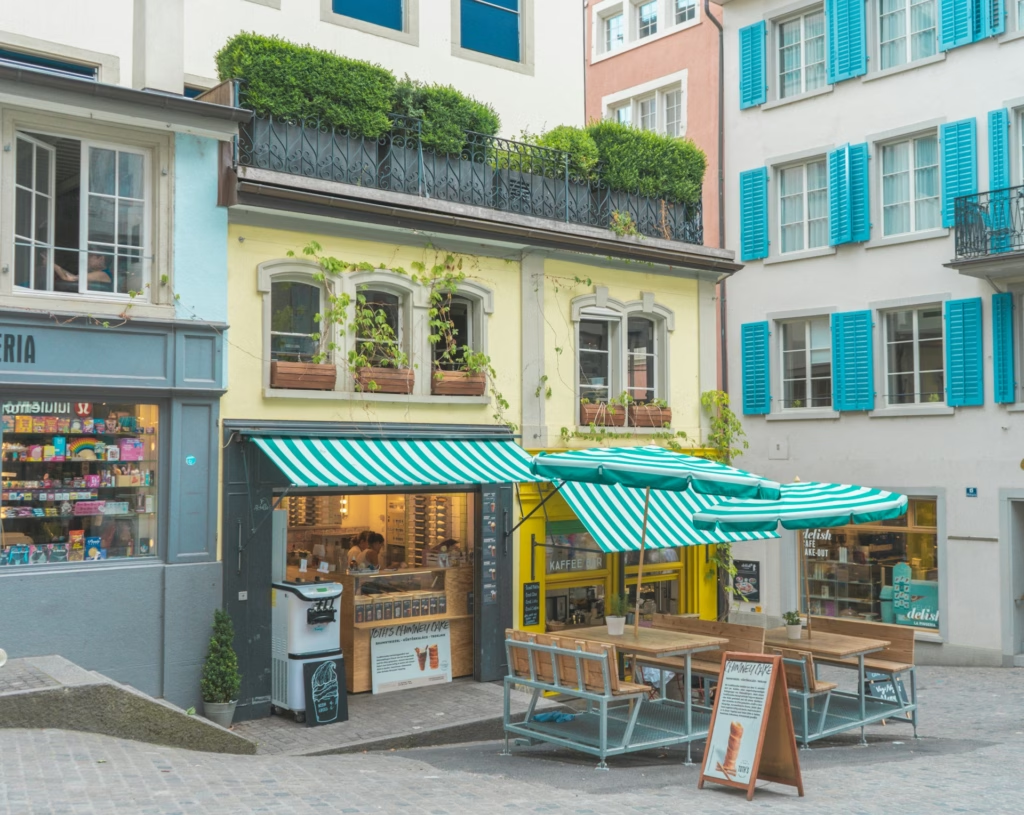
Zurich is notoriously expensive for dining out, with restaurant prices that rank among the highest in the world. A basic meal at an inexpensive restaurant costs CHF 25-35 ($28-40), approximately 2-3 times higher than in many European capitals. However, the city offers dining options across all price points, and the quality of food generally matches the premium prices.
Budget Dining Options and Prices
Even budget dining in Zurich comes with a significant price tag:
- Street food stands: CHF 10-15 ($11-17) for sausages, sandwiches, or falafel
- Takeaway kebab or sandwich: CHF 10-15 ($11-17)
- Fast food chains: CHF 15-20 ($17-23) for a combo meal
- University cafeterias (often open to public): CHF 12-18 ($14-20)
- Lunch specials at casual restaurants: CHF 20-25 ($23-28)
Budget-conscious travelers often rely on supermarket prepared foods, with stores like Migros and Coop offering relatively affordable ready-to-eat options.
Supermarket and Grocery Prices
Self-catering can reduce food costs significantly, though Zurich’s grocery prices remain high by international standards:
- Milk (1L): CHF 1.60-2.20 ($1.80-2.50)
- Bread (500g): CHF 2.50-4.50 ($2.80-5)
- Eggs (12): CHF 5-7 ($5.60-8)
- Cheese (1kg): CHF 20-30 ($23-34)
- Chicken breast (1kg): CHF 20-30 ($23-34)
Discount supermarkets like Aldi, Lidl, and Denner offer prices 10-30% lower than the major chains (Migros and Coop).
Is Zurich Expensive for Accommodation? Hotel and Housing Costs
Accommodation in Zurich ranks among the most expensive in the world, with hotel rates and rental prices that surpass most European capitals. The average hotel night costs CHF 250-350 ($280-395), while monthly apartment rentals start at CHF 1,700 ($1,900) for a one-bedroom unit. These high costs reflect Zurich’s limited space, strict building regulations, and status as a global financial center.
Neighborhood Price Variations
Accommodation costs vary significantly by neighborhood:
- District 1 (Old Town/City Center): Premium prices, most convenient for tourists
- Districts 2 and 8 (Lake Zurich shoreline): Expensive, scenic locations
- District 4 (Langstrasse area): Slightly lower prices, vibrant nightlife
- District 5 (former industrial area): Trendy, mid-range prices
- Districts 3, 6, 9, 10, 11, 12: Generally lower prices, residential areas
- Suburbs (Oerlikon, Altstetten, Schlieren): 15-30% cheaper than city center
Staying outside the city center can save 20-30% on accommodation costs, with excellent public transportation making commuting easy.
Is Zurich More Expensive Than London? Detailed Comparison
Zurich and London are both renowned for their high costs, but which city truly deserves the title of Europe’s most expensive? Based on 2025 data, Zurich is generally 7-32% more expensive than London overall, though the exact difference varies by category and neighborhood. While London has higher property prices in prime areas, Zurich has significantly higher costs for everyday expenses like groceries, dining, and local transportation.
Food and Restaurant Price Comparison
Dining and grocery costs show Zurich’s premium pricing:
- Inexpensive restaurant meal: Zurich (CHF 25-35/$28-40) vs. London (£15-25/$19-31)
- Mid-range restaurant (dinner for 2): Zurich (CHF 100-150/$113-170) vs. London (£60-100/$75-125)
- Fast food combo meal: Zurich (CHF 15-20/$17-23) vs. London (£7-10/$9-12)
- Coffee: Zurich (CHF 4.50-7/$5-8) vs. London (£3-4.50/$3.70-5.60)
- Beer (0.5L): Zurich (CHF 6-9/$7-10) vs. London (£5-7/$6.20-8.70)
Food costs in Zurich are consistently 30-60% higher than in London, representing one of the biggest differences between the two cities.
Transportation Cost Comparison
Public transportation shows significant price differences:
- Single ticket: Zurich (CHF 4.40/$5) vs. London (£2.50-3.50/$3.10-4.40)
- Monthly pass: Zurich (CHF 85-100/$96-113) vs. London (£140-210/$174-261)
- Taxi start: Zurich (CHF 6-8/$7-9) vs. London (£3-4/$3.70-5)
- Taxi per km: Zurich (CHF 3-4/$3.40-4.50) vs. London (£1.50-2.50/$1.90-3.10)
Zurich has higher single-ticket prices but more affordable monthly passes. London’s complex zone system means transportation costs vary significantly based on commute distance.
Is Zurich Expensive to Live In? Resident Cost Analysis

Zurich is extremely expensive to live in, with a cost of living that ranks among the highest in the world. The average single person spends approximately CHF 4,000-5,500 ($4,500-6,200) per month excluding rent, while a family of four requires CHF 8,000-10,000 ($9,000-11,300) monthly before housing costs. These high expenses are partially offset by Zurich’s exceptional salaries, with the average worker earning CHF 7,000-9,000 ($7,900-10,170) per month.
Average Rent and Housing Costs
Housing represents the largest expense for Zurich residents:
- Studio apartment (city center): CHF 1,300-1,800 ($1,470-2,030) monthly
- One-bedroom apartment (city center): CHF 1,700-2,500 ($1,900-2,800) monthly
- One-bedroom apartment (outside center): CHF 1,300-1,800 ($1,470-2,030) monthly
- Three-bedroom apartment (city center): CHF 3,000-4,500 ($3,390-5,080) monthly
- Three-bedroom apartment (outside center): CHF 2,200-3,200 ($2,480-3,610) monthly
The rental market in Zurich is extremely competitive, with desirable properties receiving dozens of applications. Many residents expand their search to neighboring communities to find more affordable options.
Average Salaries and Purchasing Power
Zurich’s high costs are partially offset by high salaries:
- Average monthly salary (net): CHF 6,000-7,500 ($6,780-8,470)
- Entry-level professional: CHF 4,500-6,000 ($5,080-6,780)
- Mid-career professional: CHF 7,000-10,000 ($7,900-11,300)
- Senior professional/management: CHF 10,000-15,000+ ($11,300-16,950+)
While salaries are high, the purchasing power is diminished by the high cost of living. However, after accounting for taxes and mandatory deductions, most professionals in Zurich still enjoy a good standard of living compared to other European cities.
Money-Saving Tips for Zurich: How to Visit on a Budget
While Zurich is undeniably expensive, strategic planning can significantly reduce costs without compromising your experience. With careful choices and local insights, you can enjoy this premium Swiss city without breaking the bank.
Accommodation Strategies
Lodging represents your largest expense in Zurich, but several approaches can reduce costs:
- Stay outside the city center: Districts 3, 4, 9, 11, and 12 offer lower rates with excellent public transport connections
- Consider hostels with private rooms: Often cheaper than hotels with similar privacy
- Book well in advance: Secure better rates by booking 3-4 months ahead
- Visit during low season: November and January-March offer 10-25% lower rates
Dining Strategies
Food costs can quickly inflate your budget, but these approaches help:
- Lunch specials: Many restaurants offer set lunch menus (Tagesmenu) for CHF 20-25, significantly cheaper than dinner
- Self-cater breakfast: Buy groceries for morning meals
- Picnic lunches: In good weather, enjoy lake and park picnics with supermarket supplies
- University cafeterias: Open to the public with meals for CHF 12-18
- Ethnic restaurants: Generally more affordable than traditional Swiss establishments
Transportation Strategies
Zurich’s transportation costs can be managed with these approaches:
- Zurich Card: Offers unlimited public transport plus museum discounts (24-hour: CHF 27/$30, 72-hour: CHF 53/$60)
- Day passes: More economical than individual tickets for multiple journeys
- Walk the compact center: Many attractions are within walking distance
- Avoid taxis: They’re extremely expensive in Zurich
Is Zurich Expensive? The Final Verdict
Yes, Zurich is undeniably one of the world’s most expensive cities in 2025. Whether you’re visiting as a tourist or living as a resident, you’ll face premium prices across virtually all categories—from accommodation and food to transportation and entertainment. Even budget travelers should expect to spend at least CHF 150-200 ($170-225) daily, while residents need substantial incomes to maintain a comfortable lifestyle.
However, Zurich’s high prices generally deliver correspondingly high quality. The city offers exceptional cleanliness, safety, efficiency, and beauty. Public services function flawlessly, infrastructure is impeccably maintained, and the overall quality of life consistently ranks among the world’s highest. For many visitors and residents, these advantages justify the premium costs.
Strategic planning can make Zurich more affordable. Staying outside the city center, visiting during low season, taking advantage of lunch specials, and using public transportation can significantly reduce expenses without compromising your experience. For residents, the high salaries partially offset the high costs, making the city more financially manageable than it initially appears.
Whether Zurich is “worth it” depends on your priorities and budget. For those who value efficiency, cleanliness, safety, and natural beauty, Zurich delivers exceptional value despite its high costs. And don’t forget to store your luggage in Zurich with Radical Storage while exploring the city without the burden of heavy bags.
