
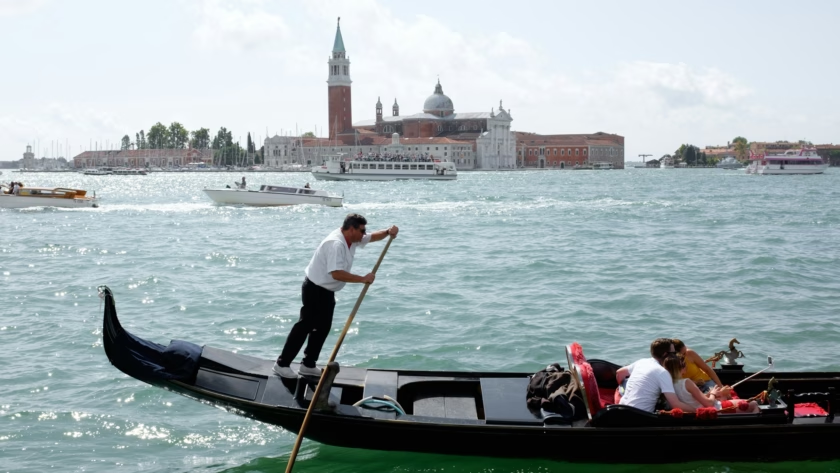
Venice, with its labyrinth of canals, historic architecture, and romantic gondola rides, has long been considered one of the world’s most enchanting destinations. Yet, as its popularity has soared, so too have the voices claiming that the “Floating City” is nothing more than an overpriced, overcrowded tourist trap. Is Venice overrated, or does it still hold the magic that has captivated travelers for centuries? Shortly, Venis is not overrated but it’s not for everyone. This comprehensive guide explores the reality behind the romantic façade to help you decide whether Venice deserves a spot on your travel bucket list in 2025.
The Venice Expectation vs. Reality
Venice occupies a special place in our collective imagination—a city of serene canals, elegant gondoliers, and timeless beauty. Travel brochures and Instagram feeds showcase picture-perfect scenes of sunlight dancing on tranquil waterways and couples enjoying romantic gondola rides against the backdrop of Renaissance architecture.
However, many visitors report a jarring disconnect between this idealized image and the reality they encounter. Understanding both the enchanting allure and the disappointing aspects of Venice is essential for any traveler considering a visit in 2025.
What Makes Venice Special: The Undeniable Magic
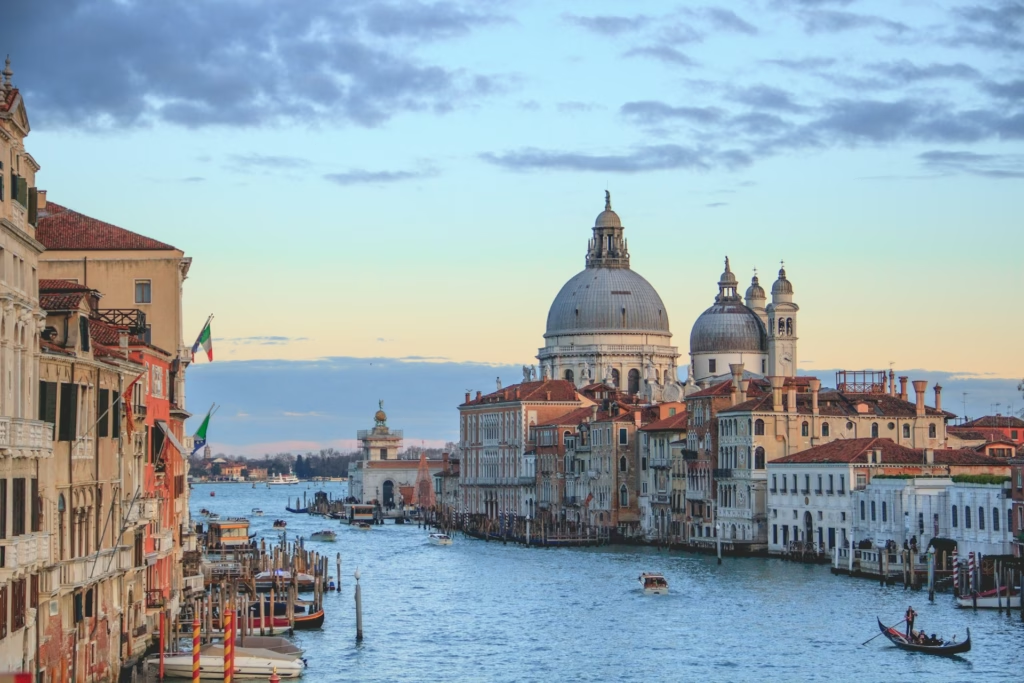
1. Unparalleled Architectural and Historical Significance
Venice’s architectural heritage is truly extraordinary. The city is essentially an open-air museum, with buildings dating back to the Byzantine, Gothic, Renaissance, and Baroque periods. St. Mark’s Basilica, with its ornate Byzantine domes and mosaics, and the Doge’s Palace, with its distinctive Venetian Gothic style, stand as testaments to the city’s artistic and cultural significance.
The city’s unique urban planning—a network of 118 islands connected by over 400 bridges—represents one of humanity’s most remarkable engineering achievements. The fact that these structures have survived for centuries in a lagoon environment makes them all the more impressive.
2. A Truly Unique Urban Experience
There is simply nowhere else in the world quite like Venice. The complete absence of cars and roads creates an atmosphere that transports visitors to another time. The gentle lapping of water against buildings, the echo of footsteps through narrow alleyways, and the distinctive rhythm of life on the water offer an experience that cannot be replicated elsewhere.
As one visitor noted on Reddit, “Even with all its flaws, there’s something magical about getting lost in Venice’s maze-like streets and suddenly emerging onto a quiet canal where the only sound is water against stone.”
3. Rich Cultural Heritage and Artistic Legacy
Venice’s contributions to art, music, and culture are immeasurable. The city was home to master painters like Titian, Tintoretto, and Veronese, whose works can still be admired in churches and museums throughout the city. The tradition of Venetian glassmaking on Murano Island continues to this day, producing exquisite works of art using techniques passed down through generations.
The Venice Biennale, one of the world’s most prestigious cultural institutions, continues to showcase contemporary art, architecture, cinema, and dance, keeping Venice relevant in the global cultural conversation.
4. Hidden Gems Beyond the Tourist Crowds
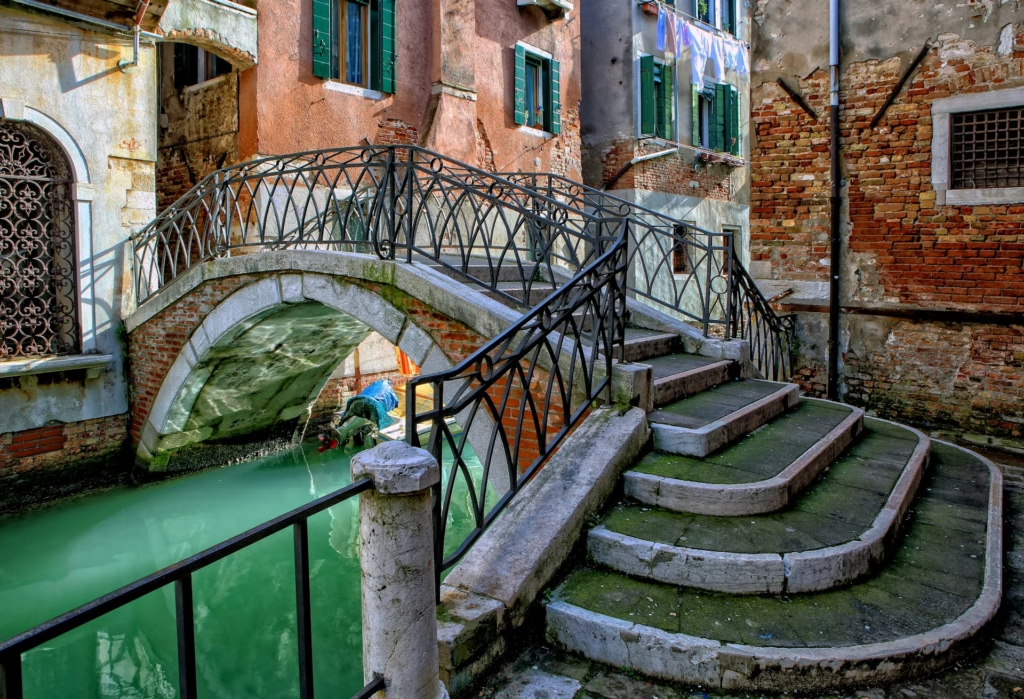
While the main attractions draw massive crowds, Venice rewards those willing to venture off the beaten path. Neighborhoods like Cannaregio and Dorsoduro offer glimpses of authentic Venetian life, with locals going about their daily routines away from the tourist hordes.
Burano Island, with its brightly colored houses reflecting in the canals, provides a visual feast that many consider even more charming than Venice proper. The Secret Supper Club offers private dining experiences that combine culinary delights with cultural immersion, while the Libreria Acqua Alta bookstore—with books stored in bathtubs and gondolas to protect them from flooding—showcases Venetian ingenuity and resilience.
The Criticisms: Why Many Consider Venice Overrated
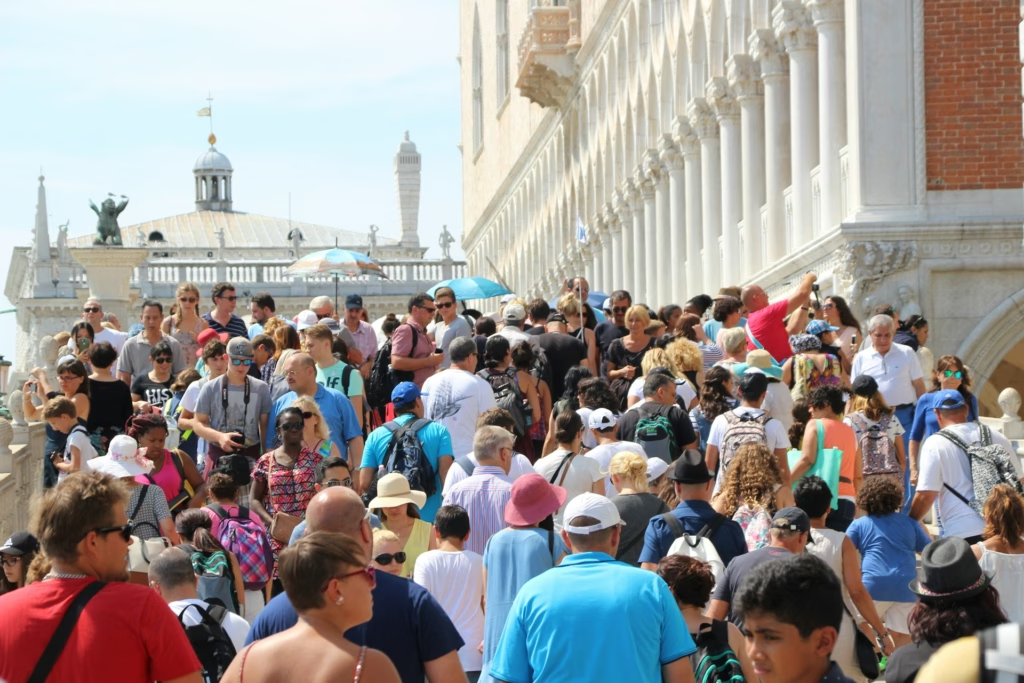
1. Overwhelming Crowds and Overtourism
Perhaps the most common complaint about Venice is the sheer volume of tourists. With approximately 30 million visitors annually crowding into a city of just over 50,000 permanent residents, the congestion in popular areas can be suffocating, especially during peak season.
As one disillusioned traveler described on Camels & Chocolate: “We were salmon swimming upstream, no matter which tight alley we turned down.” The crowds are particularly intense around St. Mark’s Square and the Rialto Bridge, where moving at your own pace becomes virtually impossible during high season.
2. Exorbitant Prices and Tourist Traps
Venice’s reputation for high prices is well-earned. From the infamous €80 gondola rides (which can rise to €100 in the evening) to the €11 beers in St. Mark’s Square, visitors often experience severe sticker shock. Water taxis can charge upwards of €100 for a 20-minute ride, and many restaurants near tourist hotspots offer mediocre food at inflated prices.
Many visitors feel they’re seen primarily as walking wallets rather than guests. As one traveler noted, “Everything is designed to extract maximum money from tourists with minimum effort or quality.”
3. Environmental and Authenticity Concerns
Venice faces serious environmental challenges, including increasingly frequent flooding (acqua alta), pollution from cruise ships, and the physical damage caused by millions of tourist footsteps. The city’s population has declined dramatically as locals are priced out by tourism-focused development.
This exodus of residents has led many to describe Venice as a “theme park” or “museum city” rather than a living, breathing urban center. Some visitors find that this loss of authenticity diminishes the experience, leaving them with the impression of visiting a hollow shell rather than a vibrant community.
4. Sensory Unpleasantness
Venice can assault the senses in unexpected ways. During summer months, the combination of heat, humidity, and stagnant canal water creates distinctive odors that many find unpleasant. As one blogger bluntly put it: “It’s dirty. It’s crowded. It stinks (literally).”
The narrow streets amplify noise from tourist groups, and the constant jostling in crowded areas can make the experience physically uncomfortable, especially for those who dislike crowds or have mobility issues.
Finding Balance: Is Venice Worth Visiting in 2025?
The answer to whether Venice is overrated depends largely on your expectations, travel style, and when you visit. Venice is neither entirely magical nor completely disappointing—it’s a complex destination that offers different experiences to different travelers.
Who Might Find Venice Worthwhile:
- History and architecture enthusiasts who appreciate the extraordinary preservation of centuries-old buildings and urban planning
- Art lovers seeking to experience masterpieces in their original settings
- Off-season travelers who visit during quieter months (November-February, excluding Carnival)
- Early risers willing to explore before the day-trippers arrive
- Travelers willing to venture beyond the main attractions to discover authentic neighborhoods and experiences
Who Might Find Venice Overrated:
- Budget-conscious travelers unprepared for the high costs
- Summer visitors contending with peak crowds, heat, and odors
- Day-trippers with only enough time to see the most crowded attractions
- Those seeking authentic local culture without making efforts to find it away from tourist centers
- Travelers with mobility issues who may struggle with the numerous bridges and narrow streets
Key Findings: The Verdict on Venice in 2025
Venice is neither entirely overrated nor underrated—it’s a destination that requires thoughtful planning and realistic expectations. The disappointment some travelers experience stems largely from visiting at the wrong time or approaching the city with unrealistic expectations.
The city excels at offering extraordinary historical and architectural experiences in a unique water-based setting. It falls short in providing comfortable, affordable experiences during peak seasons and in maintaining authenticity in its most visited areas.
How to Enjoy Venice Without Disappointment
1. Visit During the Right Season
Plan your trip between November and February (excluding Carnival in February) when crowds thin dramatically and prices drop. While you might encounter some acqua alta (flooding) and cooler temperatures, the trade-off in terms of reduced crowds is well worth it. Early March and late October can also offer good compromises between weather and crowd levels.
2. Stay Overnight and Explore Early/Late
Venice transforms in the early morning and evening hours when day-trippers are absent. By staying in the city rather than visiting for just a day, you can experience the magical atmosphere of Venice at dawn and dusk when the light is most beautiful and the crowds are at their thinnest.
3. Venture Beyond the Tourist Circuit
Make time for experiences like:
- Exploring the Jewish Ghetto in Cannaregio
- Visiting the colorful island of Burano
- Discovering the Libreria Acqua Alta bookstore
- Taking a local wine tour through hidden bacari (wine bars)
- Attending a classical music concert featuring Vivaldi’s works
- Exploring the less-visited islands of the lagoon like Sant’Andrea
4. Embrace Slow Travel
Venice rewards those who slow down. Rather than rushing to tick off attractions, allow yourself to get lost in the labyrinthine streets, sit at a canal-side café away from the main squares, and observe local life. The most memorable experiences often come from unplanned wanderings rather than following a rigid itinerary.
Pro Tip: Getting around Venice isn’t easy, book luggage storage in Venice with Radical Storage and enjoy the city hands-free.
Conclusion: Beyond the Overrated Debate
Venice represents something truly unique in the travel landscape—a city that has preserved its medieval and Renaissance character while adapting to the modern challenges of tourism and climate change. Whether it enchants or disappoints you depends largely on how you approach it.
Rather than asking if Venice is overrated, perhaps the better question is whether your visit is properly planned to experience the city at its best. Venice doesn’t pretend to be something it’s not—it proudly showcases its extraordinary history, architecture, and artistic heritage.
For travelers in 2025, Venice offers a fascinating case study in how tourism can both preserve and threaten a historic city. It may struggle with overtourism and environmental challenges, but it compensates with unparalleled beauty and cultural significance for those willing to seek out its authentic side.
Venice isn’t for everyone—and that’s perfectly fine. The most successful visits come from travelers who understand the city’s challenges and plan accordingly. Whether you find it a crowded tourist trap or a magical floating city may say as much about your travel approach as it does about Venice itself.
What’s undeniable is that few destinations provoke such polarized reactions—and that alone makes Venice a fascinating place to form your own opinion about.
