

Paris, the City of Light, has long been romanticized as the ultimate travel destination. Its iconic landmarks, world-class museums, and charming cafés have drawn millions of visitors each year. But in recent years, a growing chorus of travelers has been asking: is Paris overrated? No, Paris itself isn’t overrated, but certain aspects of the typical tourist experience often are. The key is managing expectations and experiencing Paris like a local rather than rushing through tourist hotspots.
In this guide, we’ll explore both sides of Paris—the overrated tourist traps and the genuinely magical experiences that make the city special. We’ll share local insights, practical tips, and honest assessments to help you decide if Paris deserves a spot on your travel bucket list. Whether you’re planning your first visit or reconsidering a return trip, this honest perspective will help you navigate the City of Light with realistic expectations.
The Paris Expectation vs. Reality
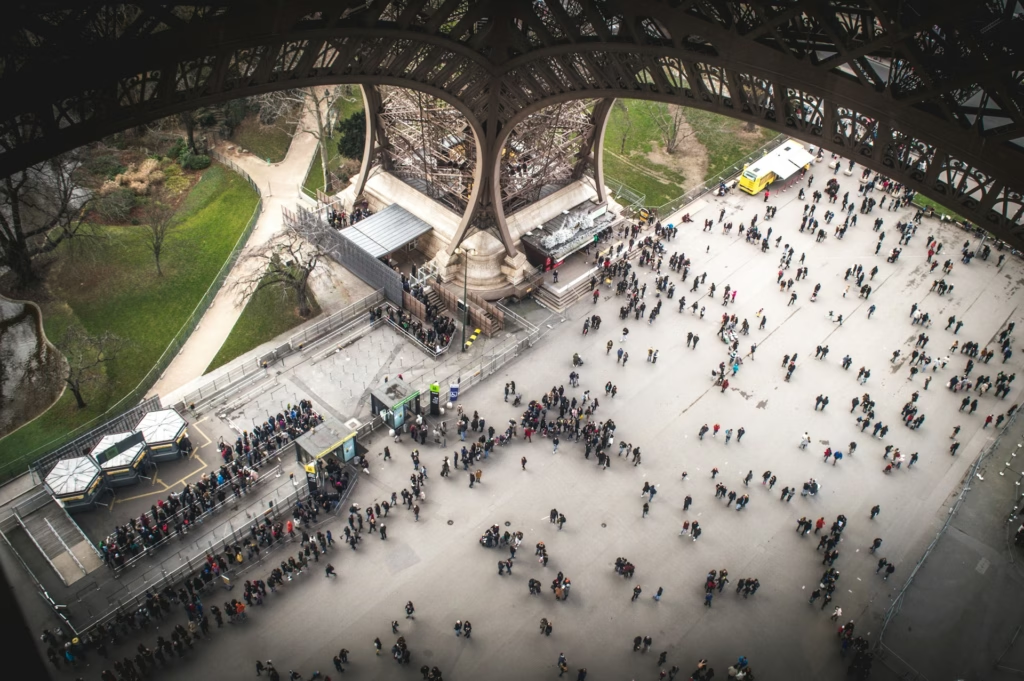
Paris has been immortalized in countless films, books, and songs as a city of romance, beauty, and artistic splendor. From “Amélie” to “Midnight in Paris,” popular culture has painted the French capital as a dreamy wonderland where love blossoms under the Eiffel Tower and every street corner houses a charming café filled with philosophical conversations.
This idealized version of Paris has created what psychologists now recognize as “Paris Syndrome.” First identified in the 1980s by Japanese psychiatrist Hiroaki Ota, this condition primarily affects Japanese tourists whose romanticized expectations clash dramatically with the reality they encounter. While rare—affecting only a small fraction of the 1.1 million Japanese visitors to Paris annually—the syndrome illustrates how powerful our preconceptions can be.
The reality of Paris includes aspects that glossy travel brochures rarely mention. The city collects around 3,000 tons of trash daily—equivalent to nearly 500 fully loaded garbage trucks. According to recent statistics, cleanliness of public spaces ranks as the second most important concern for Parisians themselves, with 44% citing it as a major issue.
Visitors often report disappointment with:
- Overcrowded attractions where hours-long queues are the norm
- Encounters with seemingly rude or dismissive locals
- Visible homelessness and poverty in certain areas
- Persistent scammers targeting tourists
- Expensive accommodations that often don’t match their star ratings
Yet these realities aren’t unique to Paris—they’re common in major metropolitan cities worldwide. The difference lies in the exceptionally high expectations many travelers bring to Paris, making the contrast between fantasy and reality particularly jarring.
Why Some Travelers Think Paris is Overrated

The perception that Paris is overrated stems from several legitimate concerns that travelers frequently encounter. Understanding these challenges can help set realistic expectations for your visit.
Overwhelming Crowds at Major Attractions
The Louvre Museum alone welcomes 8 million visitors annually, while the Eiffel Tower receives 6.2 million. During peak season, waiting times for major attractions can stretch to several hours, significantly diminishing the experience. The famous Mona Lisa viewing experience often becomes a disappointing few seconds of glimpsing a relatively small painting behind bulletproof glass while jostling with dozens of selfie-taking tourists.
Cleanliness Issues in Certain Areas
Paris struggles with cleanliness in some neighborhoods more than others. The 18th arrondissement, which includes the popular Montmartre area, has been identified as one of the dirtiest districts. While the city employs an army of cleaners, the sheer volume of daily waste—3,000 tons—presents an ongoing challenge.
The Cost Factor
Paris consistently ranks among Europe’s most expensive cities. A standard hotel room in a central location can easily cost €200-300 per night, while a simple meal at a mid-range restaurant typically starts at €25-30 per person. For budget-conscious travelers, these costs can quickly become prohibitive, especially when the experience doesn’t match the price tag.
Language Barriers and Cultural Differences
The stereotype of rude Parisians persists partly due to cultural misunderstandings. What Americans might perceive as rudeness is often simply a different approach to customer service or social interaction. Additionally, while many Parisians speak English, particularly in tourist areas, language barriers can still create friction and misunderstandings.
Tourist Scams
Paris has its fair share of scams targeting visitors. Common schemes include the “gold ring” scam (someone pretends to find a gold ring and offers it to you before asking for money), the friendship bracelet scam (someone ties a bracelet to your wrist and then demands payment), and various petition scams. These encounters can leave a negative impression, especially for first-time visitors.
The Hidden Paris That’s Far From Overrated
Beyond the tourist hotspots and Instagram clichés lies a Paris that few visitors discover—a city of hidden courtyards, local-filled cafés, and authentic neighborhoods where the true Parisian lifestyle thrives. This is the Paris that keeps drawing people back, long after they’ve checked the Eiffel Tower off their bucket list.
Lesser-Known Neighborhoods Worth Exploring
While tourists flock to the Champs-Élysées and Montmartre, locals enjoy neighborhoods like Canal Saint-Martin, with its tree-lined waterways and hip boutiques. The 11th arrondissement offers some of the city’s best dining without the tourist prices, while the 20th provides multicultural experiences and stunning views from Parc de Belleville.
The colorful Rue Crémieux in the 12th arrondissement offers a photogenic street experience without the crowds of more famous locations. These areas provide a glimpse into authentic Parisian life that feels worlds away from the overrated tourist centers.
Authentic Culinary Experiences
Skip the overpriced restaurants with English menus near major attractions. Instead, seek out neighborhood bistros where Parisians actually eat. Markets like Marché d’Aligre offer fresh produce, cheeses, and baked goods at reasonable prices, perfect for assembling a picnic to enjoy in one of Paris’s many parks.
For coffee lovers, Paris’s third-wave coffee scene has exploded in recent years, with shops like Fragments, Télescope, and Café Oberkampf serving exceptional brews in relaxed settings far from the tourist trail.
Cultural Experiences Beyond the Major Museums
While the Louvre and Musée d’Orsay deserve their reputations, smaller museums offer equally rewarding experiences without the crowds. The Musée de la Vie Romantique provides an intimate look at 19th-century artistic life, while the recently renovated Carnavalet Museum tells the fascinating history of Paris itself—and both offer free admission to their permanent collections.
Free events abound throughout Paris, from summer concerts in parks to the annual Nuit Blanche, when art installations transform the city for one night. These experiences often provide more authentic cultural immersion than checking off famous paintings in crowded galleries.
How to Enjoy Paris Like a Local (Not a Tourist)
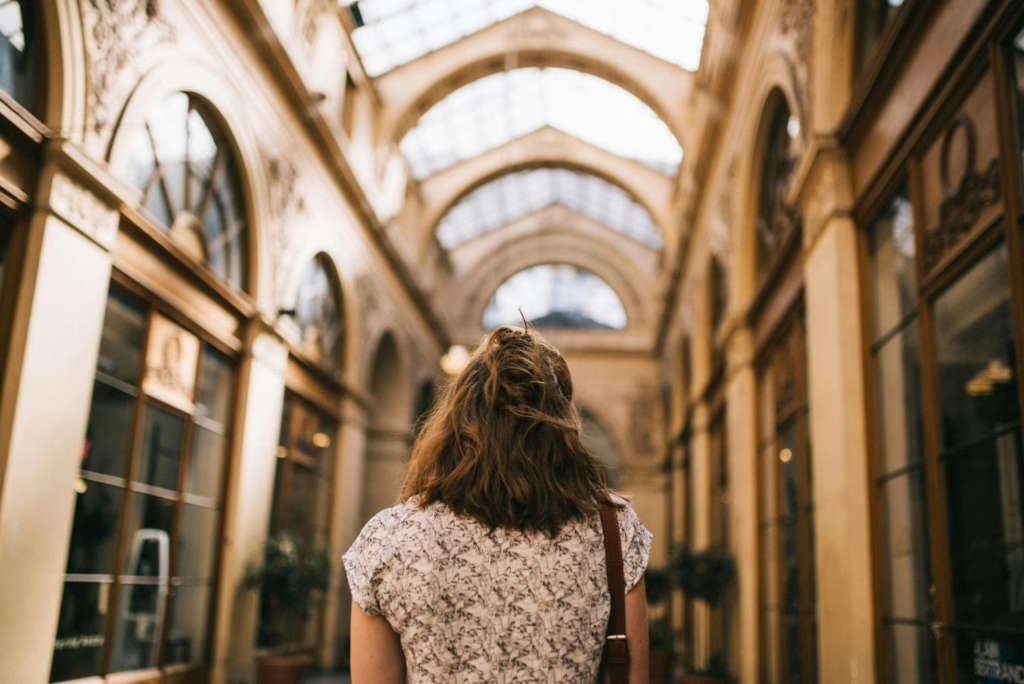
The key to falling in love with Paris lies in experiencing it as locals do, rather than rushing from one overcrowded attraction to another. With some insider knowledge and practical tips, you can discover the Paris that residents cherish.
Timing is Everything
Visit Paris during the shoulder seasons (April-May or September-October) to enjoy pleasant weather without peak summer crowds. If you must visit during the high season, explore major attractions early in the morning or during evening hours when available.
Consider spending at least 5-7 days in Paris rather than rushing through in a weekend. This allows time to wander without an agenda and discover the city’s hidden charms at a relaxed pace.
Transportation Tips
Paris has an excellent public transportation system, with a single metro ticket costing just €2.10. Consider purchasing a carnet (book of 10 tickets) or a Navigo weekly pass for unlimited travel. Walking remains the best way to discover unexpected treasures, while the Vélib’ bike-sharing system offers an enjoyable alternative for covering more ground.
Luggage Solutions for Flexible Exploration
One often overlooked aspect of enjoying Paris is dealing with luggage constraints. Whether you’ve checked out of your accommodation but have hours before your flight, or you’ve arrived early and can’t check in yet, dragging suitcases around Paris significantly diminishes the experience.
Radical Storage offers convenient luggage storage locations throughout Paris, allowing you to store your bags securely for just €5 per day per item, regardless of size or weight. With locations near major train stations and tourist areas, you can drop off your luggage and immediately begin exploring Paris unencumbered—a simple solution that dramatically improves your experience of the city.
Language and Cultural Tips
Learning a few basic French phrases goes a long way in Paris. Simple greetings like “Bonjour” (hello) and “Merci” (thank you) show respect for the local culture. Always greet shop owners when entering and leaving their establishments—this small courtesy is highly valued in French culture.
Parisians generally appreciate a more reserved approach than Americans might be accustomed to. Keeping your voice at a moderate level and observing local customs will help you blend in and receive warmer treatment from locals.
Seasonal Guide to Paris
Paris transforms dramatically with the seasons, each offering distinct advantages and challenges for visitors. Understanding these seasonal variations helps you choose the perfect time for your visit based on your preferences.
Spring (March-May)
Spring brings Paris to life with blooming gardens and comfortable temperatures. The city’s famous cherry blossoms peak in early April, creating magical scenes in parks like Jardin des Plantes and Parc de Sceaux. Museums and attractions are less crowded than in summer, though prices begin to rise as the high season approaches.
Rain is common in spring, so pack accordingly and have indoor alternatives planned for your itinerary.
Summer (June-August)
Summer offers the longest daylight hours and numerous outdoor events, including the annual Paris Plages (temporary beaches along the Seine) and open-air cinema at Parc de la Villette. However, this is also when Paris experiences its highest tourist numbers, longest lines, and highest prices.
Many Parisians leave the city in August for their own vacations, resulting in some local businesses closing temporarily. The trade-off is slightly reduced crowds at some attractions.
Fall (September-November)
Early fall represents an ideal balance of pleasant weather, reduced crowds, and full operation of restaurants and shops as Parisians return from summer holidays. Cultural events abound, including the European Heritage Days in September when many historic buildings normally closed to the public open their doors.
As November approaches, temperatures cool significantly, but Christmas decorations begin to appear, creating a festive atmosphere.
Winter (December-February)
Winter in Paris offers a different kind of magic. Holiday decorations illuminate the city in December, with spectacular window displays at department stores like Galeries Lafayette. January and February bring the lowest tourist numbers and hotel prices, making it an economical time to visit if you don’t mind the cold.
Many attractions remain open year-round, and museums provide perfect shelter on chilly days. Winter also offers the best opportunity to experience Paris like a local, as tourists are few and the city returns to its authentic rhythm.
Is Paris Nice? Finding Beauty Beyond the Challenges
Is Paris nice? Yes, despite its urban challenges, Paris remains genuinely beautiful with its elegant Haussmannian architecture, meticulously maintained gardens and iconic landmarks. The city’s beauty often reveals itself in unexpected moments—a perfect croissant at a neighborhood bakery, sunset light reflecting on the Seine, or discovering a hidden courtyard. These authentic experiences, rather than just Instagram-perfect views, showcase why Paris continues to captivate visitors despite its imperfections.
The beauty of Paris often reveals itself in unexpected moments—a perfect croissant at a neighborhood bakery, sunset light reflecting on the Seine, or the discovery of a hidden courtyard. These authentic experiences, rather than the Instagram-perfect postcard views, are what make Paris genuinely nice despite its imperfections.
Paris Among Overrated Cities in Europe: A Broader Perspective
When travel bloggers discuss overrated cities in Europe, Paris often appears alongside Venice, Amsterdam, and Barcelona. These cities share common challenges: overwhelming tourism, high prices, and the gap between expectation and reality. However, context matters when considering whether Paris truly deserves this label.
Unlike some overrated destinations that offer limited attractions beyond their famous landmarks, Paris provides an extraordinary depth of experience. While France as a whole is rarely considered overrated—with its diverse regions from Provence to Normandy consistently delighting visitors—Paris specifically suffers from its own mythology.
The Eiffel Tower experience exemplifies this paradox. Standing in long lines to ascend this iconic structure often disappoints visitors, especially when contrasted with the pristine images seen on social media. Similarly, the perception of Paris as a dirty city stems partly from the contrast between its elegant architecture and the urban realities of litter and graffiti in certain areas.
Rather than dismissing Paris as simply overrated, savvy travelers recognize that the city requires a more nuanced approach—one that embraces both its flaws and its undeniable magic.
Recent Improvements and Developments
Following the 2024 Olympics, Paris has benefited from significant infrastructure improvements. The Seine River underwent a massive €1.4 billion cleanup project, making parts of it swimmable for the first time in a century—a condition that will continue to benefit visitors and residents alike.
The city has expanded its car-free zones and bicycle infrastructure, making it increasingly pleasant to explore on foot or by bike. New pedestrian-only areas around monuments like Notre Dame (scheduled to reopen in December 2024) have created more breathing room for visitors to appreciate these landmarks.
Digital Tools Enhancing the Visitor Experience
A range of apps now help visitors navigate Paris more efficiently. The Paris Metro app provides real-time public transportation information, while Affluences shows current wait times at major museums and attractions, allowing you to plan visits during less crowded periods.
For food lovers, applications like The Fork (LaFourchette) offer discounted reservations at restaurants throughout the city, while Paris Bonjour provides verified reviews of authentic local establishments.
The Verdict: Is Paris Overrated?
After examining both the challenges and charms of Paris, we can conclude that Paris itself isn’t overrated—but certain aspects of the typical tourist experience may be. The Paris of picture-perfect Instagram posts and romantic movies creates unrealistic expectations that reality cannot match.
However, the Paris that locals experience daily—a complex, vibrant metropolis with extraordinary cultural wealth, distinct neighborhoods, and unparalleled culinary traditions—remains one of the world’s most rewarding destinations for travelers willing to look beyond the obvious attractions.
The key to enjoying Paris lies in managing expectations, venturing beyond tourist hotspots, and allowing yourself time to experience the city’s rhythm rather than rushing through a checklist of famous sites. With this approach, Paris reveals itself as neither overrated nor underrated, but simply extraordinary in its own complex way.
FAQ: Common Questions About Visiting Paris
Is Paris really that dirty?
Paris faces cleanliness challenges like any major city, collecting around 3,000 tons of trash daily. Tourist areas are generally well-maintained, but some neighborhoods (particularly the 18th arrondissement) struggle with cleanliness issues. Recent cleaning efforts, especially ahead of the 2024 Olympics, have improved conditions. Most visitors find Paris’s cleanliness comparable to other major European cities, though it doesn’t match the pristine standards of cities like Singapore or Tokyo.
Is Paris too expensive to visit?
Paris can be expensive compared to other European destinations, but costs vary dramatically based on your choices. While luxury hotels in central arrondissements command premium prices (€200-300 per night), budget accommodations in less central areas offer reasonable rates. Dining ranges from expensive Michelin-starred restaurants to affordable street food and self-catering options. Many of Paris’s best experiences—like strolling along the Seine or relaxing in Luxembourg Gardens—cost nothing at all.
What are the most overrated attractions in Paris?
The Champs-Élysées often disappoints visitors with its international chain stores rather than the glamorous shopping experience expected. The Mona Lisa viewing at the Louvre frequently underwhelms due to crowds and protective barriers. Moulin Rouge shows are considered tourist-oriented and overpriced by many visitors. For a more authentic experience, balance these popular attractions with lesser-known sites like Musée de l’Orangerie, Montparnasse Tower, and boutiques in the Marais.
When is the best time to visit Paris to avoid crowds?
January and February offer the lowest tourist numbers, though weather is cold and days are short. Early December and late November provide a good balance of reasonable weather, festive atmosphere, and manageable crowds. For the best experience, visit Paris during shoulder seasons (April-May or September-October) when weather is pleasant and tourist numbers are lower than summer. Within any month, visit major attractions on weekday mornings, particularly Tuesdays and Thursdays.
Is Paris safe for tourists?
Yes, Paris is generally safe for visitors, with violent crime rates lower than many American cities. However, petty theft and scams targeting tourists are common, particularly in crowded areas and on public transportation. The most common safety concerns are pickpocketing and tourist scams rather than violent crime. Taking basic precautions—using anti-theft bags, avoiding displaying valuable items, and staying alert in crowded areas—will address most safety issues.
How many days do you need in Paris?
While you can see major highlights in 3-4 days, a more relaxed and rewarding experience requires at least 5-7 days. This allows time to visit major attractions while also exploring authentic neighborhoods, taking day trips to nearby destinations like Versailles or Giverny, and enjoying Parisian café culture. For the best experience, include at least one weekday and one weekend day to experience different aspects of Parisian life.
Is Paris friendly to English-speaking tourists?
Yes, especially in tourist areas where most service workers speak at least basic English, and many speak it fluently. Outside tourist zones, English proficiency varies. Younger Parisians typically speak better English than older generations. Learning basic French phrases like “Bonjour” (hello) and “Merci” (thank you) shows respect and often results in warmer interactions. Always begin conversations with “Bonjour” and ask “Parlez-vous anglais?” before switching to English.
What are the best alternatives to overrated Paris attractions?
Instead of the crowded Louvre, visit Musée de l’Orangerie or Musée Rodin for exceptional art in intimate settings. Rather than waiting in long lines for the Eiffel Tower, enjoy similar views from Montparnasse Tower or the free rooftop of Galeries Lafayette. Skip touristy Latin Quarter restaurants for authentic dining in the 11th arrondissement. Replace chain-store shopping on the Champs-Élysées with unique boutiques in the Marais or Canal Saint-Martin neighborhoods.
