
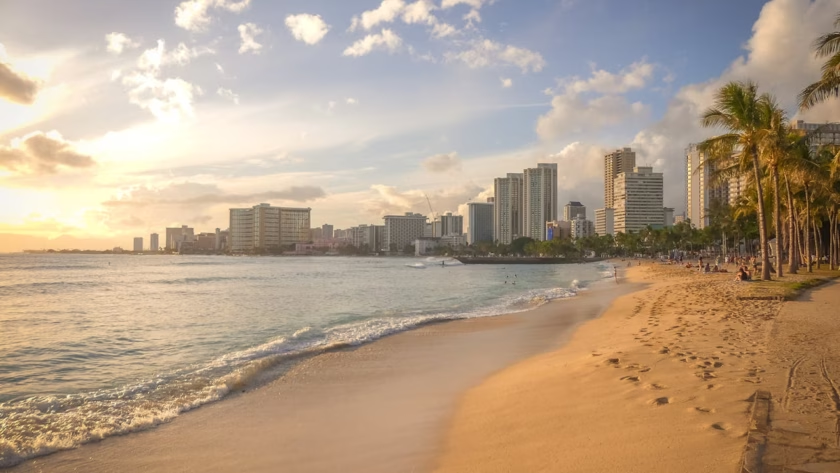
Hawaii, the picturesque archipelago in the Pacific, is renowned for its stunning beaches, volcanic landscapes, and vibrant Polynesian culture. It’s a dream destination for many, but often comes with a reputation for being costly. The question, “Is Hawaii expensive?” is a common one for anyone planning a vacation or considering a move to paradise. The short answer is yes, Hawaii is generally considered one of the most expensive places to visit and live in the United States.
This article aims to provide a comprehensive overview of what to expect regarding costs, helping you understand how expensive is Hawaii for different types of travelers and residents.
Why is Hawaii So Expensive? Understanding the Underlying Factors
The high cost of living and travel in Hawaii can be attributed to several interconnected factors:
- Island Isolation and Imports: Hawaii is the most isolated population center on Earth, located thousands of miles from the U.S. mainland. This geographical isolation means that nearly all goods, from food to construction materials and consumer products, must be imported. The cost of shipping these items across the Pacific significantly inflates prices.
- Limited Land and High Demand: The Hawaiian islands have a finite amount of developable land. This scarcity, combined with high demand for housing and commercial properties from both residents and investors, drives up real estate prices and, consequently, rental costs.
- Tourism-Driven Economy: Tourism is the largest industry in Hawaii. While it brings significant revenue, the constant influx of visitors contributes to higher prices for services, accommodation, and activities, as businesses cater to a market willing to pay premium rates.
- High Wages and Cost of Labor: While not as high as the cost of living, wages in Hawaii are generally higher than the national average to compensate for the elevated expenses. This translates into higher labor costs for businesses, which are then passed on to consumers.
- Environmental Regulations: Hawaii has stringent environmental regulations aimed at preserving its unique ecosystems. These regulations can add to the cost of development and business operations.
- Taxes: Hawaii has various taxes, including a General Excise Tax (GET) on most goods and services, which adds to the final price consumers pay. For more detailed statistics on the cost of living in Hawaii, you can refer to the Hawaii Department of Business, Economic Development & Tourism.
These factors collectively explain why is Hawaii so expensive and contribute to the perception that is Hawaii more expensive than California in many aspects.
Is Hawaii Expensive to Visit? A Tourist’s Budget Breakdown
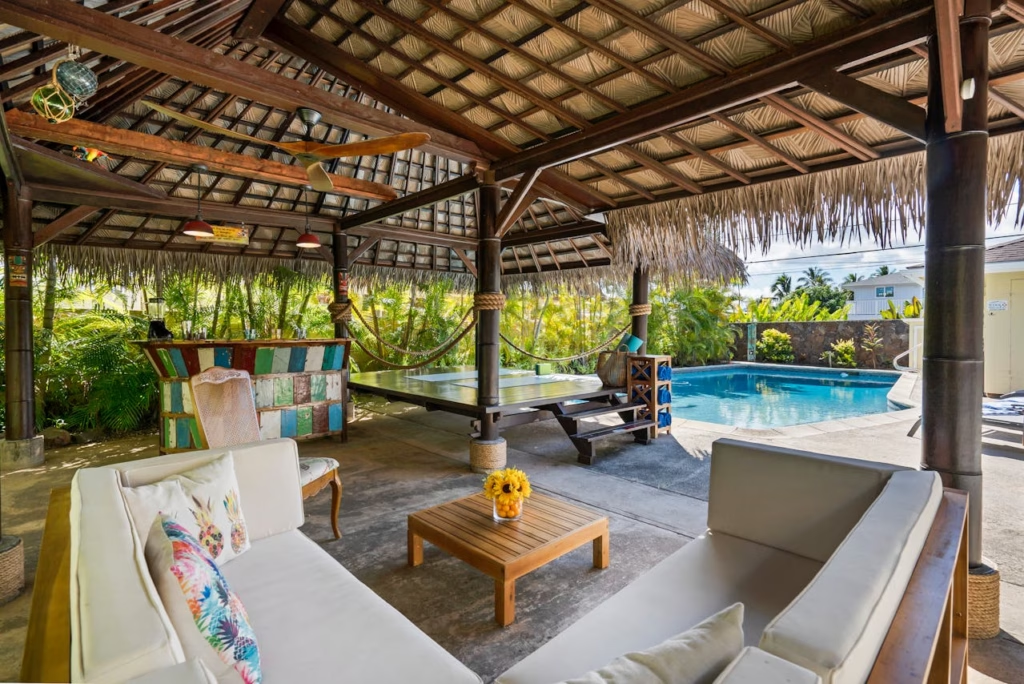
For tourists, the question of “is Hawaii expensive to visit” is paramount. While it can be, careful planning can help manage costs. Let’s break down the typical expenses:
Accommodation
Accommodation is often the largest expense for visitors. Prices vary significantly depending on the island, location, type of accommodation, and time of year.
| Accommodation Type | Estimated Cost (USD per night) |
|---|---|
| Hostel Dorm Bed | 40-80 |
| Budget Hotel/Guesthouse | 120-200 |
| Mid-range Hotel | 250-400 |
| Luxury Resort | 500+ |
| Vacation Rental (Airbnb/VRBO) | 200-500+ (varies greatly) |
Oahu (Waikiki) and Maui tend to have the highest accommodation prices.
Food and Drink
“Is food expensive in Hawaii?” is a common concern, and the answer is generally yes, due to import costs.
| Food/Drink Item | Estimated Cost (USD) |
|---|---|
| Casual Restaurant Meal | 15-30 per person |
| Fine Dining Meal | 60-100+ per person |
| Local Food Truck/Plate Lunch | 10-15 |
| Local Beer | 6-9 |
| Coffee | 4-6 |
| Groceries (per week) | 80-150 per person |
To save on food costs, seek out local plate lunch spots, food trucks, and farmers’ markets. Buying groceries from supermarkets (like Foodland, Safeway, or Costco) and preparing some of your meals can significantly reduce food expenses.
Transportation
Getting around Hawaii can be done via various modes of transport.
| Transportation Type | Estimated Cost (USD) |
|---|---|
| Public Bus (TheBus, Oahu) | 3 (single ride) |
| Taxi (short ride) | 15-30 |
| Ride-sharing (Uber/Lyft) | Varies (often cheaper than taxis) |
| Car Rental (daily) | 50-100+ (excluding fuel) |
| Fuel (per gallon) | 4.50-6.00 |
A rental car offers the most flexibility for exploring the islands, but it’s an added expense, especially with high fuel prices. Public transportation is limited outside of Oahu.
Activities and Attractions
Many of Hawaii’s natural attractions are free or low-cost, but tours and certain experiences can add up.
| Activity/Attraction | Estimated Cost (USD) |
|---|---|
| National Park Entry (e.g., Volcanoes NP) | 30 (per vehicle) |
| Luau | 100-200+ per person |
| Snorkeling/Diving Tour | 70-150+ |
| Surf Lesson | 60-100+ |
Free activities include beach hopping, hiking many trails, and exploring charming towns. However, popular tours and experiences will significantly impact how expensive is a trip to Hawaii.
When is the Least Expensive Time to Go to Hawaii?
If you’re looking to save money, timing your visit is crucial. When is the least expensive time to go to Hawaii?
- Mid-April to Mid-June: After the spring break rush and before the summer crowds, prices for flights and accommodation tend to drop. The weather is generally pleasant.
- September to Mid-December: After the summer peak and before the Christmas/New Year holiday season, you’ll find lower prices. This period also avoids the busiest part of hurricane season, though the risk of rain is higher.
Avoid peak seasons like Christmas, New Year’s, and spring break, as prices can skyrocket.
Is it Expensive to Live in Hawaii? A Resident’s Perspective
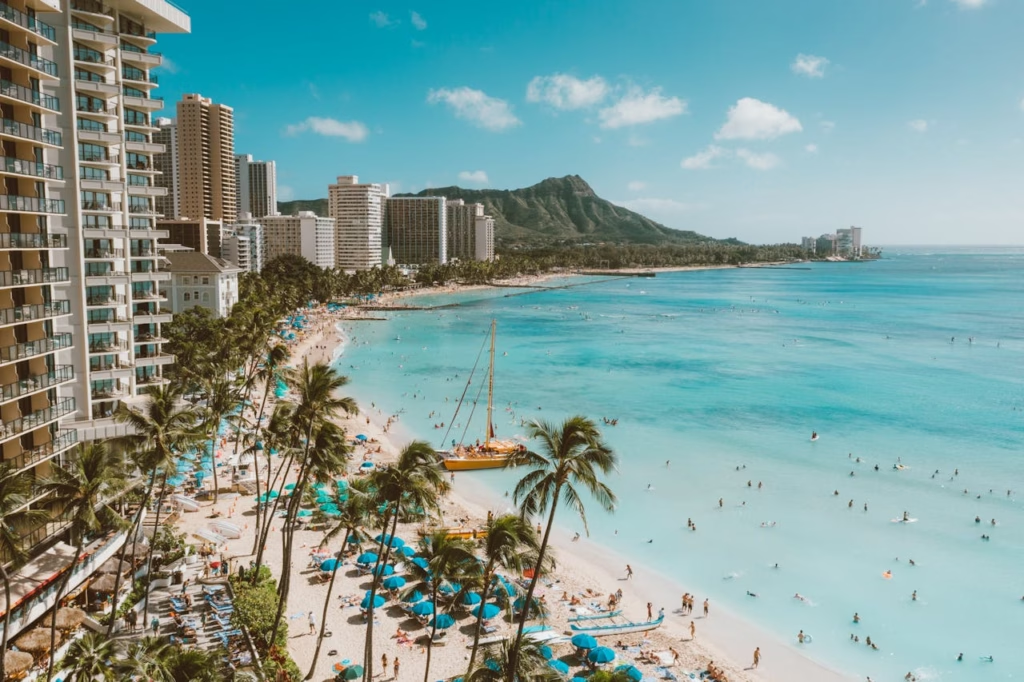
For those considering a longer stay or relocation, “is it expensive to live in Hawaii?” is a critical question. Hawaii consistently ranks as one of the most expensive states to live in the U.S., often surpassing California in certain cost categories.
Housing
Housing costs are the primary driver of Hawaii’s high cost of living.
| Housing Type | Estimated Monthly Cost (USD) |
|---|---|
| 1-bedroom apartment (Honolulu) | 1,800-2,500+ |
| 1-bedroom apartment (other islands) | 1,500-2,200 |
| Median Home Price | 700,000-1,000,000+ |
Utilities and Services
Electricity costs are significantly higher than the U.S. mainland due to reliance on imported oil for power generation.
| Expense Type | Estimated Monthly Cost (USD) |
|---|---|
| Electricity | 200-400+ |
| Water/Sewer | 50-100 |
| Internet | 60-100 |
| Mobile Phone | 40-80 |
Groceries and Household Expenses
As most goods are imported, groceries are notably more expensive than on the U.S. mainland.
| Expense Type | Estimated Monthly Cost (USD) |
|---|---|
| Groceries (single person) | 350-500 |
| Groceries (family of 4) | 1,000-1,500+ |
Healthcare
Healthcare costs in Hawaii are generally higher than the national average, though the quality of care is good.
Transportation (for Residents)
Car ownership is common, and fuel costs are high. Inter-island travel via flights can also add up for residents.
How Expensive is a Trip to Hawaii? Sample Budgets

To give a clearer picture of how expensive is a trip to Hawaii, here are some sample daily budgets:
Budget Traveler (USD 100-200 per day)
- Accommodation: Hostel dorm bed, camping, or budget guesthouse.
- Food: Mostly groceries, local food trucks, and plate lunches.
- Transportation: Public bus (Oahu), walking, occasional ride-sharing.
- Activities: Free beaches, hiking, exploring towns.
Mid-Range Traveler (USD 250-450 per day)
- Accommodation: Mid-range hotel or comfortable vacation rental.
- Food: Mix of casual restaurants, local eateries, and some cooking.
- Transportation: Rental car for exploration, some taxis/ride-sharing.
- Activities: A mix of free attractions and a few paid tours (e.g., snorkeling, a luau).
Luxury Traveler (USD 500+ per day)
- Accommodation: Luxury resorts, high-end hotels.
- Food: Fine dining experiences, frequent restaurant meals.
- Transportation: Premium rental car, private transfers, inter-island flights.
- Activities: Multiple paid tours, exclusive experiences, helicopter rides.
Conclusion: Is Hawaii Expensive? Yes, But the Experience is Unforgettable
In conclusion, the answer to “is Hawaii expensive?” is a resounding yes, whether you’re visiting or considering living there. The unique geographical isolation, limited land, and strong tourism industry all contribute to its high costs. From daily expenses like food and accommodation to the long-term costs of housing and utilities, Hawaii demands a significant financial commitment.
However, for many, the unparalleled natural beauty, unique culture, and unforgettable experiences justify the expense. For travelers, strategic planning, utilizing supermarkets, and focusing on free outdoor activities can help mitigate costs. For those considering relocation, the high salaries often help offset the high cost of living, though careful financial planning is essential.
Ultimately, while Hawaii may be expensive, the dream of paradise and the incredible memories it offers make it a truly remarkable and worthwhile destination.
Travel Light with Radical Storage in Hawaii
Exploring the beautiful islands of Hawaii is an unforgettable experience, and you don’t want to be weighed down by your luggage. Whether you’re hiking through lush rainforests, relaxing on a pristine beach, or exploring vibrant towns, Radical Storage offers convenient and secure luggage storage solutions across Hawaii, including key locations in Honolulu and other popular areas. Free yourself from your bags and make the most of your Hawaiian adventure. Visit the Radical Storage to find a storage spot near you!
