
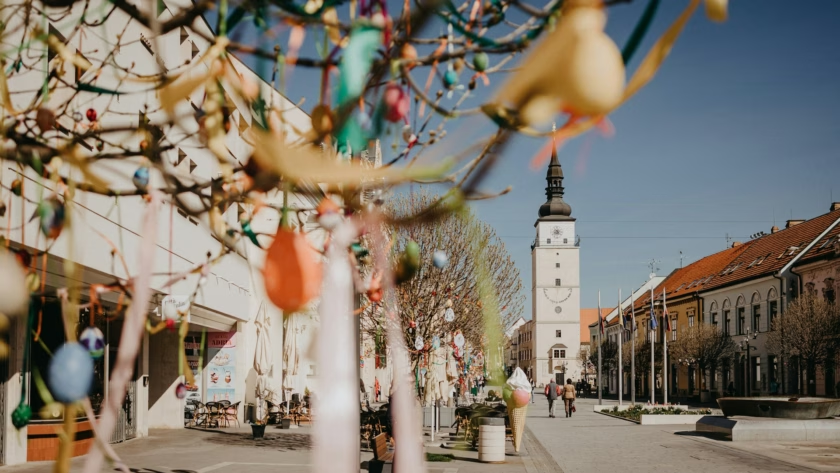

Navigate the Easter Markets in Europe without stress!
Find affordable luggage storage near you
Spring arrives across Europe with a flourish of color, tradition, and celebration when Easter markets in Europe fill historic squares from late March through mid-April. Unlike the well-known Christmas markets, these springtime celebrations offer a more intimate glimpse into local Easter customs through hand-painted eggs, traditional folk crafts, and seasonal foods that mark the end of winter. The markets create a perfect opportunity to experience authentic European culture while enjoying mild weather and blooming landscapes.
Best Easter Markets in Europe 2026
The best Easter markets in Europe combine historic settings, authentic traditions, and vibrant local participation. Here are the top destinations for Easter markets in Europe 2026:
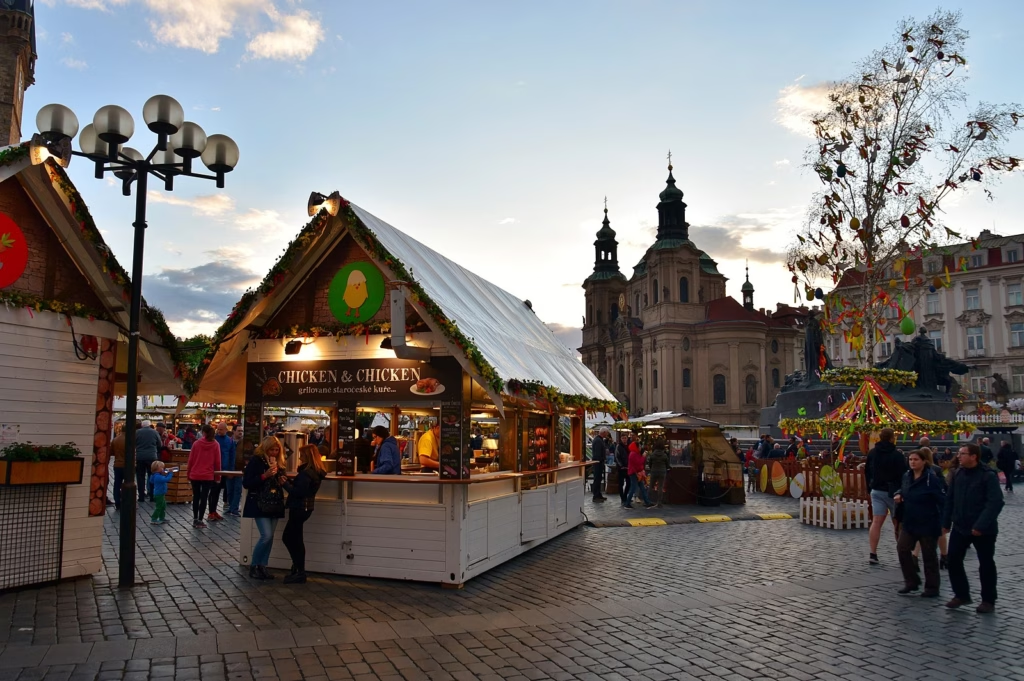
Prague Easter Markets: Old Town Charm
The Prague Easter markets rank among Europe’s most beautiful spring celebrations, with the historic Old Town Square and Wenceslas Square hosting wooden stalls decorated with colorful ribbons and fresh spring flowers. The markets run from March 21 through April 12, 2026, giving visitors nearly four weeks to experience Czech Easter traditions.
| Market Location | Dates & Details |
| Old Town Square | March 21-April 12 | Daily 10:00-22:00 | Largest market |
| Wenceslas Square | March 21-April 12 | Daily 10:00-22:00 |
| Republic Square | March 21-April 27 | Daily | Live music 17:00-18:00 |
What makes the Prague markets special is the emphasis on traditional folk crafts, particularly the famous ‘kraslice’ hand-painted Easter eggs decorated using wax-resistant techniques that create intricate folk patterns. You’ll find women in traditional dress demonstrating the age-old art of egg decoration, creating personalized eggs with names and greetings.
Must-try foods: Trdelník (sweet pastry rolled in cinnamon and sugar), mazanec (Easter bread with raisins), klobása (grilled sausages), and bramboráky (crispy potato pancakes with garlic). Don’t miss the medovina (honey wine) served warm, perfect for cool spring evenings.
Vienna Easter Markets: Imperial Elegance
The Vienna Easter markets bring Austrian charm to several locations across the city from March 20 through April 6, 2026. The standout feature is the famous ‘Ostereiberg’ (Easter egg mountain) at the Freyung market, a spectacular display of over 40,000 hand-painted eggs creating a towering centerpiece that’s been a Viennese tradition for more than 350 years.
Top Vienna market locations:

• Schönbrunn Palace (March 25-April 19): The grandest setting with stalls in the palace courtyard. This market stays open as a spring market well past Easter.
• Am Hof Square (March 20-April 6): Central location with emphasis on artisan crafts and culinary specialties.
• Freyung (March 20-April 6): Home of the famous egg mountain display.
The Vienna markets excel at traditional Austrian foods like Osterpinzen (Easter bread), Striezel (braided pastries), and marzipan shaped into rabbits and eggs. The atmosphere combines folk traditions with Vienna’s musical heritage, and many markets feature live classical music performances.
Easter Markets Amsterdam: Canal-Side Spring
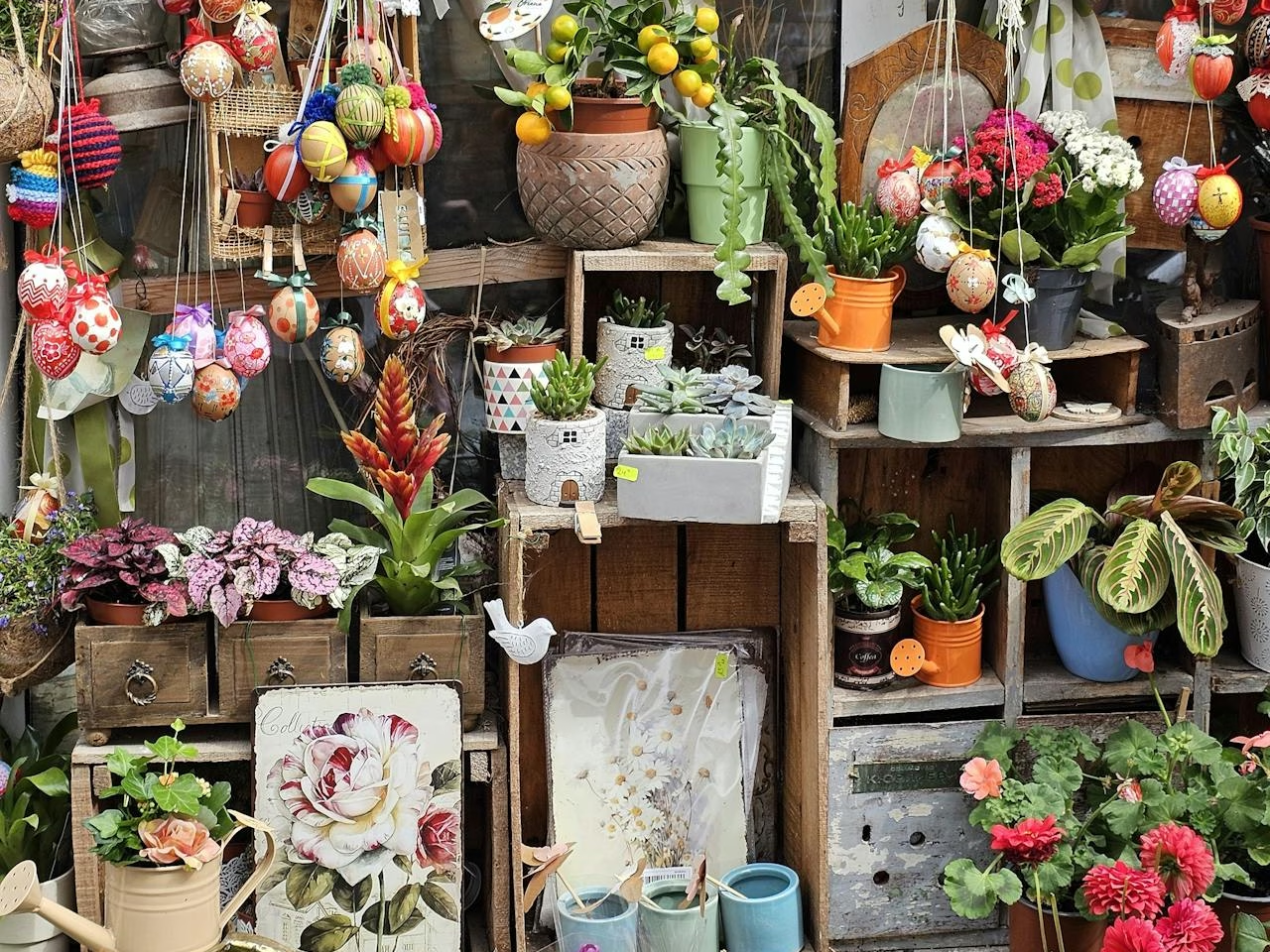
Easter markets Amsterdam offer a different take on the tradition, with markets appearing at various locations throughout the city during late March and early April. While not as extensive as Prague or Vienna’s markets, Amsterdam’s Easter celebrations blend Dutch customs with the city’s unique canal-side charm.
Amsterdam focuses heavily on flowers (naturally, given the Dutch heritage), with tulip displays and spring blooms integrated into market stalls. The markets also feature traditional Dutch treats like paasbrood (Easter bread with currants and almond paste) and chocolate Easter eggs from local chocolatiers.
Best time to visit: Easter weekend (April 3-6, 2026) when markets operate at full capacity with extended hours and special performances. The canal-side locations become particularly atmospheric during golden hour.
Other Notable Easter Markets in Europe
Budapest Easter Markets
Vörösmarty Square in Budapest hosts a charming Easter market showcasing Hungarian folk traditions from late March through early April. The market emphasizes ceramics, embroidery, and hand-crafted wooden toys. Don’t miss the egg-painting workshops where you can learn traditional Hungarian patterns, or the kürtőskalács (chimney cake) freshly prepared over open coals.
Krakow Easter Markets
The Main Square (Rynek Główny) in Krakow provides a stunning backdrop for Poland’s Easter traditions. The market specializes in ‘pisanki’, eggs with intricate designs scratched onto dyed shells. Traditional butter lamb sculptures and żurek (sour rye soup) served in bread bowls represent authentic Polish Easter customs.

Stockholm Easter Markets
Skansen Open-Air Museum hosts Sweden’s most authentic Easter celebration, combining markets with traditional ‘påskkärring’ (Easter witch) activities and decorated birch twigs with colorful feathers called ‘påskris’. The Nordic approach to Easter emphasizes the arrival of spring after long winter months.
When to Visit Easter Markets in Europe
Most European Easter markets open approximately two to three weeks before Easter Sunday and continue through Easter Monday. For 2026, with Easter falling on April 5, most markets will operate during the following periods:
- Early opening: March 20-21 (Prague, Vienna, larger cities)
- Peak period: Holy Week (March 30-April 6)
- Closing: Easter Monday, April 6 (except extended markets like Schönbrunn)
The best time to visit is during Holy Week, when the markets reach their most festive atmosphere with special events, live music, and traditional ceremonies. Weekday mornings offer a more relaxed experience with fewer crowds, while weekend evenings deliver the most vibrant atmosphere.
What to Buy at European Easter Markets
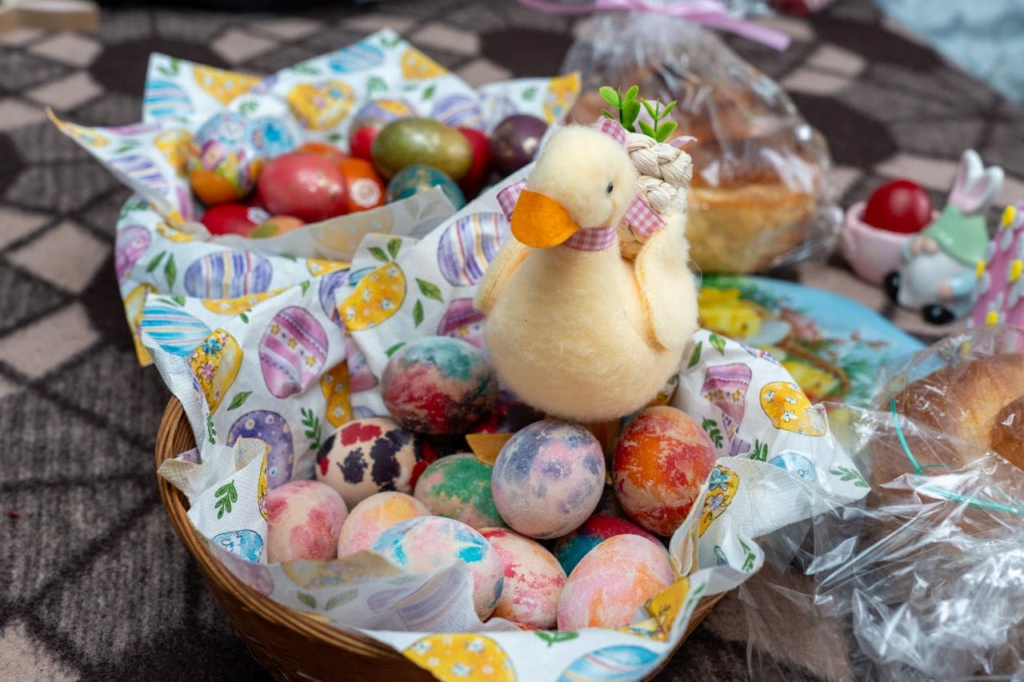
Easter markets across Europe sell a mix of traditional and seasonal items:
- Hand-painted eggs: Each country has its own traditional techniques and patterns. Prices range from €5-30 depending on complexity.
- Wooden crafts: Carved rabbits, decorative items, children’s toys made from local woods.
- Traditional foods: Easter breads, local pastries, honey products, artisanal chocolates.
- Spring decorations: Wreaths, flower arrangements, ribbons, and festive textiles.
- Handmade jewelry: Local artisans sell pieces incorporating traditional motifs and materials.
Practical Tips for Visiting Easter Markets
Book accommodation early: Easter is a popular travel period. Reserve hotels by January for the best rates and locations near the markets.
Bring cash: Many artisan vendors don’t accept cards. Each city has ATMs near the markets, but bring some local currency in advance.
Check hours: Markets typically open 10:00 AM-9:00 PM, but times vary by location and day of the week. Holiday hours may differ.
Pack for variable weather: Early April in Central Europe can range from cool and rainy to warm and sunny. Layers work best.
Join workshops: Many markets offer hands-on experiences like egg-painting sessions. These usually require advance booking through market websites.
Respect traditions: Easter holds deep religious significance in many European countries. Observe customs respectfully, especially during ceremonies.
Explore the Easter Markets Hassle-Free
Travel lighter by using luggage storage services near the markets. Radical Storage operates throughout Prague, Vienna, Amsterdam, and other European cities, letting you explore the markets without carrying bags. Book through the app to find verified storage locations within walking distance of the main squares. At €5 per day with €3,000 coverage, you can browse the stalls and enjoy traditional foods without worrying about your luggage.
FAQs
Most Easter markets in Europe open 2-3 weeks before Easter Sunday. For 2026, markets begin around March 20-21 and run through Easter Monday, April 6. Some markets like Vienna’s Schönbrunn extend into late April as spring markets.
Prague and Vienna consistently rank as the best Easter markets in Europe, with Prague’s Old Town Square and Vienna’s Schönbrunn Palace offering the most spectacular settings and traditional experiences. Each city brings unique customs worth experiencing.
Easter markets are less crowded than Christmas markets but still busy during Holy Week and weekends. Weekday mornings offer the most relaxed experience. Easter Saturday and Sunday see the heaviest crowds.
Easter markets are smaller, more intimate, and focus on spring traditions like hand-painted eggs, folk crafts, and seasonal foods. They lack the elaborate light displays and extensive mulled wine culture of Christmas markets, offering instead a more authentic glimpse into local Easter customs.
Final Thoughts
Easter markets in Europe 2026 offer a wonderful opportunity to experience spring traditions across the continent. From Prague’s hand-painted eggs to Vienna’s imperial elegance and Amsterdam’s canal-side charm, each market brings unique cultural customs to life. The combination of authentic folk art, traditional foods, and historic settings creates a memorable alternative to the better-known Christmas market season.
Whether you’re drawn to the elaborate egg mountain in Vienna, the folk demonstrations in Prague, or the tulip displays in Amsterdam, these markets reward visitors who take the time to engage with local Easter customs. Plan ahead, book early, and embrace the springtime celebrations that mark the end of winter across Europe.
