
Planning your South Korean adventure for 2025? The best places to visit in South Korea offer an incredible fusion of ancient traditions and cutting-edge modernity, from bustling metropolitan cities to serene mountain temples and pristine coastal areas. Whether you’re seeking the best places to visit in South Korea for first timers or planning a return journey, this comprehensive guide covers everything from Seoul’s dynamic neighborhoods to hidden gems across the Korean Peninsula.
The best places to visit in South Korea combine UNESCO World Heritage sites, world-class cuisine, innovative technology, and stunning natural landscapes, making it a destination that satisfies every type of traveler. From the historic palaces of Seoul to the volcanic wonders of Jeju Island, each region offers unique experiences that showcase Korea’s rich cultural heritage and rapid modernization.
Top Destinations Across South Korea
Seoul: The Dynamic Capital
Best places to visit in Seoul South Korea showcase the perfect blend of ancient and ultra-modern. The capital city offers world-class shopping, historic palaces, innovative technology districts, and vibrant nightlife that never sleeps.
Must-visit attractions in Seoul:
- Gyeongbokgung Palace and Changdeokgung Palace – Experience royal Korean history
- Bukchon Hanok Village – Traditional Korean architecture
- Myeongdong – Shopping and street food paradise
- Hongdae – University district with incredible nightlife
- Gangnam District – Modern Seoul and K-pop culture
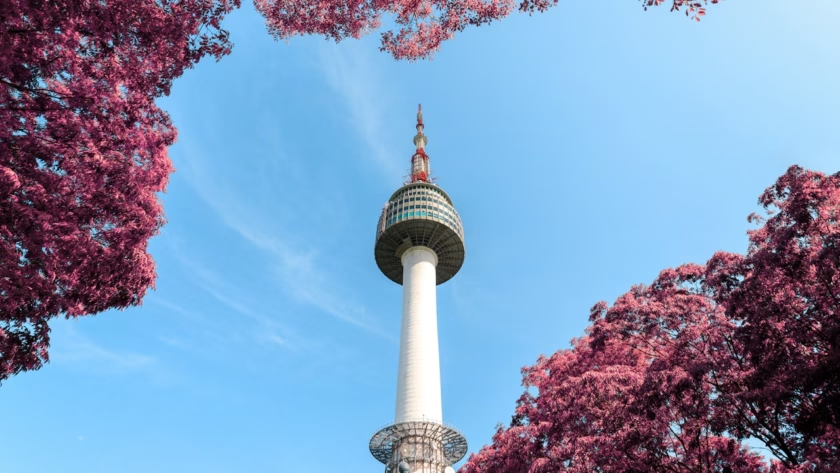
- N Seoul Tower – Panoramic city views
- Dongdaemun Design Plaza – Futuristic architecture and fashion
Best time to visit: Seoul is excellent year-round, though spring (April-May) and autumn (September-November) offer the most pleasant weather with beautiful seasonal changes.
Busan: Coastal Charm and Cultural Richness
Best places to visit in Busan South Korea combine stunning beaches, colorful neighborhoods, and fresh seafood markets. As Korea’s second-largest city, Busan offers a more relaxed pace while maintaining urban sophistication.
Top Busan destinations:
- Haeundae Beach – Korea’s most famous beach resort
- Gamcheon Culture Village – Colorful hillside art village
- Jagalchi Fish Market – Fresh seafood and local culture
- Beomeosa Temple – Historic mountain temple
- Taejongdae Park – Dramatic coastal cliffs
- Gwangalli Beach – Night views of Gwangan Bridge
- Haedong Yonggungsa Temple – Seaside temple with ocean views
Jeju Island: Natural Paradise
Jeju Island ranks among the best places to visit in South Korea for nature lovers and outdoor enthusiasts. This volcanic island offers pristine beaches, dramatic coastlines, and unique geological formations.
Jeju Island highlights:
- Hallasan National Park – Hiking Korea’s highest peak
- Seongsan Ilchulbong – Sunrise peak with UNESCO status
- Jeju Folk Village – Traditional Korean culture
- Manjanggul Cave – Lava tube cave exploration
- Hyeopjae Beach – Crystal clear waters and white sand
- Jusangjeolli Cliff – Dramatic hexagonal rock formations
Seasonal Travel Guide
Spring Adventures (March-May)
Best places to visit in South Korea during spring offer spectacular cherry blossom displays and mild weather perfect for outdoor exploration. This season provides ideal conditions for hiking and cultural sightseeing.
Spring highlights:
- Jinhae Cherry Blossom Festival (early April)
- Gyeongju – Ancient capital with blooming temples
- Namsan Seoul Tower – Cherry blossoms with city views
- Jeju Island – Rape flower fields and mild temperatures
Average temperatures: 10-20°C (50-68°F)
Summer Escapes (June-August)
Summer represents peak season for best places to visit in South Korea during summer, with warm weather, beach activities, and numerous festivals. However, this period also includes the monsoon season (July-August).
Summer destinations:
| Region | Best Activities | Average Temperature | Rainfall |
| Seoul | Festivals, rooftop bars | 22-28°C | High (July-Aug) |
| Busan | Beach activities, water sports | 24-30°C | Moderate |
| Jeju Island | Hiking, beach relaxation | 23-29°C | Moderate |
| Gangwon Province | Mountain hiking, cooling off | 18-25°C | Low |

Autumn Colors (September-November)
Best places to visit in South Korea in autumn showcase spectacular fall foliage and comfortable temperatures. This season offers excellent hiking conditions and harvest festivals.
Autumn destinations:
- Naejangsan National Park – Stunning maple colors
- Seoraksan National Park – Mountain hiking with fall colors
- Bulguksa Temple – Historic temple surrounded by autumn leaves
- Andong – Traditional villages with seasonal beauty
Winter Experiences (December-February)
Best places to visit in South Korea during winter offer unique experiences from ski resorts to hot springs and winter festivals. While temperatures drop significantly, clear skies and fewer crowds make this an excellent time for budget travelers.
Winter highlights:
- Pyeongchang – Olympic ski resorts and winter sports
- Jeonju – Traditional architecture enhanced by snow
- Hot springs in Busan and Jeju Island
- Winter illuminations in Seoul and major cities
Regional Destinations
Gyeongju: Ancient Capital
Often called “the museum without walls,” Gyeongju offers some of the best places to visit in South Korea for history enthusiasts. This UNESCO World Heritage city preserves over 1,000 years of Korean history.
Gyeongju attractions:
- Bulguksa Temple – UNESCO World Heritage Buddhist temple
- Seokguram Grotto – Ancient Buddhist art
- Tumuli Park – Royal burial mounds
- Anapji Pond – Historic palace gardens
Jeonju: Cultural Heart
Jeonju represents traditional Korean culture and is famous for its hanok (traditional houses) village and exceptional cuisine, particularly bibimbap.
Jeonju highlights:
- Jeonju Hanok Village – Over 800 traditional houses
- Gyeonggijeon Shrine – Royal shrine and museum
- Traditional craft workshops – Pottery, calligraphy, and textiles
- Food tours – Authentic Korean cuisine experiences
Incheon: Gateway and More
Best places to visit in Incheon South Korea extend far beyond its role as the international airport gateway. This port city offers unique attractions and easy access to Seoul.
Incheon attractions:
- Incheon Chinatown – Historic Chinese community
- Songdo International Business District – Futuristic smart city
- Muuido Island – Beach escape near Seoul
- Incheon Landing Operation Memorial Hall – Korean War history
Best Places by Travel Style

Best Places to Visit in South Korea for First Timers
Essential first-time destinations:
- Seoul – Experience modern Korea and traditional culture
- Busan – Coastal charm and relaxed atmosphere
- Jeju Island – Natural beauty and unique culture
- Gyeongju – Historic significance and cultural depth
Recommended itinerary: 7-10 days covering Seoul (3-4 days), Busan (2-3 days), and Jeju Island (2-3 days)
Best Places to Visit in South Korea with Kids
Family-friendly destinations:
- Lotte World (Seoul) – Indoor theme park and entertainment
- Everland (Yongin) – Korea’s largest theme park
- Jeju Folk Village – Cultural education and activities
- Busan Aquarium – Marine life and interactive exhibits
- Seoul Children’s Museum – Educational and entertaining
- Namsan Seoul Tower – City views and family activities
Romantic Destinations
Best places for couples:
- Nami Island – Romantic tree-lined paths and seasonal beauty
- N Seoul Tower – Panoramic city views and love locks
- Jeju Island beaches – Sunset walks and intimate settings
- Bukchon Hanok Village – Traditional architecture and quiet streets
- Han River Parks – Riverside picnics and night views
Adventure and Outdoor Activities
Best outdoor destinations:
- Seoraksan National Park – Challenging hiking trails and scenic views
- Hallasan National Park – Jeju Island’s highest peak
- Jirisan National Park – Korea’s first national park
- Taean Coast – Coastal hiking and beach activities
- Demilitarized Zone (DMZ) – Historical tours and unique landscapes
Cultural Experiences and Events
Traditional Cultural Sites
UNESCO World Heritage Sites:
- Changdeokgung Palace (Seoul) – Royal palace and secret garden
- Bulguksa Temple (Gyeongju) – Buddhist temple complex
- Seokguram Grotto (Gyeongju) – Buddhist cave temple
- Jongmyo Shrine (Seoul) – Royal ancestral shrine
Festivals and Events
Major annual festivals:
- Cherry Blossom Festival (April) – Nationwide celebrations
- Boryeong Mud Festival (July) – Beach festival and mud activities
- Andong Mask Dance Festival (October) – Traditional Korean performing arts
- Seoul Lantern Festival (November) – Beautiful light displays
Cultural Experiences
Authentic cultural activities:
- Temple stays – Overnight experiences at Buddhist temples
- Hanbok rental – Traditional Korean clothing
- Cooking classes – Learn to make Korean dishes
- Traditional craft workshops – Pottery, calligraphy, and textiles
- Korean spa (jjimjilbang) – Relaxation and cultural immersion
Practical Travel Tips
Visa Requirements
Visa information:
- 90-day visa-free entry for most Western countries
- Transit visa available for short layovers
Currency and Payments
Financial considerations:
- Currency: Korean Won (KRW)
- Credit cards: Widely accepted in cities
- Cash: Still important for small vendors and traditional markets
- ATMs: Available at banks, convenience stores, and subway stations
Language and Communication
Communication tips:
- English signage common in tourist areas
- Basic Korean phrases appreciated by locals
- Free Wi-Fi available in most public areas
Health and Safety
Health considerations:
- Excellent healthcare system with international hospitals
- Safe tap water throughout the country
- Low crime rates making it very safe for tourists
- Travel insurance recommended for outdoor activities
Luggage Storage Solutions
Common Travel Challenges
Exploring multiple best places to visit in South Korea often presents logistical challenges, particularly regarding luggage management during transit days, early check-ins, or late departures. Traditional hotel policies and train station lockers have limitations that can significantly impact your travel experience.
Common luggage storage issues:
- Limited hotel storage hours outside check-in/check-out times
- Expensive and size-restricted station lockers
- Security concerns in public areas
- Difficulty accessing attractions with heavy bags
Radical Storage Solutions
Radical Storage provides the perfect solution for travelers seeking convenient, secure luggage storage throughout their South Korean journey. As an international luggage storage network, Radical Storage partners with local businesses including shops, cafes, and hotels to offer storage locations near major attractions, transportation hubs, and city centers across South Korea.
Why choose Radical Storage:
- Convenient locations – Storage points near major Korean attractions and transport links
- Affordable pricing – Fixed daily rates significantly lower than traditional luggage lockers
- Security guarantee – All bags covered by comprehensive security guarantee
- Easy booking – Simple online reservation system and mobile app
- Flexible hours – Extended operating hours matching local business schedules
- Size flexibility – No size restrictions unlike traditional lockers
Popular Radical Storage locations in South Korea:
- Seoul Station and Myeongdong – Central Seoul exploration
- Busan Station and Haeundae Beach – Coastal city adventures
- Jeju International Airport – Island exploration without luggage
- Gyeongbokgung Palace area – Historic district touring
Frequently Asked Questions
When are the best times to visit South Korea?
The best times to visit South Korea are:
- Spring (April-May) – Cherry blossoms and mild weather
- Autumn (September-November) – Fall foliage and comfortable temperatures
- Winter (December-February) – Snow activities and fewer crowds
- Summer (June-August) – Beach season but includes monsoon period
Do I need a visa to visit South Korea?
Most Western countries receive 90-day visa-free entry to South Korea. However, some nationalities require K-ETA (Korea Electronic Travel Authorization) before arrival. Check current requirements with Korean immigration authorities.
What’s the best way to travel around South Korea?
KTX high-speed rail offers the most efficient intercity travel, while extensive subway systems serve major cities. T-money cards provide convenient payment for all public transportation.
How much should I budget for a South Korea trip?
Budget varies by travel style:
- Budget travelers: $40-60 per day
- Mid-range travelers: $80-120 per day
- Luxury travelers: $200+ per day
Compared to Europe and the US, South Korea is easier on the wallet. Food, transportation, and attractions here are noticeably more affordable.
Is South Korea safe for tourists?
South Korea is extremely safe with low crime rates and excellent infrastructure. The healthcare system is world-class, and tourist areas have English support services.
What should I pack for South Korea?
Pack according to season:
- Spring/Autumn: Layered clothing for variable temperatures
- Summer: Light, breathable clothing plus rain gear
- Winter: Warm clothing including thermal layers
- Year-round: Comfortable walking shoes and portable charger
Do I need travel insurance for South Korea?
Travel insurance is recommended especially for outdoor activities like hiking. South Korea has excellent healthcare, but insurance provides peace of mind and coverage for trip cancellations.
Conclusion: Making Your South Korean Adventure Extraordinary
The best places to visit in South Korea offer an extraordinary combination of ancient traditions and modern innovations, creating travel experiences that satisfy every type of adventurer. From Seoul’s dynamic urban energy to Jeju Island’s natural wonders, from Busan’s coastal charm to Gyeongju’s historical depths, every destination provides unique memories and cultural insights.
South Korea’s advantages for travelers:
- Affordable costs compared to other developed Asian countries
- Excellent infrastructure with world-class transportation systems
- Rich cultural experiences from traditional temples to modern K-pop culture
- Diverse landscapes from urban metropolises to pristine national parks
- Exceptional food culture with regional specialties and street food
- Safe environment with low crime rates and tourist-friendly services
However, exploring multiple destinations across South Korea often presents logistical challenges, particularly regarding luggage management during transit days, early hotel check-ins, or late departures. These common travel pain points can limit your exploration time and force you to carry heavy bags while sightseeing.
Radical Storage transforms your South Korean adventure by providing convenient, secure luggage storage solutions throughout your journey. With storage locations near major attractions, transportation hubs, and city centers across Seoul, Busan, Jeju, and other key destinations, you can explore hands-free and maximize your travel experiences.
Experience South Korea without limitations:
- Store luggage near Gyeongbokgung Palace while exploring Seoul’s historic districts
- Enjoy Haeundae Beach without carrying bags from your hotel
- Discover Jeju Island’s natural wonders during layovers or day trips
Book your luggage storage in advance through Radical Storage’s website or mobile app, and transform your South Korean journey from luggage-burdened to completely carefree. Whether you’re visiting the best places to visit in South Korea for first timers or exploring hidden gems as a returning traveler, Radical Storage ensures your adventures are limited only by your imagination, not your luggage.
Your South Korean adventure awaits – make it extraordinary with the freedom that comes from hands-free exploration across this incredible peninsula of contrasts and wonders.
