
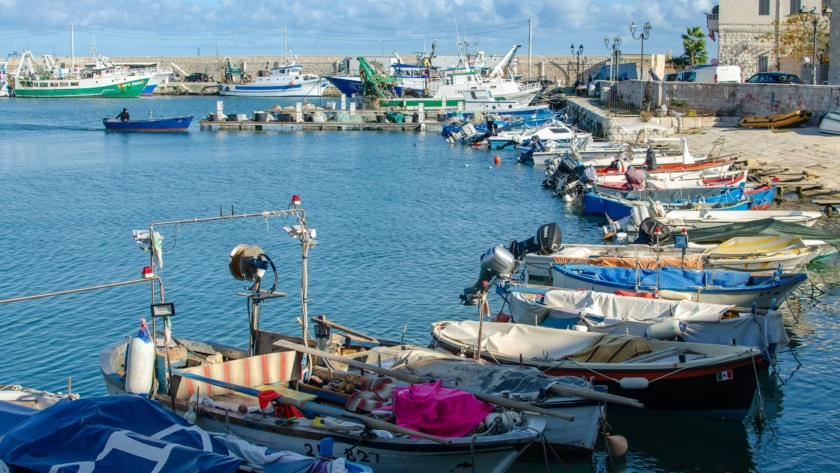
Malta is one of Europe’s most underrated destinations — a tiny Mediterranean archipelago with 7,000 years of history, crystal-clear waters, and honey-coloured streets that feel like stepping into another world. Whether you’re planning a long weekend or a full week, this Malta travel guide covers everything: the best time to visit, how to get around, where to stay, the best beaches, what to eat, and how much it all costs.
Quick answer: Malta is best visited in May, September, or October, when the weather is warm, beaches are swimmable, and crowds are manageable. A 5–7 day itinerary is ideal for covering Valletta, Mdina, Gozo, Comino, and the best beaches.
Why Visit Malta?
Malta sits just 50 miles south of Sicily, between Europe and North Africa — and its culture reflects exactly that. Phoenician temples older than the pyramids, Arab-influenced town names, British-style driving, and a distinctly Italian-leaning cuisine all live side by side here. It’s the smallest EU nation by area (316 km²), yet it packs in three inhabited islands, three UNESCO World Heritage Sites, and over 300 days of sunshine a year. And it’s still affordable by European standards, making it one of the best-value Mediterranean trips you can plan right now.
Best Time to Visit Malta
| Season | Months | Avg. Temp | Crowd Level | Best For |
|---|---|---|---|---|
| Spring | April – May | 20–24°C | Low–Medium | Sightseeing, hiking, culture |
| Summer | June – August | 28–32°C | High | Beaches, swimming, nightlife |
| Autumn | September – October | 24–27°C | Medium | Best all-round experience |
| Winter | November – March | 14–18°C | Low | Budget travel, city exploring |
The best time to visit Malta is September to October. Temperatures hover around 24–27°C, the sea is still warm enough to swim, and the summer rush has faded. Prices drop noticeably and you won’t be fighting crowds at the Blue Lagoon. May is a close second — comfortable, green, and lively without being overrun.
Avoid July and August if you’re sensitive to heat or crowds. The Blue Lagoon on Comino becomes extremely packed, and prices for accommodation spike. That said, if beach parties and a buzzy summer atmosphere are your thing, summer in Malta delivers.
Malta Itinerary: How Long Do You Need?
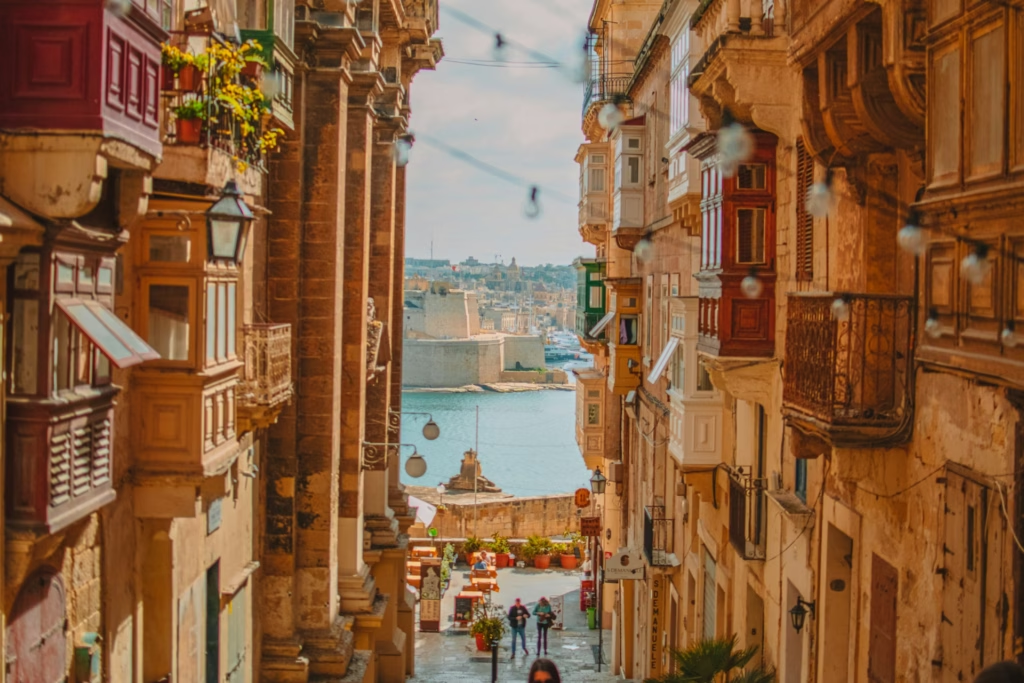
The Malta travel guide is incomplete without detailed itineraries. A 3-day Malta itinerary works if you focus on the main island. Five to seven days lets you do Malta, Gozo, and Comino without rushing.
3-Day Malta Itinerary
Day 1 – Valletta Spend your first day in the capital. Walk the fortifications, visit St. John’s Co-Cathedral (€15 entry, free during Sunday mass), and climb up to the Upper Barrakka Gardens for sweeping views over the Grand Harbour. Grab pastizzi (flaky savoury pastries for under €0.50) from a street vendor and wander the colourful side streets. Don’t miss the Grandmaster’s Palace.
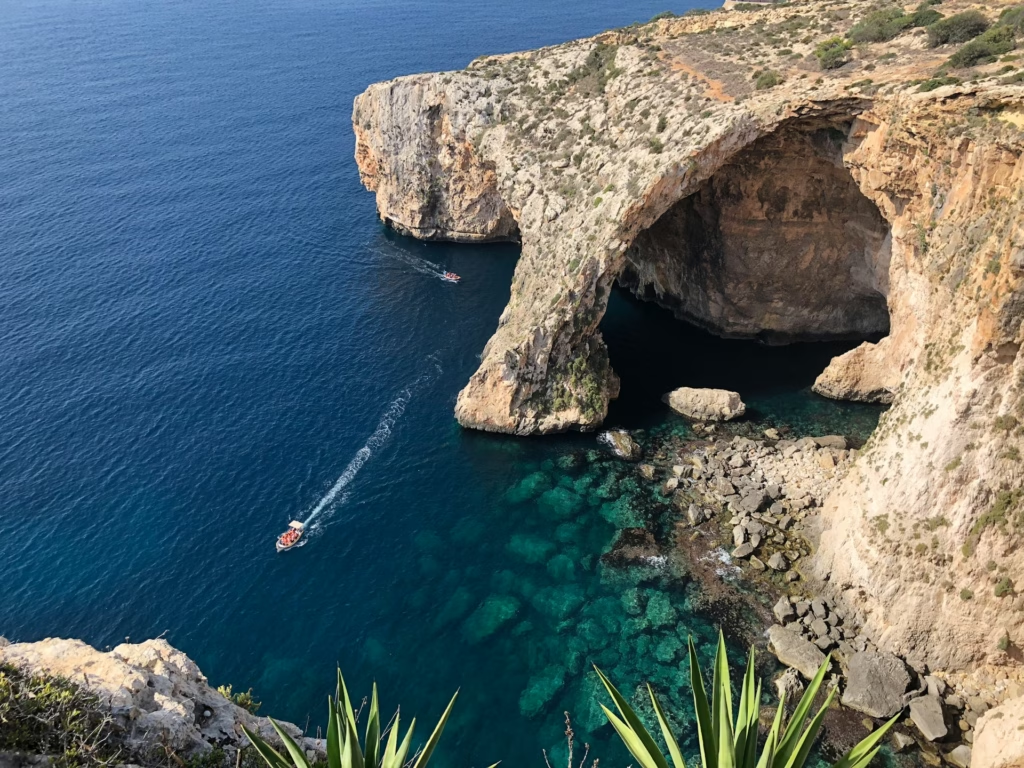
Day 2 – Mdina + the South Head to Mdina — Malta’s “Silent City” — in the morning before tour buses arrive. With fewer than 300 residents, its medieval limestone walls and narrow car-free streets are genuinely atmospheric. Nearby, visit the Blue Grotto sea caves (best on a sunny morning) and the ancient Ħaġar Qim megalithic temples (€10 entry). Finish at the pretty fishing village of Marsaxlokk for fresh fish at the waterfront.
Day 3 – Comino: Blue Lagoon Take an early ferry from Valletta or Cirkewwa to Comino. The Blue Lagoon is exactly as turquoise as the photos suggest — go early to claim your spot. Ferries from most operators cost €25–40 return. Return for a final evening stroll in Sliema or St. Julian’s.
5–7 Day Malta Itinerary
Add to the above:
- Day 4: Day trip to Gozo — Ramla Bay (Malta’s most beautiful sandy beach with russet-red sand), the Citadella fortress, and the scenic Gozo coast on foot or by quad bike.
- Day 5: St. Peter’s Pool (a natural limestone swimming hole, free), Dingli Cliffs at sunset, and Popeye Village.
- Day 6–7: Slow down. Pick a beach, take a food tour in Valletta, or dive the crystal-clear waters around the Marfa Peninsula.
Things to Do in Malta
Valletta
Europe’s smallest capital is a UNESCO World Heritage Site with over 300 monuments packed into an area you can walk end-to-end in 20 minutes. Beyond the cathedral and the palace, the vibe is the thing — outdoor tables spilling into narrow streets, locals sipping coffee in the afternoon shade, and one of the best harbours in the Mediterranean.
Mdina (The Silent City)
This 4,000-year-old fortified city served as Malta’s original capital. Visit around 2 PM when most day-trippers are at the beach and you’ll practically have it to yourself. The walking tour (€18, 2 hours) adds great historical context.
Blue Lagoon, Comino
One of the clearest bodies of water in Europe, with a brilliant turquoise colour that looks unreal. There are no permanent residents on Comino, no cars, and no hotels — just a small bay that draws thousands of visitors daily in summer. Go as early as possible.
Gozo Island
A 30-minute ferry from Cirkewwa takes you to Malta’s greener, quieter sister island. The landscape is wilder, the pace slower, and the beaches less crowded. Don’t miss Ramla Bay, the Ggantija megalithic temples (the world’s oldest free-standing stone structures, predating Stonehenge by 1,000 years), and the coastal walking trails.
St. Peter’s Pool
A hidden natural swimming pool carved into the limestone cliffs in the south of the island. No facilities, no entry fee — just locals jumping off the rocks and locals swimming in deep blue water. It’s one of those spots that makes you feel like you discovered something special.
Blue Grotto
Sea caves on Malta’s southern coast, best viewed by boat. The morning light turns the water luminescent. Boats run from about €10 and the excursion takes under 30 minutes.
Ħal Saflieni Hypogeum
The only prehistoric underground temple complex in the world — a 5,000-year-old subterranean necropolis. Entry is €50 and strictly limited to 80 visitors per day, so book weeks in advance on the Heritage Malta website.
Diving & Snorkelling
Malta is one of Europe’s best diving destinations. The waters are warm, clear, and full of wrecks, caves, and marine life. The Marfa Peninsula is a favourite spot for both beginners and experienced divers.
Best Beaches in Malta
| Beach | Island | Type | Best For |
|---|---|---|---|
| Blue Lagoon | Comino | Crystal clear water, sandy | Swimming, snorkelling |
| Ramla Bay | Gozo | Red-sand beach | Relaxed day out |
| Golden Bay | Malta (north) | Sandy, facilities | Families |
| Mellieħa Bay | Malta (north) | Sandy, shallow | Families, paddling |
| St. Peter’s Pool | Malta (south) | Natural rock pool | Local vibe, cliff jumping |
| Paradise Bay | Malta (north) | Small, sheltered | Quiet swimming |
| San Blas Bay | Gozo | Remote red sand | Hikers, adventurers |
The best beaches in Malta for swimming and scenery are the Blue Lagoon (Comino) and Ramla Bay (Gozo). For families and facilities, Golden Bay and Mellieħa Bay on the main island are the easiest options. If you want something quieter and more local, St. Peter’s Pool and San Blas Bay in Gozo require a little effort to reach but reward you with fewer crowds.
Where to Stay in Malta
Choosing where to stay is one of the most important aspects for a comprehensive Malta travel guide. However, it totally depends on your priorities: walkability to sights, beach access, or nightlife.
Valletta is the most atmospheric base, great for history lovers and first-time visitors. Hotels here fill up fast — book early. Options include the Palazzo Violetta (boutique, good value) and the iconic Phoenicia Malta (splurge-worthy gardens and infinity pool).
Sliema is the most practical all-rounder. It’s linked to Valletta by a 10-minute ferry, has a seaside promenade, loads of restaurants, and easy bus access everywhere. AX The Victoria Hotel and Palazzo Violetta Boutique Hotel are both popular here.
St. Julian’s is the go-to for nightlife and beach vibes. The Paceville area is where the bars and clubs are. The Malta Marriott Hotel & Spa and Hilton Malta are both located here with excellent pool facilities.
Mellieħa is quieter and closer to the north’s best beaches. Good for families or those who prefer a slower pace.
Budget tip: Dorm beds in hostels around Sliema or St. Julian’s average about $24–36 per night. Private hotel rooms start from around €50–70 per night in the shoulder season.
How to Get Around Malta
Malta is small enough that you can reach most places easily, but getting around efficiently saves time.
Bus (Tallinja): Malta’s public bus network covers the whole island and is the cheapest option. A single journey costs €2.00 in winter, €2.50 in summer, or €3.00 at night. For unlimited weekly travel, the Explore 7-Day Card costs €25. Download the Tallinja app for real-time routes.
Ferry: Ferries connect Valletta to Sliema (€1.50 one way, 10 minutes) and to the Three Cities — faster and more scenic than taking the bus. The Gozo ferry departs from Cirkewwa and costs €4.65 return for foot passengers, running frequently throughout the day.
Car Rental: Gives you the most freedom, especially for reaching remote beaches and cliff-top viewpoints. Daily rental rates average €25–50. Remember — Malta drives on the left. Parking in Valletta and Sliema is very limited, so leave the car and walk or take the ferry in city centres.
Taxi/Rideshare: eCabs and Bolt operate across Malta. Useful for airport transfers and late nights.
Bike/Scooter: A fun way to explore Gozo in particular, where roads are quieter. Quad bikes are popular and rented widely in Gozo.
Malta Travel Guide: Daily Budget
| Traveller Type | Daily Budget (per person) | What’s Included |
|---|---|---|
| Budget | €40–70 | Hostel dorm, local food, buses, free attractions |
| Mid-range | €100–160 | Private hotel, mid-range dining, tours |
| Luxury | €250+ | Boutique hotel/resort, fine dining, private excursions |
Malta is one of the more affordable Mediterranean destinations. A typical mid-range traveller spends around €100–138 per day, covering accommodation, food, transport, and sightseeing. Budget travellers who stay in hostels, eat at local cafés, use the bus, and focus on free attractions (beaches, Mdina, Valletta walks) can get by on €40–70 per day.
Key expenses to factor in:
- St. John’s Co-Cathedral: €15
- Blue Lagoon boat trip: €25–40 return
- Ħal Saflieni Hypogeum: €50 (book far in advance)
- Ħaġar Qim temples: €10
- Heritage Malta Multi-Site Pass: €60 (covers 20+ sites — great value if you plan to visit several)
- Pastizzi: under €0.50 — the best-value snack in Europe
- Meal at a local restaurant: €10–18 per person
- Beer at a bar: €3–4
Money-saving tips: Eat where locals eat (away from the Valletta waterfront tourist strip), buy the Heritage Malta multi-site pass if you’re doing 4+ sites, and visit the Blue Lagoon on a weekday morning to avoid the worst crowds and grab earlier, cheaper boat slots.
Tip: For a detailed budget and travel costs, check out Is Malta Expensive? A Local’s 2026 Guide to Smart Budgeting & Hidden Savings
Malta Travel Tips
- Book Ħal Saflieni Hypogeum weeks ahead. Entry is capped at 80 people per day. It sells out fast. Visit the Heritage Malta website to reserve.
- Go early to the Blue Lagoon. By midday in summer it’s packed. The first ferries from Cirkewwa arrive to a much quieter scene.
- Visit Mdina around 2 PM. Most tour groups have left and the city genuinely feels silent.
- Tap water is technically drinkable but tastes heavily treated. Most visitors buy bottled water — factor this into your daily spend.
- Tipping: 5–10% at restaurants is customary if no service charge has been added.
- Plugs: Type G (UK-style, three-pin). Bring a universal adapter.
- Currency: Euro (€). Card payments are widely accepted, but carry some cash for small vendors and markets.
- Language: Both Maltese and English are official languages. English is spoken everywhere — no language barrier at all.
- Driving: Left-hand side of the road. Parking is tight in city centres — use ferries and buses there.
- Sunscreen is expensive at tourist spots. Buy it at a supermarket on arrival.
What to Eat in Malta
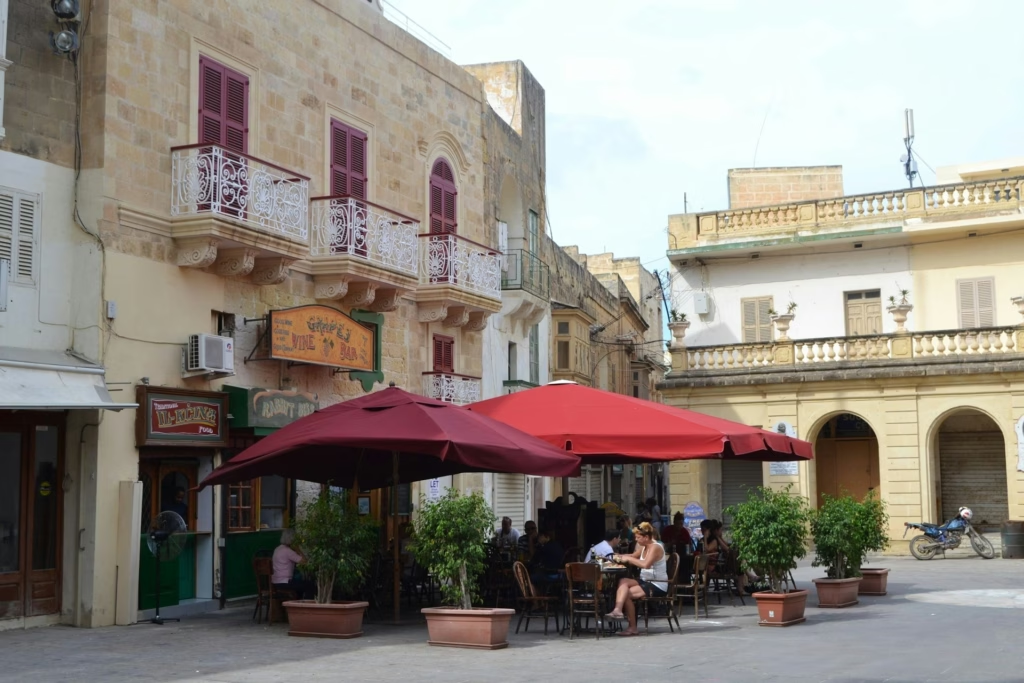
Maltese cuisine is a genuinely interesting mix of Mediterranean influences — you’ll taste Italy, North Africa, and Britain in the same meal.
- Pastizzi: Flaky savoury pastries filled with ricotta or mushy peas. The national snack. Under €0.50 each.
- Rabbit (Fenek): The national dish. Slow-cooked in wine and garlic or served as a rigatoni. Try it at La Pira Maltese Kitchen in Valletta.
- Ħobż biż-żejt: Maltese bread rubbed with tomatoes and drizzled with olive oil. Simple and delicious.
- Fresh seafood: Especially good at Marsaxlokk market on Sunday mornings.
- Ftira: A distinctive Maltese bread ring, often used for sandwiches.
- Kinnie: Malta’s own soft drink, bitter orange flavoured. Worth a try.
For a structured introduction to local food, a Valletta food tour (€40–60) is one of the best ways to spend a few hours.
Store Your Luggage in Malta with Radical Storage
Arriving early before check-in? Heading to a day trip on Gozo or Comino after checkout? Don’t let your bags slow you down.
Radical Storage offers convenient, secure luggage storage locations in Malta, so you can drop your bags and explore hands-free. With over 16,500 verified storage locations worldwide, it’s the easiest way to make the most of every hour — especially on travel days when you don’t want to drag a suitcase through Valletta’s steep streets or onto a ferry.
Every bag is insured up to €10,000, and booking takes seconds through the app or website.
Upcoming Events in Malta 2026
If you can plan your Malta itinerary around one of these events, you’re in for something special:
| Event | Dates | Location | What to Expect |
|---|---|---|---|
| Valletta Baroque Festival | Jan 8–25, 2026 | Valletta | Classical baroque music in historic venues including St John’s Co-Cathedral |
| Malta Carnival | Feb 13–17, 2026 | Valletta | Colourful parades, floats, masked dancers — one of Malta’s most visual traditions |
| Malta International Fireworks Festival | Apr 18, 20, 25 & 30, 2026 | Valletta & Nadur | 25th anniversary edition — pyro-musical displays over the Grand Harbour |
| Festa Frawli (Strawberry Festival) | Apr 12, 2026 | Mġarr | Local food stalls, strawberry produce, access to prehistoric sites |
| Malta International Arts Festival | June 2026 | Valletta | Theatre, installations, and performances across historic city venues |
| Malta International Wine Festival | June 2026 | Argotti Gardens, Floriana | 300+ wines, expert workshops, live music |
| Farsons Beer Festival | Jul 23 – Aug 1, 2026 | Ta’ Qali National Park | Free entry, live music, local and international beers |
| Dance Festival Malta | July 2026 | Valletta | Ballet, contemporary, flamenco — international and local performers |
| Defected Malta | Oct 1–4, 2026 | Various venues | 5th edition of the international house music festival |
Check Visit Malta’s official events calendar for the most up-to-date listings.
Getting to Malta
By Air: Malta International Airport connects to most European cities directly. Ryanair, Air Malta, easyJet, and Vueling all fly here. From outside Europe, you’ll connect through a hub like London, Paris, or Rome. From the airport, buses to Valletta (Route X4) take around 30 minutes and cost €2.50. Taxis and eCabs are also available.
By Ferry: A high-speed ferry connects Pozzallo in Sicily with Valletta (operated by Virtu Ferries, approximately 90 minutes). If you’re island-hopping around the Mediterranean, this is a scenic option.
Malta Travel Guide: In a Nutshell
Malta rewards curious travellers. It’s small enough to see a lot in a short time, but rich enough in history, food, and scenery that a week still leaves you wanting more. The combination of prehistoric temples, baroque cities, brilliant blue water, and genuinely good food — all at prices below most of Western Europe — makes it one of the Mediterranean’s best kept secrets.
Done reading the Malta travel guide? Get more travel inspiration from our Best Places to Visit in Europe guide.
Sources
- Visit Malta official tourism authority: visitmalta.com
- Budget Your Trip, Malta cost data: budgetyourtrip.com/malta
- Heritage Malta (entry prices and booking): heritagemalta.mt
- ESE Malta events calendar 2026: ese-edu.com
- Malta Fireworks Festival official site: maltafireworksfestival.com
- Nomadic Matt Malta guide: nomadicmatt.com