

When December arrives, Germany doesn’t just celebrate Christmas, it lives it. Cities and villages glow with candlelight, choirs fill historic squares with carols, and the smell of roasted almonds drifts through the frosty air. For centuries, Germany has perfected the art of Christmas markets, transforming ordinary streets into dazzling winter spectacles.
The best Christmas markets in Germany 2025 combine history, craftsmanship, and cozy cheer. Whether you’re wandering through medieval towns, sipping mulled wine by a cathedral, or discovering hidden corners of a small German Christmas village, every market feels like a festive dream brought to life.
When Do Christmas Markets Start in Germany?
Christmas markets in Germany usually open during the last week of November and continue until Christmas Eve, with some, such as Berlin’s, extending into early January. This timing makes late November to mid-December the best window for travelers.
The atmosphere varies by region: southern markets, like Munich or Nuremberg, offer traditional Bavarian touches, while northern cities such as Hamburg or Lübeck embrace maritime and cultural influences. Wherever you go, Germany in December means fairy lights, comfort food, and joyful celebration.
The 10 Best Christmas Markets in Germany 2025
Nuremberg Christkindlesmarkt
Germany’s most legendary Christmas market takes over Nuremberg’s Hauptmarkt with over 180 stalls, the scent of Lebkuchen (gingerbread), and the ceremonial appearance of the Christkind, the golden-haired angel who opens the festivities.
Dresden Striezelmarkt
Founded in 1434, this is one of the oldest markets in the world. It’s famous for its giant wooden pyramid, handcrafted ornaments, and the annual Stollen Festival celebrating Dresden’s iconic fruit bread.
Cologne Christmas Market
Set against the majestic Cologne Cathedral, this market radiates romance and grandeur. Visitors can ice skate, shop for local art, and enjoy riverside lights reflecting off the Rhine.
Munich Christkindlmarkt
Located in Marienplatz, Munich’s market blends tradition and music. The city also hosts themed markets, including a medieval Christmas fair and a cozy Tollwood Winter Festival with eco-friendly crafts and performances.
Berlin Christmas Markets
Berlin offers more than 70 Christmas markets, from elegant Gendarmenmarkt to alternative markets filled with street art, vegan treats, and design stalls. Every neighborhood celebrates in its own style.
Rothenburg ob der Tauber
This perfectly preserved medieval town transforms into a storybook setting. Wooden stalls glow under garlands, choirs perform in the square, and fresh snow often completes the fairy-tale atmosphere.
Stuttgart Christmas Market
Known for its artistic flair, Stuttgart’s market features 280 beautifully decorated roofs, a children’s fairy-tale land, and gourmet stands serving local Swabian delicacies.
Hamburg Christmas Markets
In Hamburg, you’ll find both elegance and eccentricity, from the historic market at the Town Hall to the quirky Santa Pauli market in the city’s nightlife district.
Frankfurt Christmas Market
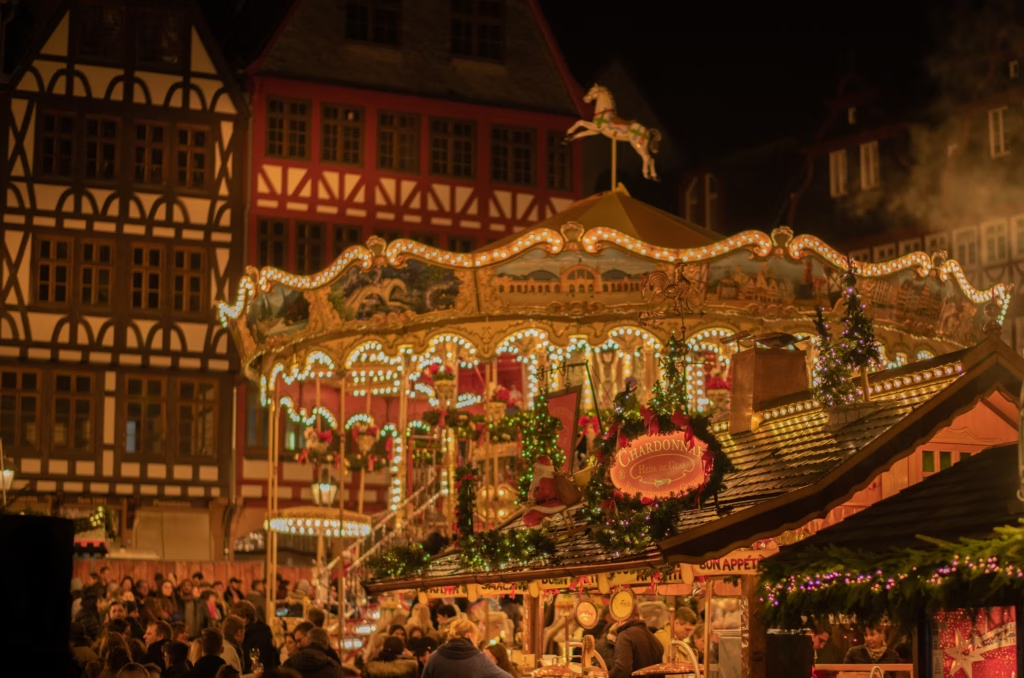
Frankfurt’s market blends traditional charm with a modern city skyline. Try local apple cider (Apfelwein) and stroll the Römerberg square under a sea of golden lights.
Leipzig Christmas Market
With origins dating back to 1458, Leipzig’s festive fair includes a giant advent calendar, historic carousels, and live choirs singing classical Christmas hymns.
Beyond the Cities: Hidden German Christmas Villages
Away from the crowds, small towns and mountain villages offer a slower, more intimate kind of Christmas. In the Black Forest, snow-covered squares twinkle under lanterns, while towns like Monschau and Goslar charm visitors with half-timbered houses, handmade gifts, and peaceful winter scenes.
These lesser-known German Christmas villages often capture the heart of travelers more than the famous ones, with fewer people, more authenticity, and pure festive warmth.
What Makes German Christmas Markets Special
Germany is the birthplace of the Christmas market tradition, and it shows in every detail. Visitors can expect:
- Unforgettable flavors: From roasted chestnuts and bratwurst to marzipan, waffles, and mulled wine (Glühwein).
- Unique gifts: Look for nutcrackers, glass ornaments, candles, and lacework, all crafted by local artisans.
- Atmosphere: Market squares glow with fairy lights, and old churches host live choirs, filling the air with music.
- Tradition: Many markets follow customs centuries old, blending faith, community, and creativity.
Travel Tips for Visiting Christmas Markets in Germany
- Use the train: Germany’s rail network connects all major market cities and is the best way to travel in winter.
- Stay central: Book hotels near the old town squares; most markets are within walking distance.
- Visit weekdays: Crowds are lighter, prices are better, and you’ll enjoy a more relaxed experience.
- Bundle up: December nights can be icy, so bring scarves, gloves, and boots.
- Try regional treats: Each city has its signature flavor, Nuremberg gingerbread, Dresden stollen, Cologne’s mulled wine punch.
Store Your Bags with Radical Storage
Whether you’re exploring several cities in a week or stopping for a few hours between trains, Radical Storage helps you enjoy Christmas markets hands-free. Secure, affordable luggage storage is available across Germany, from Berlin to Munich and Frankfurt, near train stations, shops, and tourist centers.
Book luggage storage in Berlin or any other German city at Radical Storage and enjoy the markets without carrying heavy bags.
FAQs About German Christmas Markets
They usually open in the last week of November and close by December 23 or 24, depending on the city.
Nuremberg, Dresden, and Cologne are often ranked among the 10 best Christmas markets in Germany for their scale, tradition, and festive spirit.
Not necessarily. Food and drinks cost around €5–10, and most markets are free to enter, making them affordable to enjoy.
Look for local crafts, hand-carved ornaments, candles, or nutcrackers make excellent souvenirs.
Absolutely! Christmas in Germany offers magical lights, cozy cafes, and authentic winter traditions you won’t find anywhere else.
Final Thoughts
The best Christmas markets in Germany 2025 promise more than souvenirs; they offer memories wrapped in warmth, laughter, and light. Whether it’s sipping Glühwein in a bustling square or hearing bells echo through a quiet village, every market tells a story rooted in centuries of joy.
So bundle up, follow the scent of cinnamon and pine, and let Christmas in Germany enchant you, one glowing market at a time.