

The way we travel can change as we age, with shifting priorities and family dynamics influencing where and how we travel.
For younger travelers, short trips and backpacking adventures could be more appealing, while older generations might prefer slower-paced, more relaxing holidays. These age-based travel statistics and trends can help us understand the differences in travel preferences for people in varying age groups.
In this article, we’ll discover how attitudes to travel vary across generations, including who travels the most, the types of trips people take, and typical travel budgets among different age groups.
Key statistics
- People aged 35-44 are the most likely to have traveled in the past year (92%), while people over 65 are the least likely (77%).
- Those aged 35-44 and over 55 are most likely to travel soon, with three-quarters (74.6%) of both groups saying they intend to travel in Europe within the next six months.
- Holidaygoers over 65 typically spend the most on traveling, at an average of €568 per trip, while 18-24s spend the least (€405 per trip).
- For all age groups, most people stay for 4-6 nights when they travel, with those aged 35-44 most likely to take a trip of this length (47.9%).
- Those aged 54 and over are the most likely to take a trip of 12 days or longer, though only 9.9% of people in this age group take breaks that long.
- Gen Zers are the most likely to choose the all-inclusive option when traveling (52.8%), while baby boomers mostly prefer non-all-inclusive hotels (39.4%).
- Among all age groups except Gen Z, relaxation is the main reason for traveling, while Gen Z’s biggest reason for travel is spending time with friends and family (65%).
Travel in the last 12 months by age group
Data from a study of UK-based travelers found that people aged 35-44 were the most likely to have traveled on holiday in the past 12 months, either in the UK or abroad (92%), and many urban visitors to the capital arrange luggage storage in London to explore more freely. They were also the most likely age group to have traveled abroad during this period (60%).
Those in the oldest age group (65 or older) were the least likely to have taken any type of holiday in the last 12 months, though more than three-quarters (77%) reported having been on holiday, either in the UK or abroad.
People aged 25-34 are the most likely group to have taken a trip within the UK in the last 12 months (74%).
For all age groups, more people had taken a UK-based holiday in the last 12 months than a trip abroad.
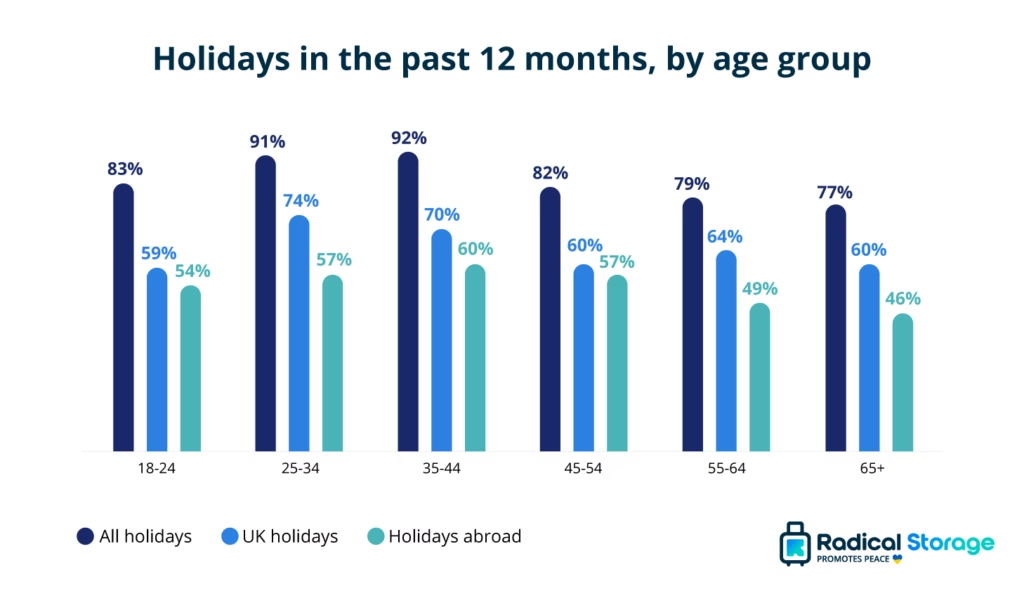
Source [1]
Intention to travel by age group
Data from a study of European travelers by the European Travel Commission found that more than half of the people in every age group say they are likely to travel in Europe in the next six months, with major hubs such as Paris often seeing visitors rely on secure lockers in Paris during busy trips. People aged 35-44, and over 55 have the strongest sentiment of all age groups, with three-quarters (74.6%) of both groups saying they are likely to travel in Europe in the next six months.
Younger people are the least likely to be planning travel in the next six months, with 22% saying they will be very unlikely to take a trip, although 63.9% still said they were likely to travel soon.
Source [2]
Why do different generations travel?
People can choose to travel for various reasons, from relaxing and taking time out from work, to seeking adventure and wanting to enjoy cultural experiences in historic cities, where travelers may use baggage facilities in Rome between activities. The reasons for travel can vary for different age groups; let’s take a look at the most common reasons why people from different generations travel.
Relaxation is the most common reason for travel for most age groups
Across all age groups, the most common reason people go on holiday is to relax, with 73% of people citing this as a reason. Relaxation was the top reason for holidaying across all generations except for Gen Z (age 13-28). Gen Xers (age 45-60) and those in the silent generation (over 80) are most likely to travel for relaxation (77% for both). For Gen Z, the most common reason for traveling was to spend time with friends and family (65%).
Other top reasons for traveling include spending quality time with family and friends (63%) and taking care of mental health and well-being (50%). Spending time with family and friends is important for Millennials (69%) and Gen Z (65%). More than half of Gen Z, millennials, and Gen X say that the mental health benefits of travel are important to them.
Data note: Respondents could choose more than one option.
Source [1]
The types of holidays different generations prefer
Travelers from different age groups also prefer different types of accommodation, particularly in busy destinations like Barcelona, where many visitors use baggage storage Barcelona before hotel check-in. Data from another Radical Storage survey shows how the generations differ when it comes to where they stay on holiday.
The most common type of accommodation across all age groups is all-inclusive hotels, with 36.8% of people surveyed saying they most prefer this, followed by other types of hotels (31%).
Gen Zers are the most likely to choose the all-inclusive option when traveling; more than half (52.8%) of people in this age group say they most often choose this type of accommodation.
Older travelers prefer to stay at non-all-inclusive hotels, with baby boomers (39.4%) and the Silent Generation (45.5%) the most likely to book this type of hotel.
Who do different generations prefer to travel with?
Who we choose to go on holiday with can also vary by age, with different life stages impacting our travel plans. People in younger (18-34) and older (over 55) generations are more likely to travel with their romantic partners, with people aged 65 and over being the most likely (59%).
Those closer to middle age (35-54) are more likely to travel with the whole family, with people in the 35-44 age range being most likely to travel this way (43%). The youngest group (18-24s) are the most likely age group to travel with friends (31%), while the 45-54s are the most likely group to travel with their children (16%).
The data also shows that older generations are the most likely to travel solo, with people aged 65 and over being the most likely to prefer taking a trip on their own (9%).
Source [3]
How much do different generations spend on travel?
The average amount that people spend on travel varies for different age groups. 2023 data from a study of EU nationals shows that older people typically spend more per trip when traveling. The data shows that over-65s spend the most (€568.31 per trip), while 18-24s spend the least (€405 per trip).
The average spend among all age groups has risen between 2020 and 2023, increasing from €334 to €510 during this time. If growth continues at the same rate, by 2027, the average spend on travel could be €779.09 per trip including transport, accommodation, and food.
Source [4]
Average spend on travel by country
The data in the table below shows the average spend per trip by travelers from different countries, and in different age groups.
In every age group, people from Luxembourg spend the most per trip, with those aged 65 and over spending the most overall (€1,731). This average is likely high due to the high costs of food, goods and services in Luxembourg, making domestic travel much more expensive compared to other countries in Europe. [4]
Over-65s from Lithuania spend the least overall, with an average of just €142.69 per trip.
Average length of stay by age group
For all age groups, most travelers stay for 4-6 nights when they travel, with people aged 35-44 most likely to take a trip of this length (47.9%). Travelers in the 25-34 age range are the most likely group to take a short trip of up to three nights, especially in compact capitals like Amsterdam where left luggage Amsterdam services help them maximize their time, or in sunny city-break destinations such as Lisbon where Lisbon luggage storage allows visitors to explore freely before departure.
People aged 54 and above are the most likely to spend more than 12 nights on a trip (9.9%), though this is the least common option among all age groups.
Source [2]
Sources
- ABTA Holiday Habits – https://www.abta.com/sites/default/files/media/document/uploads/Holiday%20Habits%202024_Final_081024.pdf
- European Travel Commission Sentiment for Intra European Travel – https://etc-corporate.org/reports/monitoring-sentiment-for-intra-european-travel-autumn-winter24/
- Exploring Travel Habits by Generation – https://www.skyparksecure.com/blog/exploring-travel-habits-generation
- The Cost of Living in Luxembourg – https://www.bgl.lu/en/individuals/blog/living-in-luxembourg/cost-of-living-luxembourg.html
- Eurostat Expenditure by Age Group of the Tourist – https://ec.europa.eu/eurostat/databrowser/view/tour_dem_exage/default/table?lang=en
