

Planning a trip to Thailand? The best time to visit Thailand is between November and February when the weather is cool and dry across most regions. This peak season offers ideal conditions for exploring beaches, cities, and northern mountains alike. However, the optimal time to visit can vary significantly depending on which regions you plan to explore, your budget constraints, and the experiences you’re seeking.
Thailand’s tropical climate creates distinct regional weather patterns that smart travelers should consider when planning their trip. Whether you’re exploring Bangkok’s vibrant streets, relaxing on Phuket’s beaches, or trekking through Chiang Mai’s mountains, timing your visit strategically ensures the best possible experience.
This comprehensive guide breaks down Thailand’s climate by region, month, and travel interest to help you determine exactly when to plan your Thai adventure.
Thailand’s Climate: A Quick Overview
Before diving into specific recommendations, understanding Thailand’s three main seasons is essential:
| Season | Months | Weather Characteristics | Best For |
|---|---|---|---|
| Cool, dry season | November-February | Comfortable temperatures (70-86°F/21-30°C), minimal rainfall | Beach holidays, sightseeing, outdoor activities |
| Hot season | March-May | High temperatures (80-100°F/27-38°C), increasing humidity | Water festivals, diving in the Gulf, budget travel |
| Rainy season | June-October | Regular rainfall, occasional storms, high humidity | Lush landscapes, fewer tourists, significant discounts |
What makes Thailand’s weather patterns interesting is that they vary significantly by region. The Andaman coast, Gulf coast, northern mountains, and central plains each experience different microclimates and monsoon timings.
Best Time to Visit Thailand by Region
| Region | Best Time to Visit | Weather Conditions | Things to Consider |
|---|---|---|---|
| Bangkok | November-February | 75-90°F (24-32°C), low humidity | Avoid April (extreme heat) and September-October (heavy rain) |
| Phuket & Andaman Coast | November-April | 75-90°F (24-32°C), clear waters | May-October brings monsoon rains and rough seas |
| Gulf Islands (Koh Samui, etc.) | February-September | 77-90°F (25-32°C), sunny | October-December brings heaviest rainfall |
| Northern Thailand (Chiang Mai) | October-April | 70-90°F (21-32°C), clear skies | Avoid March-May (burning season) |
Best Time to Visit Bangkok, Thailand

Bangkok experiences hot temperatures year-round, but the best time to visit Bangkok, Thailand is between November and February when humidity levels drop and temperatures are more comfortable (averaging 75-90°F/24-32°C).
Avoid: April is extremely hot in Bangkok, often exceeding 95°F (35°C), while September and October bring the heaviest rainfall, potentially causing urban flooding.
Budget tip: For fewer crowds and reasonable weather, consider June through August when rainfall usually comes in brief afternoon showers rather than all-day downpours.
Best Time to Visit Phuket, Thailand

The best time to visit Phuket, Thailand spans from November through April when the Andaman Sea is calm and clear—perfect for diving, snorkeling, and beach activities. December through March offers the most reliable sunny days with temperatures around 75-90°F (24-32°C).
Avoid: May through October brings the southwest monsoon, with particularly heavy rainfall in September and October. Some smaller boat services to surrounding islands may be suspended during this period.
Budget tip: May and October are shoulder months where you might catch good weather at significantly lower prices.
Best Time to Visit Thailand Beaches (Gulf Coast: Koh Samui, Koh Phangan, Koh Tao)

Unlike the Andaman coast, the best time to visit Thailand’s Gulf Coast beaches is from February to September, with the prime period being March through August. These islands experience a different monsoon pattern than the western coast.
Avoid: October through December brings heavy rainfall to these islands, with November typically being the wettest month.
Budget tip: February and September offer good value with favorable weather conditions and lower accommodation rates.
Best Time to Visit Chiang Mai and Northern Thailand
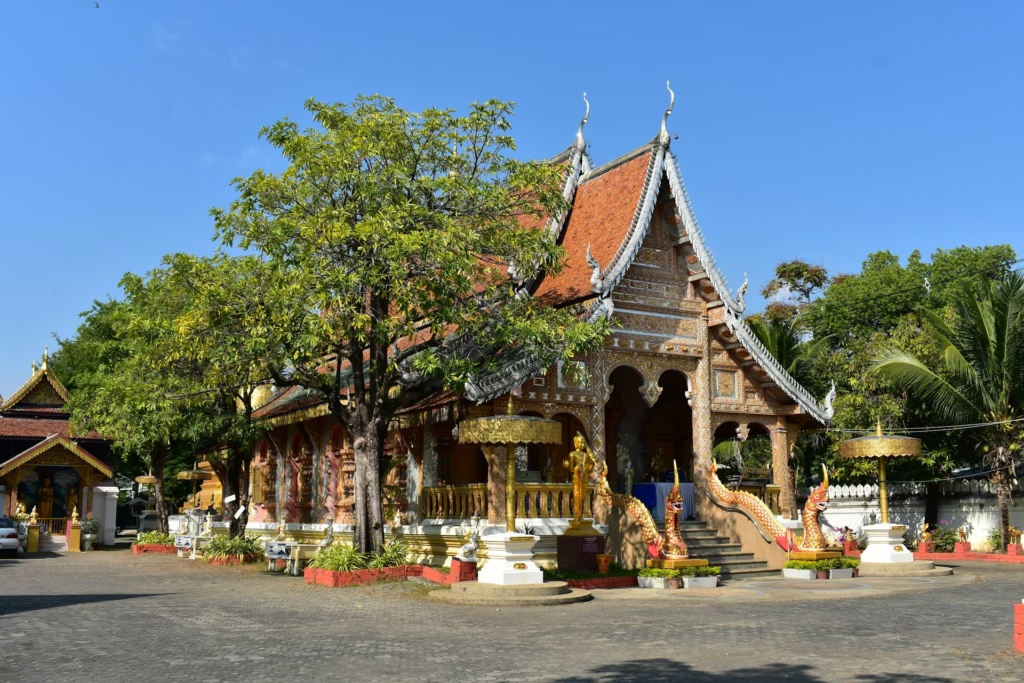
The best time to visit Chiang Mai is between October and April, with October to February offering the most comfortable temperatures for exploring temples and trekking in the mountains.
Avoid: March through May brings extremely hot temperatures and poor air quality due to agricultural burning, while the rainy season from June to September can make mountain roads difficult to navigate.
Budget tip: Late October and early November offer pleasant weather just before high season prices kick in.
Best Time to Visit Thailand Month by Month
| Month | Weather | Temperature | Crowds | Costs | Highlights |
|---|---|---|---|---|---|
| November | End of rainy season | 75-88°F (24-31°C) | Moderate | Medium | Loy Krathong festival |
| December | Cool and dry | 72-86°F (22-30°C) | Very high | Very high | Christmas/New Year celebrations |
| January | Cool and dry | 70-86°F (21-30°C) | Very high | Very high | Perfect beach conditions |
| February | Dry, warming up | 73-90°F (23-32°C) | High | High | Chinese New Year |
| March | Hot and dry | 77-95°F (25-35°C) | Moderate | Medium | Beginning of Songkran |
| April | Very hot | 80-100°F (27-38°C) | Moderate | Medium | Songkran (Thai New Year) |
| May | Hot, some rain | 77-95°F (25-35°C) | Low | Low-Medium | Visakha Bucha Day |
| June | Increasing rain | 77-90°F (25-32°C) | Low | Low | Fewer tourists |
| July | Regular rain | 77-90°F (25-32°C) | Low | Low | Green landscapes |
| August | Frequent rain | 77-88°F (25-31°C) | Low | Low | Good deals on accommodation |
| September | Peak rainfall | 75-88°F (24-31°C) | Very low | Very low | Least crowded |
| October | Decreasing rain | 75-88°F (24-31°C) | Low | Low | Vegetarian Festival |
November to February: Peak Season
This period represents the best season to visit Thailand for most travelers, with ideal weather conditions nationwide.
March to May: Hot Season
This period marks Thailand’s hottest months, with temperatures climbing nationwide.
June to October: Rainy Season
The southwest monsoon brings rainfall to most of Thailand during these months.
Best Time to Visit Thailand Based on Interests
Best Month to Visit Thailand for Beaches
The best month to visit Thailand for beach experiences depends on which coast you’re visiting:
- Andaman Coast (Phuket, Krabi, Phi Phi): December through March offers calm seas and excellent visibility for snorkeling and diving.
- Gulf Coast (Koh Samui, Koh Phangan): March through August provides the most reliable beach weather.
Best Time to Visit Thailand for Weather and Sightseeing
For temple hopping, city exploration, and general sightseeing, December and January offer the best time to visit Thailand for weather conditions. Temperatures are comfortable, rainfall is minimal, and the skies are typically clear—perfect for photography.
Best Time to Go to Thailand for Festivals
Thailand’s vibrant cultural calendar offers unique experiences throughout the year:
- November: Loy Krathong/Yi Peng (Festival of Lights) – Beautiful lantern festivals, especially spectacular in Chiang Mai
- April: Songkran (Thai New Year) – The famous nationwide water festival
- October: Vegetarian Festival in Phuket – Fascinating cultural celebrations
- May/June: Rocket Festival in northeastern Thailand – Unique cultural experience
Best Time to Visit Thailand for First-Timers
For those wondering about the best places to visit in Thailand for first-timers and when to go, the period from late November to early February offers the most reliable weather for a multi-destination itinerary. This allows you to experience Bangkok, northern Thailand, and the beaches without weather disruptions.
Cheapest Time to Go to Thailand
The cheapest time to go to Thailand aligns with the low season from July to October. During these months, you can find:
- Hotel discounts of 30-50% compared to peak season
- Lower prices for tours and activities
- Less competition for accommodations
- Fewer crowds at major attractions
May and June also offer good value as shoulder season months, with decreasing crowds but before the heaviest rains arrive.
| Expense Category | Peak Season (Nov-Feb) | Shoulder Season (Mar-May, Oct) | Low Season (Jun-Sep) |
|---|---|---|---|
| Hotel Rates | 100% (base price) | 70-90% of peak prices | 50-70% of peak prices |
| Flight Costs | Highest | Medium | Lowest (except July-August) |
| Tour Prices | Premium rates | Some discounts available | Significant discounts (20-40%) |
| Restaurant Costs | Higher prices in tourist areas | Standard prices | Potential for deals and promotions |
According to recent tourism data, accommodation prices in popular destinations like Phuket and Koh Samui can be up to 40% lower during the rainy season compared to peak season rates.
Worst Time to Visit Thailand

While Thailand is a year-round destination, certain combinations of weather and regional factors create what might be considered the worst time to visit Thailand for specific areas:
- Northern Thailand: March to May (extreme heat and poor air quality from agricultural burning)
- Andaman Coast: September to October (heaviest rainfall, rough seas)
- Gulf Islands: November (peak rainfall)
- Bangkok: April (extreme heat) and October (heaviest rainfall with potential flooding)
Planning Tips for Your Thailand Visit
Regional Rainfall Patterns
Thailand’s rainfall patterns vary significantly by region:
| Region | Rainiest Months | Average Rainfall During Peak Rainy Season | Notes |
|---|---|---|---|
| Andaman Coast | May to October | 300-400mm per month (Sep-Oct) | Rough seas may limit boat access |
| Gulf Coast | October to December | 300-500mm per month (Nov) | Different monsoon pattern than west coast |
| Northern Thailand | June to September | 200-300mm per month (Aug-Sep) | Mountain roads may be affected |
| Central Thailand | September and October | 300-400mm per month | Potential for flooding in Bangkok |
Accommodation Booking Strategies
- Peak season (November-February): Book 3-6 months in advance, especially for premium accommodations
- Shoulder seasons (March-May, October): Book 1-3 months ahead
- Low season (June-September): Often possible to book just weeks ahead, except for premium properties
Making the Most of Your Bangkok Visit
When exploring Bangkok, particularly during the best months of November through February, you’ll likely want to maximize your sightseeing time without being weighed down by luggage. If you’re arriving early before hotel check-in or have a late flight after checkout, consider using Radical Storage’s luggage storage service in Bangkok. For just ฿160 per bag per day (approximately $5 USD), you can securely store your belongings at verified locations near major attractions and transportation hubs, giving you the freedom to explore the city unencumbered.
What to Pack for Thailand trip Based on Season
| Season | Essential Items | Weather Considerations | Activities |
|---|---|---|---|
| Cool Season (Nov-Feb) | Light layers, light jacket for north, sun protection | Morning/evening coolness in north | All outdoor activities ideal |
| Hot Season (Mar-May) | Lightweight clothing, hat, sunscreen, swimwear | Extreme heat (95-100°F/35-38°C possible) | Water activities, early morning/evening sightseeing |
| Rainy Season (Jun-Oct) | Quick-dry clothing, waterproof phone case, rain jacket | Afternoon downpours, high humidity | Indoor activities during peak rainfall hours |
FAQs: Best Time to Travel to Thailand
The best time for a Thailand honeymoon is between November and February when weather conditions are optimal across the country. For couples seeking privacy, consider a shoulder season visit in November or May when you’ll find fewer crowds but still experience generally favorable weather.
To avoid crowds while still enjoying reasonable weather, consider visiting during the shoulder months of May, September, or October. You’ll encounter significantly fewer tourists, particularly in popular destinations like Phuket and Bangkok.
Northern Thailand’s burning season typically runs from late February through April. During this time, agricultural burning creates haze and poor air quality, particularly around Chiang Mai and Chiang Rai. Those with respiratory issues should consider avoiding northern Thailand during this period.
Yes! The rainy season (June–October) offers several advantages:
– Lush, green landscapes and flowing waterfalls
– Significantly lower prices for accommodation
– Fewer tourists at major attractions
– Rain typically falls in afternoon showers rather than all-day downpours
Thailand experiences similar monsoon patterns to neighboring countries, but with important regional variations:
– Vietnam: Different weather patterns between north and south (similar to Thailand)
– Cambodia: More extreme wet/dry seasons than Thailand
– Malaysia: Less distinct seasons than Thailand, with year-round rainfall
Conclusion: When Is the Best Time to Visit Thailand?
The overall best time of year to visit Thailand is between November and February when weather conditions are most favorable nationwide. However, savvy travelers can find excellent experiences year-round by tailoring their itinerary to seasonal conditions.
For beach lovers, December through March offers ideal conditions on the Andaman coast, while March through August is perfect for Gulf coast islands. Cultural enthusiasts will enjoy November for the Loy Krathong festival or April for Songkran celebrations. Budget travelers should consider the shoulder seasons of May-June or September-October for the best balance of reasonable weather and lower prices.
Whatever season you choose to visit Thailand, understanding the regional climate patterns will help you make the most of your journey through this extraordinarily diverse and beautiful country.
Useful Sources:
Thai Meteorological Department
Tourism Authority of Thailand
Thai National Parks Information
