
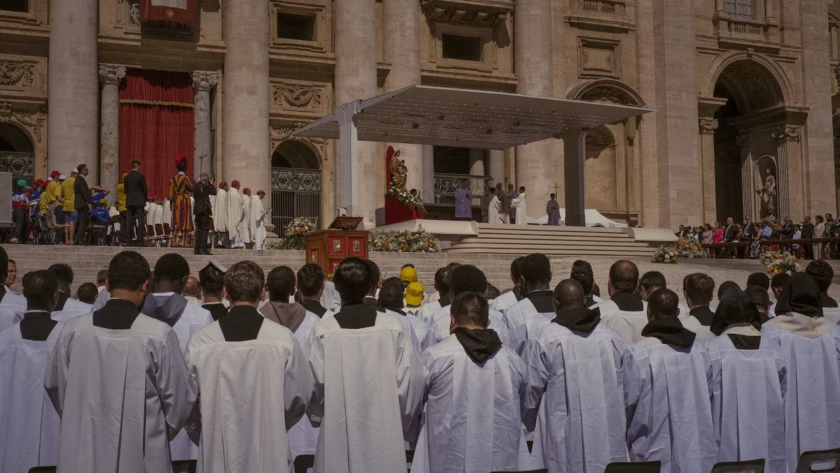
Easter in Rome represents one of the most profound spiritual experiences in the Christian world. The Eternal City becomes the focal point for millions of pilgrims and visitors who gather to witness centuries-old traditions unfold against a backdrop of ancient monuments and sacred basilicas. For 2026, Easter in Rome 2026 offers a unique opportunity as the recent conclusion of the Ordinary Jubilee 2025 leads directly into a special Franciscan Jubilee year, maintaining a unique atmosphere of pilgrimage throughout the city in the Catholic calendar.
Easter Sunday falls on April 5, 2026, marking the culmination of Holy Week, a period of solemn ceremonies, ancient processions, and joyful celebrations that begin on Palm Sunday, March 29. Whether you’re a devout pilgrim seeking spiritual renewal or a cultural enthusiast drawn to Rome’s living traditions, this guide covers everything you need to know about experiencing Easter in the heart of Christianity.
Easter in Rome 2026: Key Dates
The main dates for Easter in Rome 2026 follow the traditional liturgical calendar:
| Day | Date & Main Event |
| Palm Sunday | March 29 | Mass in St Peter’s Square 10:00 AM |
| Holy Thursday | April 2 | Chrism Mass 9:30 AM | Evening Mass 5:30 PM |
| Good Friday | April 3 | Passion Service 5:00 PM | Via Crucis Colosseum 9:15 PM |
| Holy Saturday | April 4 | Easter Vigil Mass 7:30 PM |
| Easter Sunday | April 5 | Mass 10:15 AM | Urbi et Orbi Blessing 12:00 PM |
| Easter Monday | April 6 | Public holiday (Pasquetta) |
Holy Week in Rome: Day-by-Day Celebrations
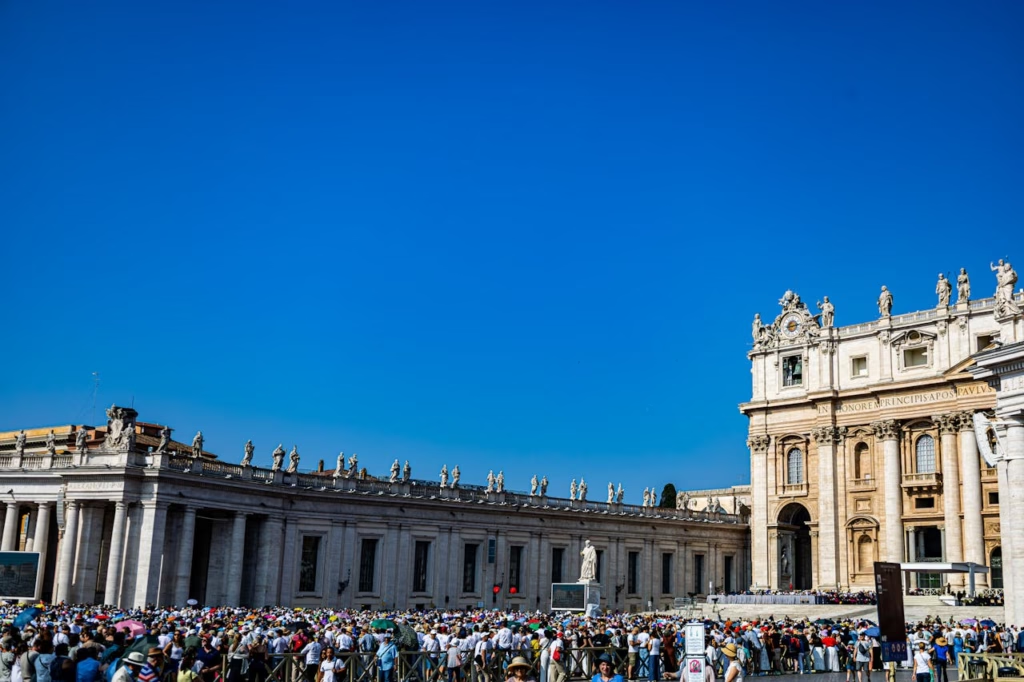
Holy Week in Rome represents the most sacred period in the Catholic calendar, commemorating the final days of Jesus Christ’s life. The week unfolds with a series of ceremonies that blend ancient tradition with living faith.
Palm Sunday (March 29)
The week begins with Palm Sunday Mass in St Peter’s Square at 10:00 AM. The Pope blesses palm fronds and olive branches, which the faithful wave during the celebration. This commemor Christ’s triumphant entry into Jerusalem, when crowds greeted him with palm branches. Arriving at least two hours early is recommended to secure a viewing spot in the square.
Holy Thursday (April 2)
Holy Thursday features two significant Masses. The Chrism Mass begins at 9:30 AM in St Peter’s Basilica, where the Pope blesses the holy oils used throughout the year for sacraments. The evening Mass of the Lord’s Supper at 5:30 PM commemorates the Last Supper. During this service, the Pope performs the foot-washing ceremony, recreating Jesus’s act of humility toward his disciples.
Good Friday (April 3)
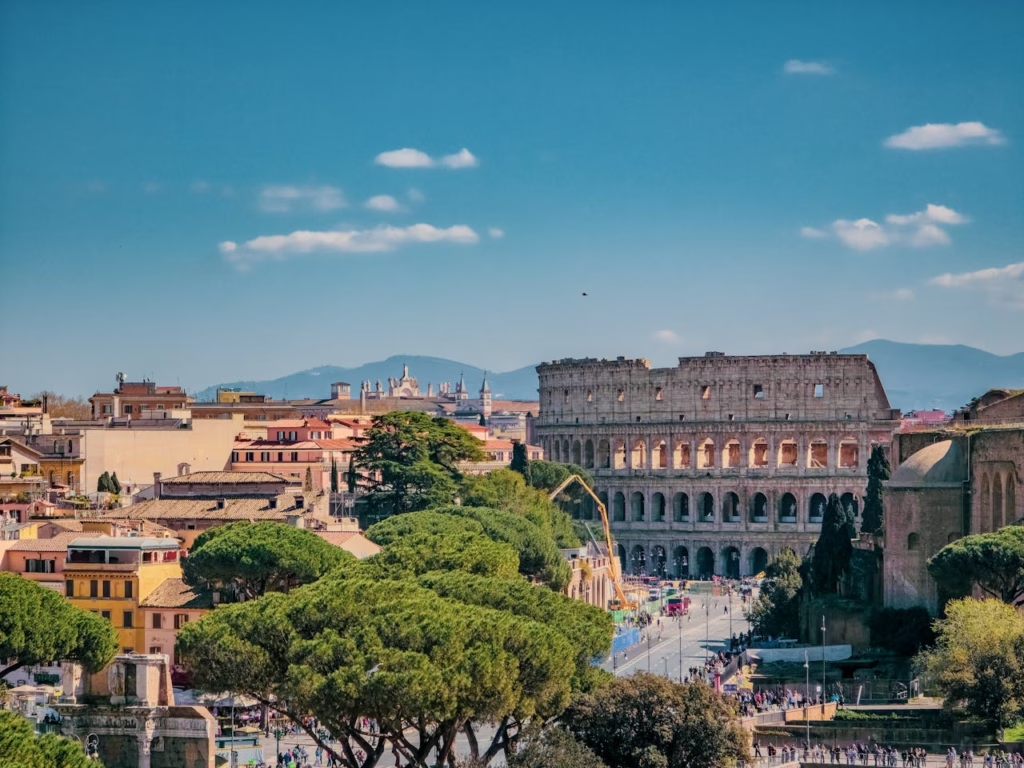
Good Friday is the most solemn day of Holy Week. At 5:00 PM, the Celebration of the Passion of the Lord takes place in St Peter’s Basilica. The evening brings the iconic Via Crucis (Way of the Cross) at the Colosseum, beginning at 9:15 PM. This torchlit procession, led by the Pope, follows the Stations of the Cross around the ancient amphitheater. The Colosseum is dramatically illuminated for this profound ceremony. Arrive by 7:00 PM for a good viewing position, as the event draws thousands of spectators.
Holy Saturday (April 4)
The Easter Vigil Mass begins at 7:30 PM in St Peter’s Basilica. This beautiful service starts in darkness with the blessing of fire and the lighting of the Paschal candle. The light gradually spreads as each person lights their candle from the flame. The Vigil includes readings that trace salvation history, the baptism of new Catholics, and concludes with the celebration of the Eucharist. The service typically lasts until around midnight.
Easter Sunday (April 5)
Easter Sunday in Rome brings the joyful culmination of Holy Week. Mass begins at 10:15 AM in St Peter’s Square, celebrated by the Pope amid elaborate floral decorations. At noon, the Pope delivers the famous Urbi et Orbi (To the City and the World) blessing from the central balcony of St Peter’s Basilica, speaking in multiple languages and granting a plenary indulgence to all who receive the blessing.
Easter at the Vatican: What You Need to Know
Easter at the Vatican represents the spiritual heart of Catholic celebrations worldwide. Understanding how to attend these events requires some advance planning.
Getting Tickets for Vatican Easter Events
All papal events are free, but tickets are required for seated areas at some ceremonies. To request tickets:
- Email the Prefecture of the Papal Household at prefezionepapaludienza@vatican.va at least 2-3 months in advance
- Contact your local diocese or parish, as many receive ticket allocations
- Check the official Vatican website for any online reservation systems
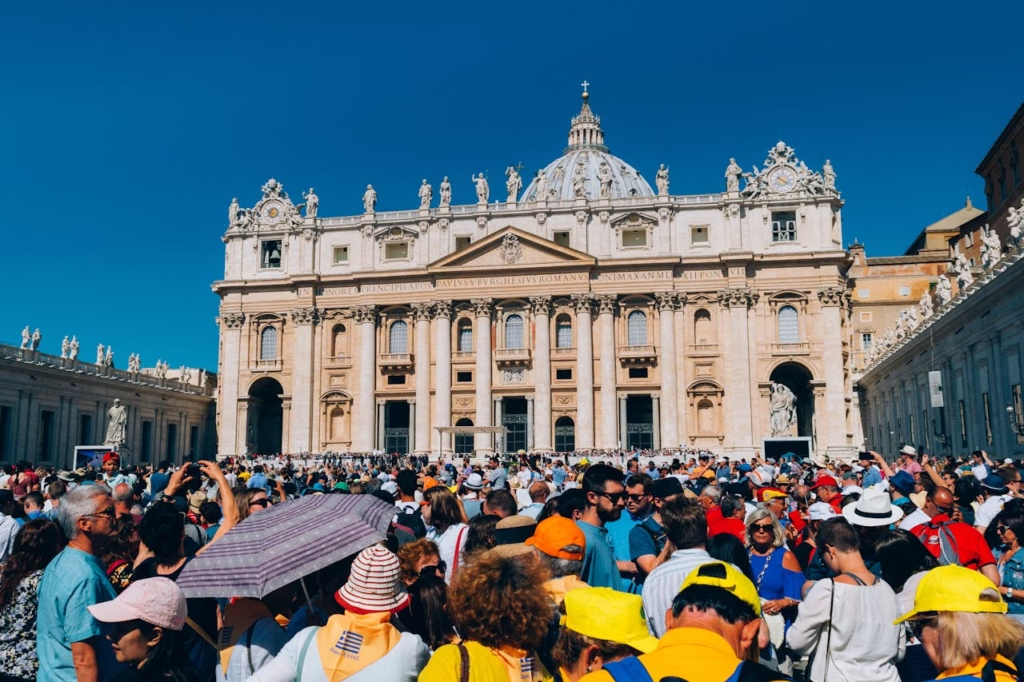
Even without tickets, you can participate in many events by standing in St Peter’s Square. For the Easter Sunday Mass and Urbi et Orbi blessing, arrive at least 3-4 hours early for a good viewing position.
Security and Dress Requirements
Vatican security measures are thorough, particularly during major celebrations. Bring a passport or official ID, as it’s required for entry to ticketed areas. Avoid large bags, which are subject to extensive security checks. Dress modestly with shoulders and knees covered, regardless of the weather. Be prepared for extended standing periods, as most public areas don’t have seating.
What to Do in Rome on Easter Sunday
What to do in Rome on Easter Sunday extends beyond the Vatican ceremonies. The city offers a wealth of experiences:
Attend Easter Mass at historic churches: Santa Maria Maggiore, San Giovanni in Laterano, and the Pantheon all hold special Easter services with exceptional music and decorations. The Pantheon offers a unique setting where natural light streams through the famous oculus.
Visit museums and monuments: The Colosseum, Roman Forum, and Capitoline Museums remain open on Easter Sunday. The Vatican Museums close, so plan museum visits for earlier in the week.
Enjoy traditional Easter lunch: Romans celebrate with elaborate meals featuring abbacchio (roast lamb), carciofi alla romana (braised artichokes), and colomba pasquale (dove-shaped Easter cake). Make reservations weeks in advance for popular restaurants.
Explore Rome’s parks: Villa Borghese, the Spanish Steps with their azalea display, and the Botanical Gardens offer peaceful retreats with spring blooms.
Easter Weekend in Rome: Things to Do
Easter weekend in Rome and things to do in Rome Easter weekend include both religious and cultural activities:
Holy Saturday: Visit the Capitoline Museums, Galleria Borghese (book ahead), or explore neighborhoods like Trastevere and Monti. Attend the evening Easter Vigil for a profound spiritual experience.
Easter Sunday: Begin with the papal Mass or choose a historic church service. Spend the afternoon visiting open monuments like the Colosseum or enjoying a traditional Easter lunch. The city takes on a festive atmosphere despite being quieter than typical tourist days.
Easter Monday (Pasquetta): Romans traditionally head outdoors for picnics at Villa Pamphili, the Appian Way, or take day trips to nearby towns like Tivoli, Ostia Antica, or the Castelli Romani villages. These areas offer special Easter Monday festivities and are popular with locals.
Rome During Easter: What’s Open and Closed
Rome during Easter operates with a mix of normal and holiday schedules:
Open: Colosseum, Roman Forum, Capitoline Museums, Galleria Borghese (reservations required), most restaurants in tourist areas, major shopping streets, public transportation (reduced Sunday schedule).
Closed: Vatican Museums (Easter Sunday and Monday), banks, post offices, many neighborhood shops on Easter Sunday.
Special hours: St Peter’s Basilica closes until around 1:00 PM on Easter Sunday due to the morning Mass. The Colosseum closes early (around noon) on Good Friday for the Via Crucis preparations.
Easter Event in Vatican City: The Final Jubilee
The Easter event in Vatican City 2026 holds special significance following the Jubilee Holy Year celebrations of 2025. The Jubilee, which began in December 2025, created an atmosphere of spiritual renewal and pilgrimage. The Holy Doors at the four papal basilicas, St Peter’s, St John Lateran, St Mary Major, and St Paul Outside the Walls, remain open for pilgrims seeking special blessings.
The convergence of Easter with the Jubilee’s conclusion adds profound meaning to the celebrations. Special exhibitions, enhanced cultural programs, and increased pilgrimage activities characterize this unique period. Even non-religious visitors will notice the heightened spiritual atmosphere throughout the city.
Easter Celebrations in Rome: Traditional Foods
Easter celebrations in Rome center significantly around traditional foods that carry symbolic meaning:
Abbacchio: Roast lamb prepared with rosemary and garlic, symbolizing sacrifice and new life. This centerpiece appears on most Easter Sunday tables.
Carciofi alla romana: Artichokes braised with mint and garlic, a Roman springtime specialty. Artichokes feature prominently in Easter menus.
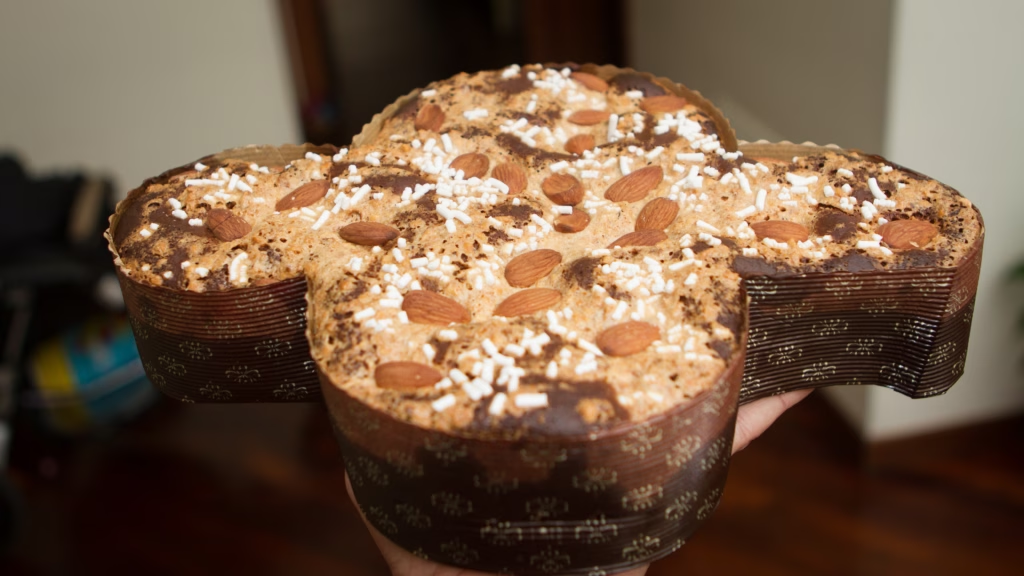
Colomba pasquale: The traditional Easter dove cake, similar to panettone but studded with candied orange peel and topped with almonds and pearl sugar.
Pizza dolce: A slightly sweet brioche-like bread flavored with citrus and anise, traditionally served at Easter morning breakfast.
Chocolate eggs: Ranging from mass-produced to artisanal creations, these often contain surprises and are especially beloved by children.
Practical Travel Tips for Easter in Rome
Book accommodation 6-8 months in advance: Easter combined with the Jubilee Year’s conclusion creates exceptionally high demand. Consider neighborhoods like Prati (near the Vatican), Monti, or Trastevere for character and convenience.
Weather and packing: April in Rome typically ranges from 10-18°C (50-65°F), but rain is possible. Pack layers, a lightweight rain jacket, and waterproof footwear. For church visits, bring modest clothing with covered shoulders and knees.
Transportation: The Metro operates on a holiday schedule with longer intervals between trains. Buses and trams run on reduced frequency. Taxis remain available but expect higher demand after major events.
Reserve restaurants: For Easter Sunday lunch, book at least one month in advance, particularly for traditional establishments serving special Easter menus.
Manage Your Luggage with Radical Storage
Managing luggage during Easter events can be challenging. Radical Storage operates throughout Rome with locations near major attractions and transportation hubs. Drop your bags at verified spots near Termini Station, the Vatican, or Trastevere before attending ceremonies or exploring the city. At €5 per day with €10,000 coverage, you can move freely through crowds and security checkpoints without worrying about your luggage. Book through the app to find the most convenient location for your needs.
FAQs
Easter Sunday falls on April 5, 2026. Holy Week begins with Palm Sunday on March 29 and concludes with Easter Monday on April 6. The most significant ceremonies occur from Holy Thursday (April 2) through Easter Sunday.
Tickets are required for seated areas but not for standing in St Peter’s Square. Request free tickets 2-3 months in advance through the Prefecture of the Papal Household or your local diocese. You can also participate without tickets by arriving early for a standing position.
Rome is busy during Holy Week, especially around the Vatican and major religious sites. However, many tourists avoid Easter weekend itself, so crowds are manageable outside of papal events. The Jubilee Year’s conclusion in 2026 may bring additional pilgrims.
April in Rome typically features mild temperatures (10-18°C/50-65°F) with possible rain. Pack layers, a rain jacket, and comfortable waterproof shoes. The weather can be variable, so prepare for both sunny and rainy conditions.
Conclusion
Easter in Rome 2026 offers an extraordinary opportunity to witness the world’s most significant Christian celebration in its spiritual home. The convergence with the final days of the Jubilee Holy Year adds profound meaning to ceremonies that have been celebrated for centuries. From the solemn Via Crucis at the Colosseum to the joyful Easter Sunday Mass in St Peter’s Square, Rome delivers an unmatched blend of faith, tradition, and cultural heritage.
Whether you come as a pilgrim seeking spiritual renewal, a cultural enthusiast drawn to living traditions, or simply a curious traveler, Rome at Easter rewards those who plan ahead and embrace the unique rhythms of Holy Week. The city’s ancient churches, magnificent art, and vibrant street life create a living connection to two millennia of Christian history, making Easter in Rome an experience that resonates long after you return home.
Related Articles
- Easter Weekend Breaks 2026: Four Days of Freedom
- Easter Markets in Europe 2026: A Complete Guide
- Girona Flower Festival 2026: Medieval Lanes Bloom for Nine Days
